Loading this page…

Loading this page…
Sailing club
The Cruising Yacht Club of South Australia is a North Haven yacht club with marina berths, hardstands, onsite slipway and maintenance facilities, sailing programs, training and waterfront hospitality. Use the separate CYCSA Marina West listing for the marina-specific profile.
About
The Cruising Yacht Club of South Australia is a North Haven yacht club with marina berths, hardstands, onsite slipway and maintenance facilities, sailing programs, training and waterfront hospitality. Use the separate CYCSA Marina West listing for the marina-specific profile.
Service area: North Haven / Port River (Adelaide metro), South Australia
Keep exploring
The Cruising Yacht Club of South Australia is a major yacht club at North Haven. Its current site promotes marina berths and hardstands, onsite slipway and maintenance facilities, waterfront dining, events, membership and a Marine Academy covering sailing, powerboating, radio, navigation and safety training. This parent listing should represent the club as a whole; marina-specific details belong in the CYCSA Marina West profile and current berth availability should be checked with the club.
The club's Marine Academy runs keelboat, dinghy, powerboat, navigation and safety courses — see Training below. You can compare it with nearby clubs on our North Haven sailing clubs page, or read our Adelaide destination guide.
CYCSA's Marine Academy is one of the most complete sailing schools in South Australia. Adults can start with Australian Sailing keelboat courses, including Start Sailing (Keelboat), or try the Discover Sailing sessions in the club's Elliott 7 keelboats. There is a Start Sailing (Dinghy) course for those who prefer smaller boats, and She Sails offers women-only keelboat courses in a relaxed, social setting.
Young sailors can join the Youth Sailing Foundation's holiday squads, which run from development through to performance levels. The academy also offers powerboat licence courses, navigation courses, safety courses, marine radio training and the International Certificate of Competence for sailors planning to charter overseas. Once you have the basics, the easiest way to keep learning is on the water: members can sign up for crewing opportunities, join Elliott 7 come-and-try sessions, and race in the Bravo Sails twilight series. Course dates and bookings are published on the club's academy calendar.
The club fronts the North Haven Boat Harbour, entered from Gulf St Vincent through a dredged and beaconed breakwater channel. The leads are easy to follow and depths suit deep keels, but the entrance is open to westerly swell and a fresh sea breeze raises steep water on the leads - standard practice is to time arrival around the afternoon sea-breeze peak in summer. Inside, the basin is fully sheltered, and the club's berths are minutes from the entrance.
For visiting sailors, the CYCSA is the natural first call on the Adelaide coast: call ahead on (08) 8248 4222 and a casual berth can usually be arranged, putting you a short walk from the bistro, showers and fuel. Provisioning is easy - Semaphore's supermarkets and main street are five minutes by car, and Port Adelaide's pubs and maritime museum ten. The cruising ground divides between the gulf's eastern shore, with its long beaches and anchorages off Glenelg and Brighton in easterly weather, and the Kangaroo Island run of about fifty miles to the Bay of Shoals and American River, a standard club cruise.
The club's own Port Vincent marina makes an ideal first-night stop across the gulf, roughly twenty-five miles away. Local quirks: the Port River dolphin pod frequently works the harbour entrance, snapper season fills the ramp car park with trailerboats, and on Friday evenings in summer the patio fills with twilight racers arguing over handicaps - visitors are welcome, and it is the fastest way to learn local conditions.
The Cruising Yacht Club of South Australia is the state's principal ocean-racing and cruising club, founded in 1977 and now counting more than 1,200 members on its waterfront site at North Haven, on the Gulf St Vincent side of the LeFevre Peninsula. Where the older Royal South Australian Yacht Squadron carries the history, the CYCSA carries the energy: its offshore fleet contests the Adelaide to Port Lincoln race and the Melbourne to Osaka, its cruising division runs an active program, and it operates South Australia's only fully accredited Australian Sailing and Royal Yachting Association training academy, with a Youth Sailing Foundation fielding development squads.
The physical plant matches the membership's ambitions. The club runs two marinas at North Haven - Marina East, the original basin, and the 73-berth Marina West, opened in 2009 for boats to 35 metres - plus a 110-berth outstation marina at Port Vincent across the gulf, giving members a ready-made cruising destination. Unusually, the club owns the freehold of both land and water at North Haven, which is why berths here are bought and sold rather than merely licensed.
The two-storey clubhouse, with the Mariners Ristorante, Admirals Bar, the Horizons function room seating 330 and an undercover patio over the marina, is one of the better yacht club buildings on the Australian coast, and it doubles as a wedding and functions venue that keeps the tills ringing outside sailing season. National awards have followed the club's administration of major regattas, and its marina income underwrites the training and youth programs in a way pure membership clubs cannot match.
The Sir Joseph Banks Group is a cluster of low islands in Spencer Gulf, off Tumby Bay on South Australia’s Eyre Peninsula. Reevesby is the largest, and the group is a conservation park with shallow banks and reefs between islands.

Legal safety equipment for recreational boats in South Australia depends on the type, size and where you operate; you must check the current SA government requirements for your vessel. Independently of legal minimums, carry a sensible set of recommended items (lifejackets, means of communication, signaling, fire protection, anchor and basic tools) and make them usable and maintained.
Explore →
Do a seasonal inspection and servicing routine that focuses on hull and antifouling, through-hulls and seacocks, rigging and sails, engine and fuel systems, electricals and batteries, safety gear and bilge systems. Tailor exact tasks to your boat type, age and where you sail in South Australia, and follow manufacturer and marine service advice for anything technical.
Explore →
Tidal streams and local wind patterns can change trip time, fuel use, helm balance and safety margins on short coastal runs — plan your departure and route to use favourable tidal flow, allow margin for wind-driven sea and gusts, and check up-to-date local tide and weather information before you go.
Explore →
A good float plan and a well-stocked emergency kit significantly improve your chances of a safe outcome when cruising remote parts of South Australia’s coastline. The float plan should give someone ashore all the information they need to find you and raise help if you don’t return; the emergency kit should allow you to stabilise the boat, care for injuries, signal for rescue and survive until help arrives.
Explore →
A practical guide for new sailors on picking the right Australian sailing club: training, boat access, racing, social fit, costs and the key questions to ask before joining.
Explore →A concise, practical introduction to the essential parts of a recreational sailing boat for beginners in Australia. Covers hull, deck, rigging, sails, steering, below-decks spaces and safety equipment, with simple explanations, common mistakes and a pre-sail checklist to help new sailors communicate and get underway.
Explore →
A practical, Australia-focused guide for planning and sailing around the Whitsunday Islands: weather and seasons, navigation and anchoring, moorings and parks, provisioning and charters, safety and common mistakes, plus checklists and next steps.
Explore →A practical guide for recreational sailors planning passages to, from or around Eden and Twofold Bay. Covers sheltered anchorages, shore facilities, local weather and tidal considerations, preparing for Bass Strait conditions and a focused equipment and safety checklist.
Explore →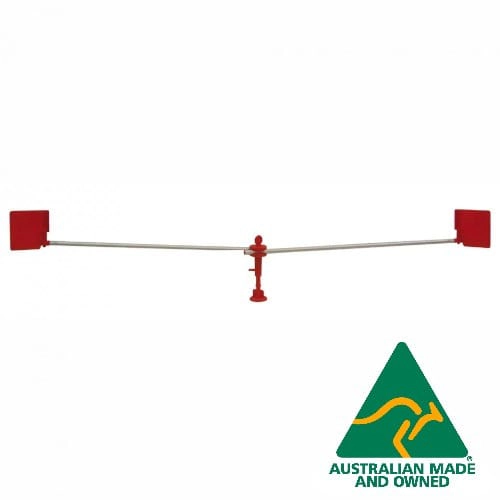
Wind-driven bird repeller with 2 metre rotating arms that keeps birds from roosting on hardtops, biminis, booms and decks. UV stabilised, with a bayonet base and a 12 month warranty.
Explore →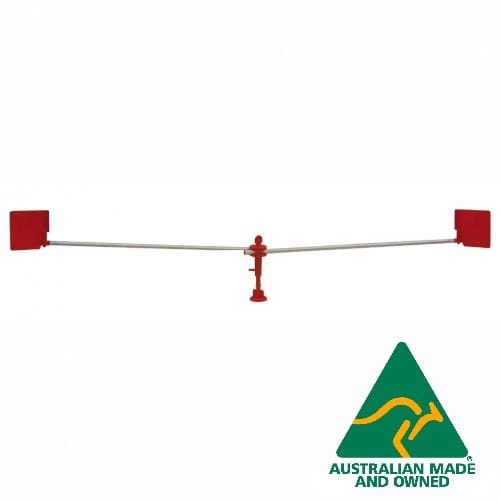
Wind-driven bird repeller with 1 metre rotating arms for smaller areas such as a boom, a solar panel or a small bimini. UV stabilised, with a bayonet base and a 12 month warranty.
Explore →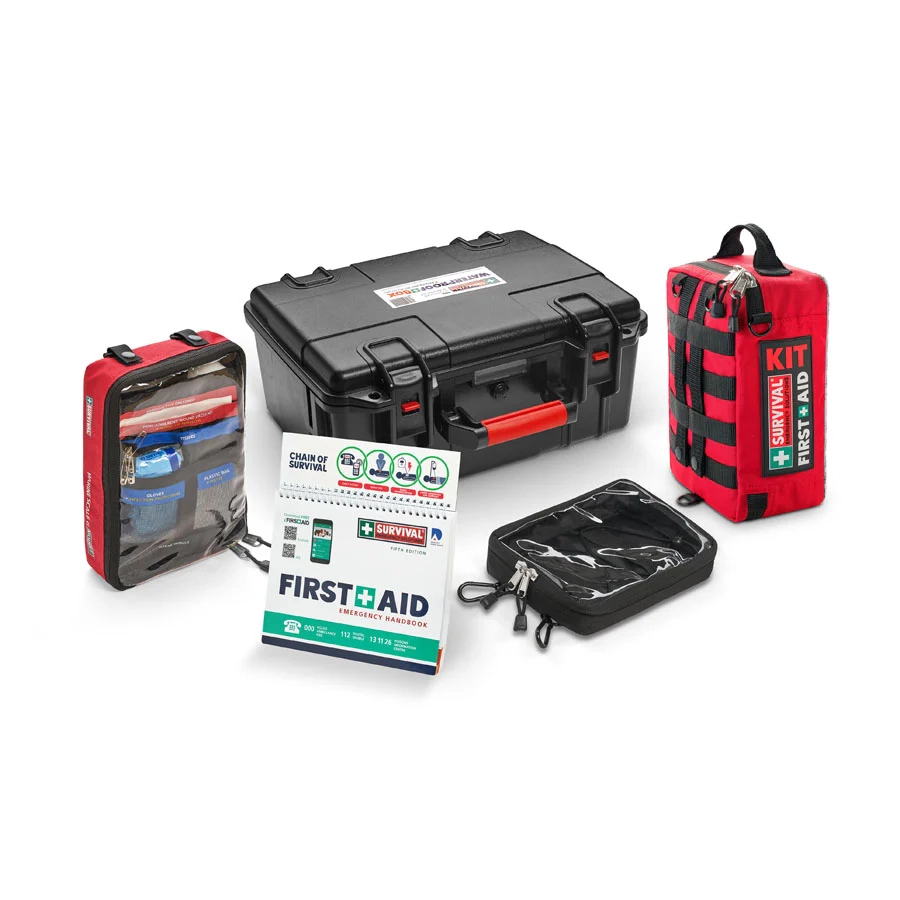
A 142-item marine first aid kit built around the Australian Scale G requirement, with a workplace kit, a Scale G module and a handbook packed in a large waterproof box.
Explore →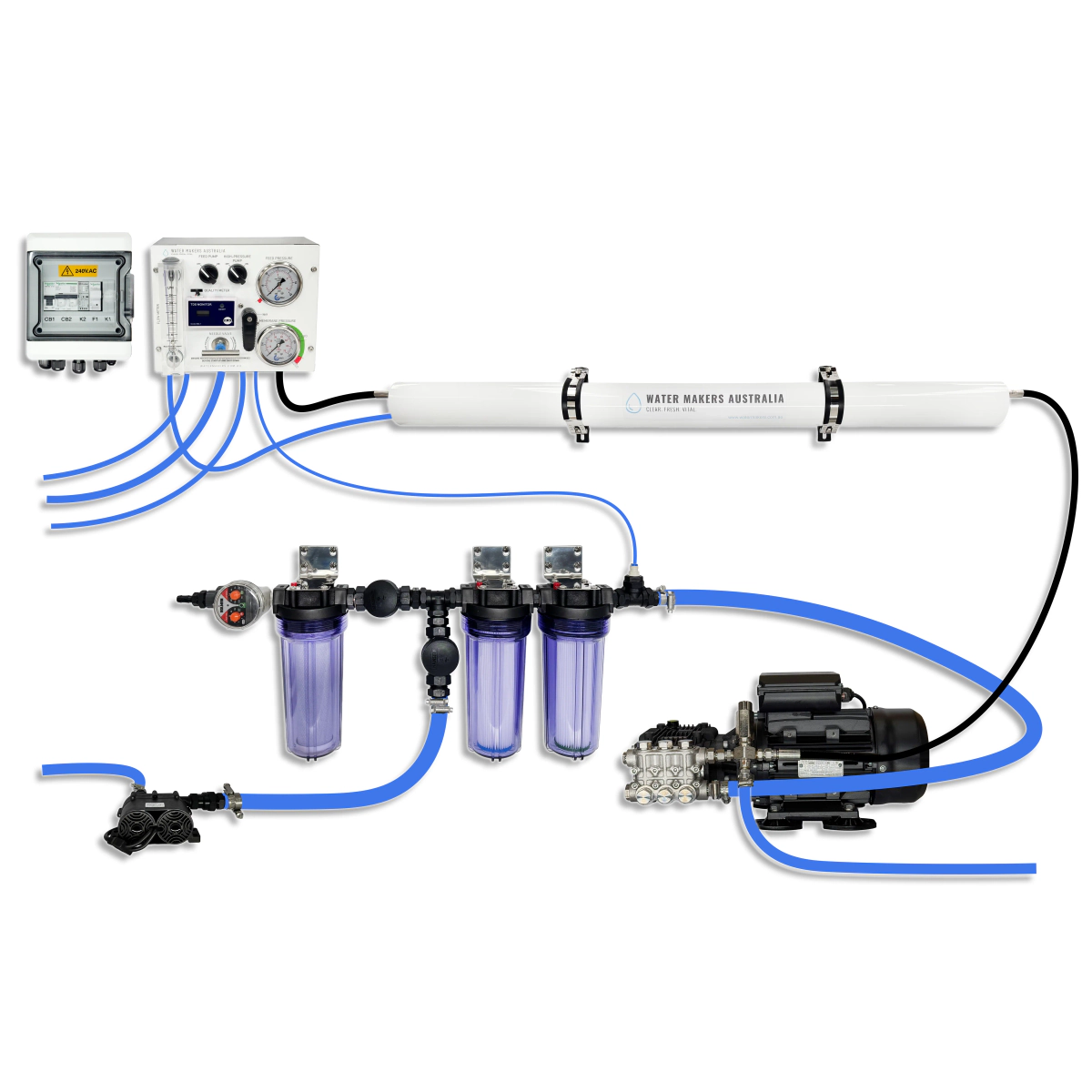
Single-membrane 240 V reverse-osmosis watermaker producing a nominal 80 L/h, built to order in Sydney for cruising boats of about 10 to 15 m with a generator or inverter.
Explore →