Loading this page…

Explore YouSailClose menu
Improve your Yacht
Sailing — Australia · Learn, explore, connect
Australia’s most complete sailing website.
From brokers, services and marinas to guides and learning resources—find what you need for life on the water.
Explore YouSail
Start with the part of sailing that matters today.
01
Marinas
Compare berths, facilities and shoreside support.
02
Marine services
Riggers, sailmakers, mechanics, surveyors and more.
03
Yacht brokers
Find specialists who understand sailing boats.
04
Learn to sail
Find sailing schools, courses and practical training.
05
Charter companies
Explore operators and the sailing fleets they manage.
The YouSail edit
What Australian sailors are reading now
Weather & tides
How Sails Work: Understanding Wind, Points of Sail and Sail Trim
A practical, Australian-focused guide explaining how sails generate drive, the points of sail, and how to trim sails for different conditions. Includes simple explanations of aerodynamic concepts, step-by-step trim checks, common mistakes and clear next steps for practice on the water.
Safety at sea
Sailing Safety for Beginners: Essential Equipment, Rules and Habits
A practical guide for new recreational sailors in Australia covering essential safety equipment, basic rules of the water, good habits, and simple checklists to help you plan safer outings.
Anchoring & berthing
Sailing the Hawkesbury River: Anchorages, Tides and Passage Planning
Practical guide for recreational sailors planning passage on the Hawkesbury River: how to plan around tides, choose anchorages, read local conditions and prepare the boat and crew for a safe, comfortable trip.
Coast to coast
Sail Australia with local context
SA · region
Adelaide
Adelaide’s metropolitan coast fronts the eastern side of Gulf St Vincent and mixes short, sheltered bay sailing around Holdfast Bay and the Patawalonga with more exposed, open-water sailing north toward Outer Harbour and along the Le Fevre Peninsula. The area suits a wide range of activity — sheltered day sails, club and trailer-sailer racing, short coastal cruising into the Fleurieu and Yorke Peninsula, and launch-and-home-port racing — but demands local knowledge about shipping channels, tidal flows in the Port River/Outer Harbour approaches, and seasonal wind patterns.
QLD · region
Airlie Beach
Comprehensive sailing guide to the Airlie Beach / Whitsundays region covering geography, conditions, anchorages, marinas, hazards, regulations, suggested experiences and who the destination suits.
WA · region
Albany
Comprehensive sailing guide for Albany, Western Australia — King George Sound, Princess Royal Harbour and surrounding waters, covering geography, seasonal conditions, anchorages, facilities, hazards, regulations and suggested sailing experiences for recreational sailors.
SA · region
Althorpe Islands
The Althorpe Islands are a compact, rugged island group off the south‑west tip of Yorke Peninsula (Investigator Strait). They’re distinctive for their high, rocky cliffs, an historic lighthouse and important seabird colonies — not a leisure‑cruising playground but a striking nature and navigation feature best approached with care. Sailing here suits experienced coastal cruisers and day‑trippers who want short passages between Yorke Peninsula and Kangaroo Island waters, nature‑watching from the water, or a passage through Investigator Strait. Landing is limited by conservation rules, exposure,s
SA · region
American River
American River (Kangaroo Island, SA) is a small, sheltered inlet and township on the north‑eastern side of Kangaroo Island that acts as a calm staging point for cruising the eastern part of the island and for short hops through Backstairs Passage. It’s distinctive for its protected anchorage inside Eastern Cove and the adjacency of Pelican Lagoon — a shallow, ecologically important lagoon with sanctuary zoning — which shapes how and where boats can move. The area suits sheltered day sailing, weekend cruising and short coastal passages; it’s appropriate for trailer sailors, small cruisers and a
Where the next passage begins
Marinas and places to berth
Compare places to berth, refuel, haul out and prepare for the next stretch of coast.
Map ready when you scroll
Marina
Kirribilli Marina
Kirribilli, NSW
Marina
Spot on Marine
East Point, NT
HH
Marina
Hope Harbour Marina
Hope Island, QLD
Marina
1770 Marina
Seventeen Seventy, QLD
Marina
35 South Marina
North Haven, SA
Marina
Abel Point Public Boat Ramp & Pontoon
Airlie Beach, QLD
Marina
Adelaide Shores Pontoons (West Beach)
West Beach, SA
Marina
Albany Emu Point Boat Harbour
Emu Point, WA
Marina
Albany Waterfront Marina
Albany, WA
Marina
Albatross Marina & Slipway
Lemon Tree Passage, NSW
Marina
American River Wharf & Moorings
American River, SA
Marina
Arno Bay Boat Harbour
Arno Bay, SA
Clubs around the country
Sailing clubs of Australia
Meet the clubs, fleets and local sailing communities that keep Australians on the water.
The YouSail newsletter
Stay connected with Australian sailing
Occasional practical guides, destinations and useful marine-directory updates from YouSail.
People of Australian sailing
Meet the brokers behind the boats

d'Albora Yacht Brokers
Adam Hickey
Sales Manager & Senior Broker · The Spit / Sydney

Flagstaff Marine
Alex Vicinanza
Director & State Manager QLD · Gold Coast / QLD

Performance Boating Sales
Andrew Collingridge
Sales Manager · Pittwater / Sydney

Multihull Central
Andrew Crawford
Catamaran Broker · Brisbane

The Yacht Sales Co
Andrew De Bruin
Senior Sales Consultant · Brisbane
Buying and selling
Australian yacht brokerages
The working waterfront
Services sailors can use now
Build confidence on the water
Learn to sail with the right school
Find practical tuition, recognised courses and local schools that can help you take the next step.
Equipment desk
Recently added sailing gear
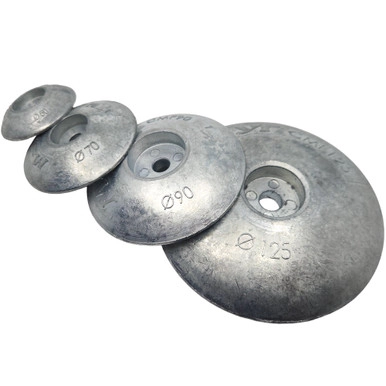
Aluminium Rudder Disc Anodes,
Imported from All Marine Spares. This draft has no editorial summary yet.
Compare places to buy →
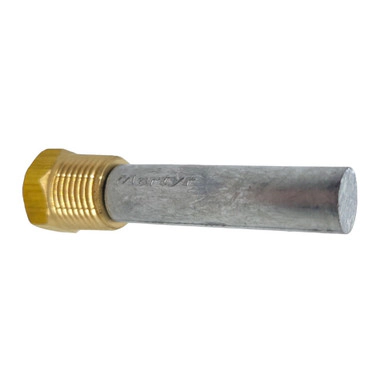
CM9-34 - 3/8 Zinc Pencil Anode With Plug,
Imported from All Marine Spares. This draft has no editorial summary yet.
Compare places to buy →
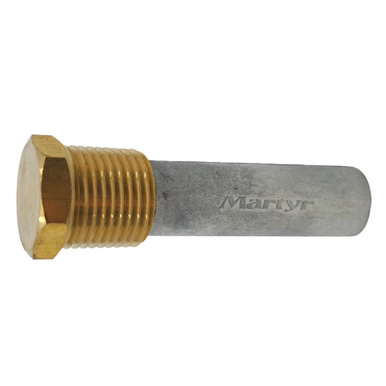
CM9-36 - 1/2 Zinc Pencil Anode With Plug,
Imported from All Marine Spares. This draft has no editorial summary yet.
Compare places to buy →
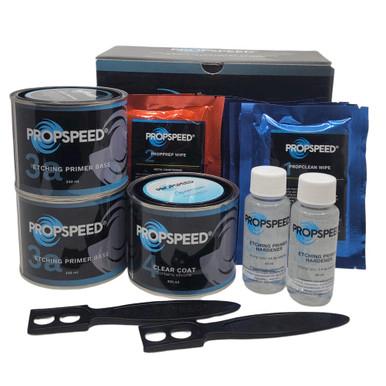
Propspeed Large Kit - 1 Litre,
Imported from All Marine Spares. This draft has no editorial summary yet.
Compare places to buy →
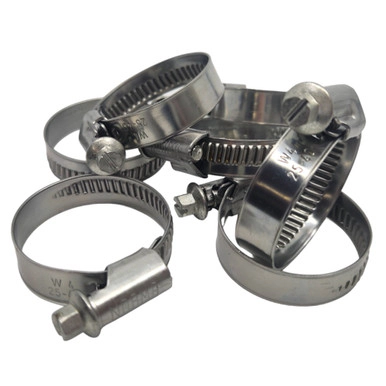
Worm Drive Stainless Steel Hose Clamp,
Imported from All Marine Spares. This draft has no editorial summary yet.
Compare places to buy →
Practical sailing desk
Tools and answers for the next decision.
Anchoring
Anchor Scope Calculator
Calculate anchor rode length from depth, bow height and scope.
Weather & Wind
Apparent Wind Calculator
Calculate apparent wind from true wind and boat movement.
Sailing Performance
Hull Speed Calculator
Estimate displacement hull speed from waterline length.
Passage Planning
Sailing ETA Calculator
Estimate passage duration and arrival from distance and speed.
Passage Planning
Nautical Distance Calculator
Turn passage distance into time, speed and daily-run figures.
Stories from the water
Watch, learn and sail further.
Practical lessons, sailing stories and ideas from around the Australian coast.
Quick answers
Questions Australian sailors ask
How should I choose and set an anchor for holding in South Australian anchorages and gulfs?
Choose an anchor type and size matched to your boat, seabed and expected conditions; set it by lowering steadily, backing down under power to bury the fluke or hook, and scope the rode to suit tidal range and wind/sea state. Regularly inspect your set and use trip lines or secondary anchors where risk of wind or current change is high.
Read the answer →What do I need to check before my first sail in South Australian waters?
Before your first sail in South Australian waters check the weather and tide, make sure the boat and safety equipment are fit for the trip, confirm local rules and any area-specific hazards, and tell someone your plan.
Read the answer →How do I prepare for and respond to a man-overboard situation on a small sailboat here?
Immediate action is to shout and point, keep the casualty in sight, assign a spotter, throw a flotation device, and manoeuvre the boat for a controlled recovery while preparing the crew and equipment for the pickup.
Read the answer →How do I choose and set an anchor in typical WA seabeds (sand, weed, mud) to prevent dragging in changing tide and wind conditions?
Choose an anchor that penetrates the seabed you expect, carry enough chain and scope, set by reversing under control until the anchor bites, then test and monitor frequently — in sand and clean mud a plough or fluke-style can work well, in weed look for clean patches or use a claw/Delta-style or dedicated weed anchor and more scope.
Read the answer →What are the typical wind and sea conditions to expect sailing around Gulf St Vincent and Adelaide waters by season?
Expect light to moderate, thermally-driven sea breezes in summer with afternoon strengthening; more changeable and often stronger winds with frontal systems in autumn and spring; and the windiest, roughest conditions in winter when cold fronts and sou’westers are most frequent. Gulf St Vincent is more sheltered than the exposed coast but can still produce steep chop and sudden changes near Adelaide and headlands.
Read the answer →What safety equipment is legally required and recommended for recreational boats in South Australia?
Legal safety equipment for recreational boats in South Australia depends on the type, size and where you operate; you must check the current SA government requirements for your vessel. Independently of legal minimums, carry a sensible set of recommended items (lifejackets, means of communication, signaling, fire protection, anchor and basic tools) and make them usable and maintained.
Read the answer →
A complete sailing resource
One place to learn, plan, find and connect.
Explore Australia’s sailing destinations, working marine businesses, boats, brokers, products and practical knowledge.