AS
Loading this page…
Loading this page…

About
ACES Gladstone provides marine electrical engineering and automation for commercial vessels, including custom design, generator synchronisation, refits, new builds, load analysis and survey-related work.
Service area: Gladstone and commercial marine projects in Central Queensland
ACES Gladstone provides marine electrical engineering and automation for commercial vessels, including custom design, generator synchronisation, refits, new builds, load analysis and survey-related work.
ACES Gladstone advertises Commercial marine electrical; automation; custom electrical design; generator synchronisation; refits; new builds; load analysis; audits; electrolysis. Its workshop, marina base or principal operating location is 2 Neil Street, Callemondah QLD 4680. The practical service coverage is Gladstone and commercial marine projects in Central Queensland. This company is retained as a commercial marine specialist.
Its normal work may involve workboats, ferries, defence vessels, offshore assets or larger yachts, so the scale and documentation can be different from a small recreational call-out. That distinction is useful in YouSail because a sailor planning a major refit or survey-compliant project may need precisely this level of engineering capability.
Marine electrical systems operate in an unusually harsh environment. Salt, vibration, heat, confined spaces and persistent moisture can expose weak connections and poor installation work quickly. A competent marine electrical job should use appropriate cable, terminals, circuit protection and mounting methods, with cables supported and labelled so future fault finding does not become a guessing exercise.
Keep exploring
Owners should expect the electrician to look beyond the failed component when there are repeated blown fuses, low voltage, unexpected battery drain or intermittent electronics. The underlying issue may be voltage drop, corrosion, undersized cabling, poor crimping, a failing battery, incorrect charging or an overloaded distribution circuit.
Generator, switchboard and automation projects add another level of complexity. Load sharing, transfer arrangements, protective devices, control wiring, alarms and monitoring need to behave predictably during faults and source changes. On commercial or larger vessels, documentation, test results and clear labelling become especially valuable for future technicians and survey work. Electrical corrosion complaints need structured diagnosis rather than guesswork.
Stray current, poor bonding, shore-power faults, damaged insulation and incorrect DC negative arrangements can all produce similar symptoms. Testing should distinguish true stray-current corrosion from normal galvanic activity before equipment or anodes are changed.
For a fault-finding job, provide the vessel make and model, battery-bank voltage, symptoms, when the problem occurs, and photographs of switchboards, batteries and equipment labels where possible. For a refit, a useful quote should identify the major equipment, cable and protection changes, whether drawings or circuit schedules will be supplied, the testing and commissioning process, and any work that requires a licensed mains-voltage electrician.
If lithium is involved, ask how alternator protection, charging profiles, battery management, emergency isolation and start-battery interaction will be handled. If navigation electronics are involved, ask whether the existing network and sensors are compatible before purchasing new displays.

Look for materials and finishes specified for seawater use (eg 316 stainless, bronze, marine aluminium), clear corrosion-resistance statements (marine‑grade, A4/316, passivated, electropolished, or suitably coated), and mechanical specs (load, thread type, fastener grade) that match marine environments and your boat’s materials.
Explore →
Plan to transit Sydney Heads and northern NSW estuary entrances to take advantage of favourable tidal streams or slack water; account for local acceleration over shoals, eddies, wind-on-current effects and river discharge, and always check the latest local observations and tide/stream products before departure.
Explore →
Plan the turn, move deliberately and in sequence, keep the boat balanced, trim sails smoothly and keep weight and rudder actions small so speed is preserved through both tacks and gybes.
Explore →
Use a sensible scope (line length), pick good ground, set the anchor with a controlled reverse to load it, and check you’re not dragging by noting fixed references and using a stern line or anchor alarm if needed.
Explore →Practical guidance for recreational sailors in New South Wales on navigating marine parks, using moorings and anchoring responsibly. Covers how to plan passages, approach moorings, set and retrieve an anchor, minimise environmental impact and follow local rules.
Explore →A practical guide for recreational sailors planning trips in Jervis Bay. Covers typical weather patterns, sheltered anchorages, common hazards, marine park considerations, anchoring techniques and sensible trip planning for day sails and short cruises.
Explore →Practical guide for recreational sailors planning passages, anchorages and visits to Ningaloo Reef and the Exmouth coast. Covers anchoring considerations, marine park rules and how local weather, tides and currents affect safety and enjoyment.
Explore →A concise, practical guide for recreational sailors in New South Wales that explains southerly busters, sea breezes and east coast lows, how they form, how they affect coastal sailing, common signs to watch for, equipment and preparation, and clear next steps to plan safer outings.
Explore →
Self-contained, battery-powered plug‑and‑play autopilot designed for standard hydraulic steering systems.
Explore →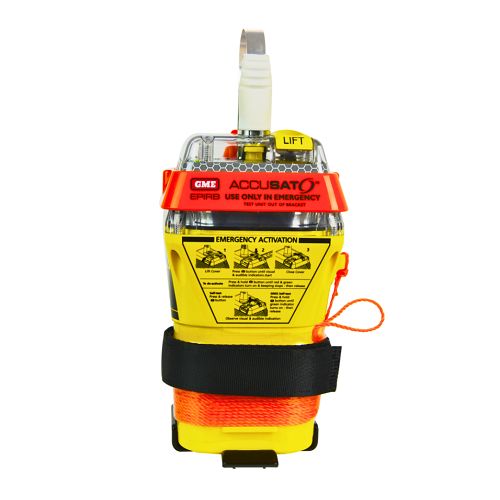
A 10‑year battery EPIRB with integrated GNSS (supports GPS and Galileo), infrared strobe and 121.5 MHz homing signal. Approved for worldwide COSPAS‑SARSAT operation.
Explore →Burke Yachtsman Gear Bag 40L - Shop Now Zip Pay | Tamar Marine Skip to content 59 – 63 Holbrook Street, Invermay Online Shop Open 24/7 Products search Contact us 1300 MARINE $ 0.00 0 Cart Burke Yachtsman Gear Bag 40L $ 79.90 Colour Choose an option Black Blue Black Blue Clear - Burke Yachtsman Gear Bag 40L quantity + Add to cart Enquire about this product SKU BAGB-Y24/BLACK* Category Bags - Sail & Gear A Burke classic and customer favourite, the Yachtsman’s Gear Bag is built tough to handle wet, salty conditions while keeping your gear dry and protected. Made from double coated waterproof…
Explore →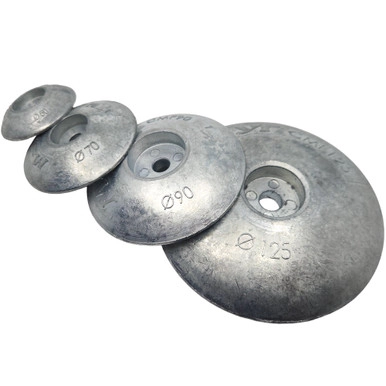
Imported from All Marine Spares. This draft has no editorial summary yet.
Explore →