3S
Loading this page…
Loading this page…

Marine electronics
About
C-Linx Marine provides onboard electrical upgrades and marine systems integration, including lithium and solar power, navigation equipment, autopilots and work supporting surveyed vessels.
Service area: New South Wales and project work by arrangement
C-Linx Marine provides onboard electrical upgrades and marine systems integration, including lithium and solar power, navigation equipment, autopilots and work supporting surveyed vessels.
C-Linx Marine advertises Marine electrical installation and upgrades; lithium batteries; solar; navigation; autopilots; system integration; survey and compliance support. Its workshop, marina base or principal operating location is Mobile service, New South Wales. The practical service coverage is New South Wales and project work by arrangement. Marine electrical or marine electronics work is a core part of this business.
Marine electrical systems operate in an unusually harsh environment. Salt, vibration, heat, confined spaces and persistent moisture can expose weak connections and poor installation work quickly. A competent marine electrical job should use appropriate cable, terminals, circuit protection and mounting methods, with cables supported and labelled so future fault finding does not become a guessing exercise.
Owners should expect the electrician to look beyond the failed component when there are repeated blown fuses, low voltage, unexpected battery drain or intermittent electronics. The underlying issue may be voltage drop, corrosion, undersized cabling, poor crimping, a failing battery, incorrect charging or an overloaded distribution circuit.
Energy-system work should start with a real load and charging assessment. Lithium batteries, high-output alternators, inverter-chargers, DC-DC chargers and solar controllers can move large currents, so cable sizing, fusing, isolation, BMS limits, alternator temperature and fault protection matter as much as battery capacity. A good upgrade should document how shore power, engine charging, solar and emergency starting interact rather than simply adding a larger battery. Electronics installation is also an electrical-system task.
Keep exploring
Marine electronics
Bird Electrical Marine Electrical, Air Conditioning and RefrigerationTerrey Hills, NSW5.0 · 1 Google review
View profileMarine electronics
Bird Electrical Marine Electrical, Air Conditioning and RefrigerationBrooklyn, NSW5.0 · 2 Google reviews
View profileChartplotters, radar, AIS, autopilot, instruments and engine gateways may share NMEA 2000, SeaTalkNG or NMEA 0183 networks and depend on clean power, correct termination and reliable data sources. A well-planned installation considers network architecture, voltage drop, antenna location, software compatibility and service access rather than treating each display as a stand-alone device.
For a fault-finding job, provide the vessel make and model, battery-bank voltage, symptoms, when the problem occurs, and photographs of switchboards, batteries and equipment labels where possible. For a refit, a useful quote should identify the major equipment, cable and protection changes, whether drawings or circuit schedules will be supplied, the testing and commissioning process, and any work that requires a licensed mains-voltage electrician.
If lithium is involved, ask how alternator protection, charging profiles, battery management, emergency isolation and start-battery interaction will be handled. If navigation electronics are involved, ask whether the existing network and sensors are compatible before purchasing new displays.

Plan to use tide and local knowledge, slow and steerable power, and deliberate positioning to work with—rather than fight—strong streams and eddies when entering or leaving Tasmanian harbours.
Explore →
Systematically compare interfaces, communication protocols and power/ground characteristics, then bench-test or simulate before final installation — confirm physical connectors, NMEA (0183, 2000) and seatalk compatibility, autopilot control inputs, data sentence requirements, and electrical load/voltage behaviour.
Explore →
Do a seasonal inspection and servicing routine that focuses on hull and antifouling, through-hulls and seacocks, rigging and sails, engine and fuel systems, electricals and batteries, safety gear and bilge systems. Tailor exact tasks to your boat type, age and where you sail in South Australia, and follow manufacturer and marine service advice for anything technical.
Explore →
Practise early, repeatable depowering (reefing and flattening), controlled sail-trim changes and deliberate, crew-led tacks/gybes so you keep heel, steerage and speed in a safe window as the Fremantle Doctor builds. Rehearse routines in sheltered water until they are second nature—clear commands, disciplined weight moves to windward and aft, and a quick, practised reef routine will prevent panicked mistakes.
Explore →Practical guide for recreational sailors navigating the Swan River and coastal waters around Perth. Covers local weather patterns, tides and currents, river navigation, launching and berthing options, safety equipment, common hazards, and step-by-step pre-departure and on-water checklists tailored to Western Australian
Explore →
Practical guide for recreational sailors in Australia on preparing for and conducting safe night passages. Covers planning, lighting, navigation tools, watch systems, crew briefings, common mistakes and simple emergency steps tailored to Australian conditions.
Explore →Practical guide for recreational sailors planning passages, anchorages and visits to Ningaloo Reef and the Exmouth coast. Covers anchoring considerations, marine park rules and how local weather, tides and currents affect safety and enjoyment.
Explore →
A practical, Australia-focused guide for planning and sailing around the Whitsunday Islands: weather and seasons, navigation and anchoring, moorings and parks, provisioning and charters, safety and common mistakes, plus checklists and next steps.
Explore →
Self-contained, battery-powered plug‑and‑play autopilot designed for standard hydraulic steering systems.
Explore →Burke Yachtsman Gear Bag 40L - Shop Now Zip Pay | Tamar Marine Skip to content 59 – 63 Holbrook Street, Invermay Online Shop Open 24/7 Products search Contact us 1300 MARINE $ 0.00 0 Cart Burke Yachtsman Gear Bag 40L $ 79.90 Colour Choose an option Black Blue Black Blue Clear - Burke Yachtsman Gear Bag 40L quantity + Add to cart Enquire about this product SKU BAGB-Y24/BLACK* Category Bags - Sail & Gear A Burke classic and customer favourite, the Yachtsman’s Gear Bag is built tough to handle wet, salty conditions while keeping your gear dry and protected. Made from double coated waterproof…
Explore →
Imported from All Marine Spares. This draft has no editorial summary yet.
Explore →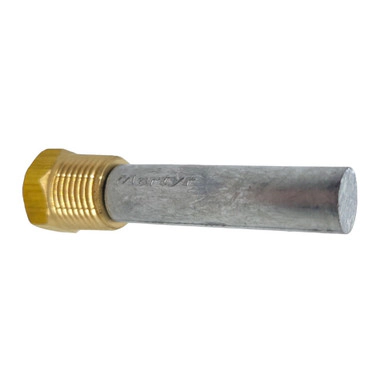
Imported from All Marine Spares. This draft has no editorial summary yet.
Explore →