Loading this page…

Loading this page…
About
LB Wire Ropes has a long history supplying wire-rope products for marine and industrial use. Although broader than recreational yachting, its capability in stainless wire, fabricated assemblies, swaging and testing is relevant where marine customers need engineered wire-rope solutions.
Service area: Sydney, New South Wales and Australia-wide commercial supply
LB Wire Ropes has a long history supplying wire-rope products for marine and industrial use. Although broader than recreational yachting, its capability in stainless wire, fabricated assemblies, swaging and testing is relevant where marine customers need engineered wire-rope solutions.
LB Wire Ropes currently offers Wire rope; stainless wire rope; custom wire assemblies; swaging; testing; marine and industrial rigging. The workshop or operating location is 3 Amax Avenue, Girraween NSW 2145, with service coverage described as Sydney, New South Wales and Australia-wide commercial supply. Current company material explicitly identifies marine or boating work in the areas of wire rope; stainless wire rope; custom wire assemblies; swaging; testing; marine and industrial rigging.
Where wire, swaging or standing rigging is involved, the work should be specified around the actual rig, terminal type and expected load rather than treated as a generic rope replacement.
The strongest reason to include this business is its access to purpose-specified rope, wire or yacht rigging equipment. A specialist rope supplier can help owners choose construction and fibre by application rather than simply buying a line that looks similar to the one being replaced. Polyester, nylon, UHMWPE and wire all behave differently under stretch, chafe, UV exposure and repeated bending.
Keep exploring
For rope or rigging enquiries, owners should provide the boat type, intended use, approximate length, current diameter, existing hardware and any preferred end treatment. Halyards, sheets, reefing lines, furling lines and mooring lines have different stretch, handling and abrasion requirements. Boat-specific work should be quoted against the actual vessel wherever possible. Dimensions, access, existing fittings, condition of mounting points and the amount of removal, repair or fabrication required can materially change the job.
For canvas and upholstery, material selection should consider UV exposure, salt, moisture, ventilation, cleaning and how the item will be stored. For rope and rigging, line construction, diameter, stretch, chafe, working load and compatibility with winches, clutches, sheaves or terminals all matter.
LB Wire Ropes is relevant to boat owners in Sydney, New South Wales and Australia-wide commercial supply.
Kenn Reef is a remote coral atoll in the Coral Sea, far off the Queensland coast. A broken reef rim and a few sand cays enclose a lagoon, and reaching it is a long open-ocean passage.

Look for materials and finishes specified for seawater use (eg 316 stainless, bronze, marine aluminium), clear corrosion-resistance statements (marine‑grade, A4/316, passivated, electropolished, or suitably coated), and mechanical specs (load, thread type, fastener grade) that match marine environments and your boat’s materials.
Explore →
Look for consistent, verifiable detail across multiple photos and reviews, check timestamps, reviewer credibility and metadata where possible, and cross‑check with independent sources — treat overly perfect images or identical language with caution.
Explore →
Check condition, compatibility and provenance: inspect cloth, seams and stitching, UV and water damage, measurements and fit to your mast/boom and fittings, and the age and repair history of sails, spars and standing/ running rigging before buying online.
Explore →
Give everyone a simple, clearly defined role (helm, main trimmer, headsail trimmer, lookout/tactician and bow/lines), use short standard calls for manoeuvres, and keep communications positive and concise so the day stays safe and relaxed.
Explore →A practical guide for recreational sailors on using VHF marine radios safely and effectively in Australian waters: basic operation, channel use, emergency procedures, DSC basics, common mistakes and a ready checklist for pre-departure and on-water use.
Explore →A practical guide for recreational sailors planning trips in Jervis Bay. Covers typical weather patterns, sheltered anchorages, common hazards, marine park considerations, anchoring techniques and sensible trip planning for day sails and short cruises.
Explore →A practical guide for recreational sailors planning voyages to Esperance and the Recherche Archipelago: what to expect, key planning considerations, common anchorages, safety and communications, equipment recommendations and sensible steps for a successful trip in this remote southern WA cruising area.
Explore →Practical guidance for recreational sailors in New South Wales on navigating marine parks, using moorings and anchoring responsibly. Covers how to plan passages, approach moorings, set and retrieve an anchor, minimise environmental impact and follow local rules.
Explore →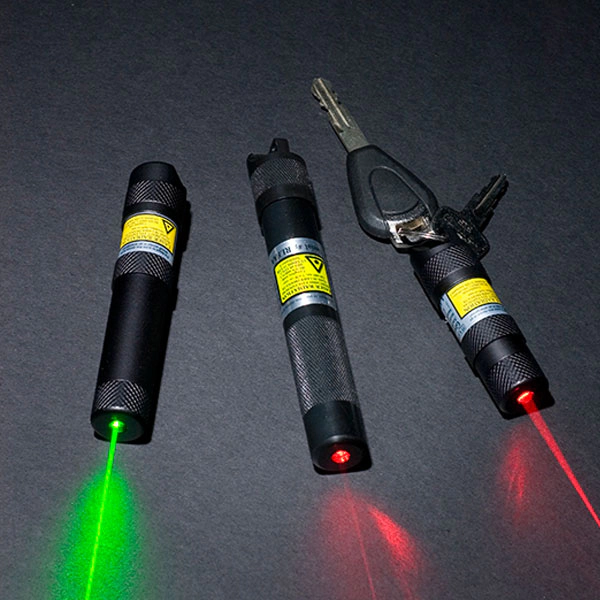
Hand-held, non-flammable laser signalling devices for day and night use, in red, green and Magnum versions, waterproof to 24 m and running for 5 to 72 hours on a battery.
Explore →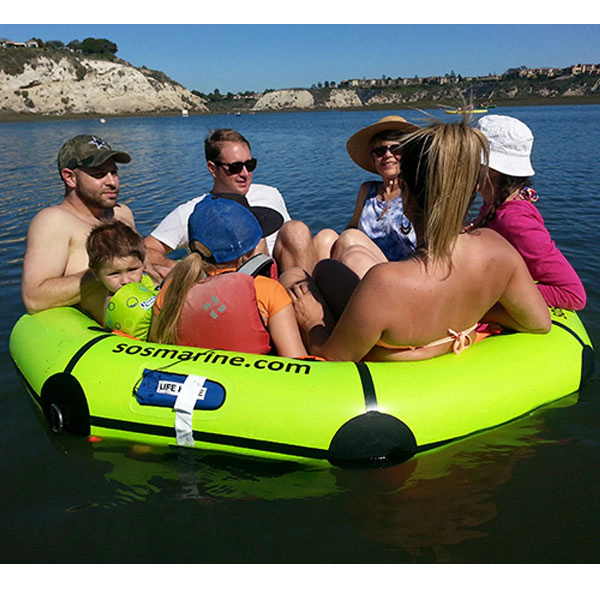
Compact four-person life raft in a valise for inshore and coastal use. It weighs 8.6 kg, packs to 520 x 340 x 170 mm and is serviced every two years.
Explore →
Push-to-talk radio that uses 4G mobile networks where there is coverage and a built-in 16-channel analog radio where there is none, with GPS and SOS. Sold as a two-pack.
Explore →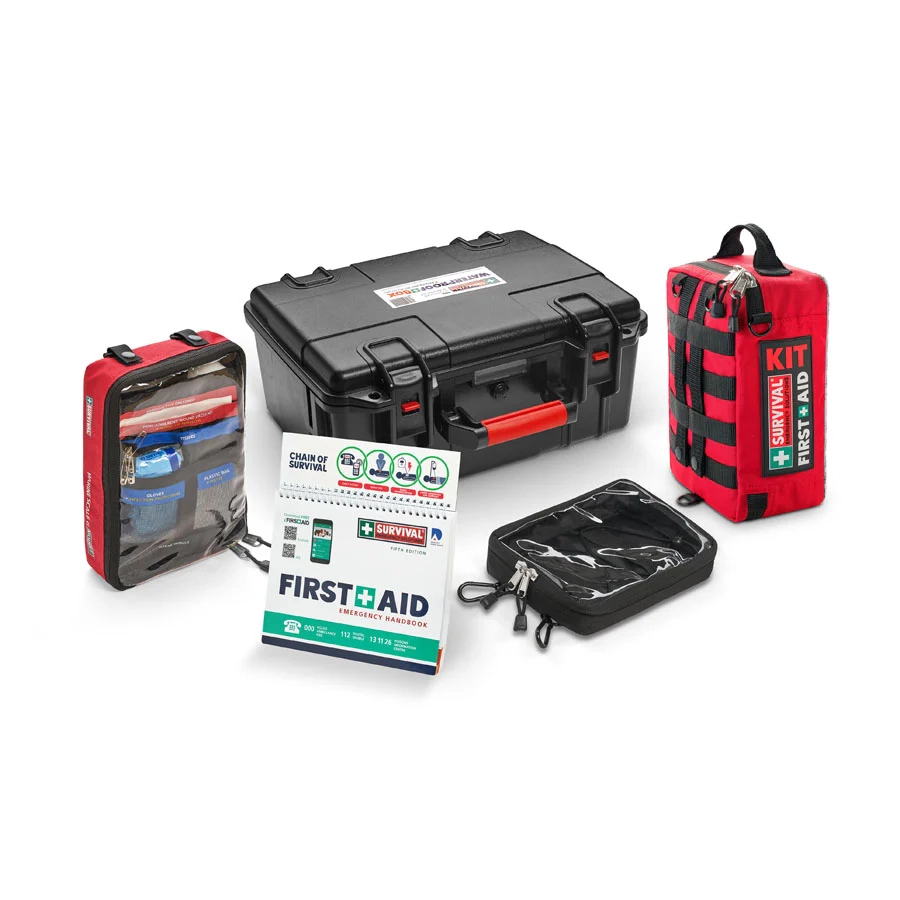
A 142-item marine first aid kit built around the Australian Scale G requirement, with a workplace kit, a Scale G module and a handbook packed in a large waterproof box.
Explore →