Loading this page…

Loading this page…
About
Leo Marine provides pre-purchase, insurance and condition surveys for boats and yachts in Adelaide and South Australia, with interstate work by arrangement.
Service area: Adelaide, North Haven, Victor Harbour, Murray River and Yorke Peninsula; interstate by arrangement
Leo Marine helps buyers and owners assess a vessel’s condition through hull, structural, mechanical and electrical inspections. Its services include pre-purchase and insurance surveys, damage and collision assessments, vessel valuations and photographic reports.
Technical options include engine compression testing, oil analysis, moisture and osmosis testing, percussion inspection and laser measurements.
The practice is based in Adelaide and lists coverage including North Haven, Victor Harbour, the Murray River and Yorke Peninsula. Interstate inspections can be discussed directly with the business.
Customer perspective
Keep exploring
★ 5.0 · 12 Google reviews
“Leo’s Marine Surveyors did a fantastic job surveying my yacht. He was punctual, professional, thorough and very easy to deal with. He explained everything clearly and gave us confidence in the process. I’d happily recommend Bill to anyone needing a marine survey”
Thank you and enjoy the rest of the refurb!
“Bill was excellent to deal with. He guided me through my first boat purchase (to fully restore) with confidence by being transparent, reliable, responsive and turned the yacht survey around very quickly. It included a detailed report with lots of photos and recommendations. On top of that Bill is easy to talk with and get straight advice from. Recommending Bill (Director of Leo Marine) is a no brainer.”
Thank you, Paul. Looking forward to seeing the boat project completion.
“Thanks very much to Bill with his services to my Penguin Striker Cruiser. Bill’s expertise in the surveyor inspection service and profession approach is just superb in all corners; his thoroughness, expertise and detailed reporting on the vessel inside and out is without question, at the highest level. A follow up inspection service was conducted and can only be commended with Bill’s follow up report 6 months following. I would not hesitate in recommending Leo Marine services.”
Thank you, Jack. Really appreciate your kind words. A diligent owner of a fine boat too!
“Bill was fantastic to deal with. I was located in Victoria so getting the survey done was important to my decision to purchase. Report is detailed and I was kept informed along the way. There were two trips required and Bill was able to also work in with the boat broker. Highly recommend.”
Thank you, Dean. No problem at all.
“I’m so glad I got Bill to help with my pre purchase. What a brilliant decision.”
Thank you, Jon! Have a great time with the boat.
Bathurst Harbour (Port Davey system), in south‑west Tasmania, is a vast, almost land‑locked estuarine harbour inside the Southwest National Park and World Heritage Area. It offers a remote, sheltered anchoring environment protected from the Roaring Forties, but demands careful planning, an awareness of marine‑reserve rules, and a willingness to operate in shallow, tannin‑stained waters. Best suited to experienced coastal cruisers and small expedition yachts prepared for self‑sufficiency, Bathurst Harbour is more a place to linger and explore on foot and by tender than a port of call for busy,

Legal safety equipment for recreational boats in South Australia depends on the type, size and where you operate; you must check the current SA government requirements for your vessel. Independently of legal minimums, carry a sensible set of recommended items (lifejackets, means of communication, signaling, fire protection, anchor and basic tools) and make them usable and maintained.
Explore →
Do a seasonal inspection and servicing routine that focuses on hull and antifouling, through-hulls and seacocks, rigging and sails, engine and fuel systems, electricals and batteries, safety gear and bilge systems. Tailor exact tasks to your boat type, age and where you sail in South Australia, and follow manufacturer and marine service advice for anything technical.
Explore →
Tidal streams and local wind patterns can change trip time, fuel use, helm balance and safety margins on short coastal runs — plan your departure and route to use favourable tidal flow, allow margin for wind-driven sea and gusts, and check up-to-date local tide and weather information before you go.
Explore →
Expect very different seasonal systems across Western Australia: the south‑west (Perth to Albany) has a strong summer afternoon sea breeze (the “Fremantle Doctor”) and winter westerly fronts, while northern WA follows a wet/dry monsoonal cycle with strong seasonal onshore winds, thunderstorms and cyclone risk in the wet season. Local headlands, estuaries and tidal flows often change what you actually feel on the water, so learn the local timing and sheltered venues first.
Explore →A practical guide for recreational sailors on using VHF marine radios safely and effectively in Australian waters: basic operation, channel use, emergency procedures, DSC basics, common mistakes and a ready checklist for pre-departure and on-water use.
Explore →Practical guidance for recreational sailors planning to cross coastal bars in New South Wales. Explains how to assess conditions, plan a crossing, prepare equipment and crew, recognise hazards and manage emergencies, with checklists and realistic examples relevant to NSW waters.
Explore →A practical guide to preparing, planning and executing a recreational offshore passage along the New South Wales coast. Covers route selection, weather and tidal considerations, vessel and crew checks, safety equipment, communication, watchkeeping and common mistakes, with clear pre‑departure and underway checklists.
Explore →
A practical guide for recreational sailors in Australia explaining how tides and currents work, how tidal gates (entrance bars, harbour gates and man-made locks) affect navigation, and how to plan passages and manoeuvres safely around tidal influences.
Explore →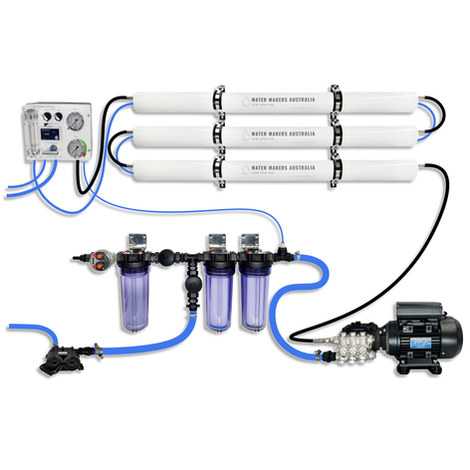
A three-membrane modular watermaker with 200 L/h nominal output and up to 240 L/h family-level marketing, for larger crews and heavy use.
Explore →
Self-contained, battery-powered plug‑and‑play autopilot designed for standard hydraulic steering systems.
Explore →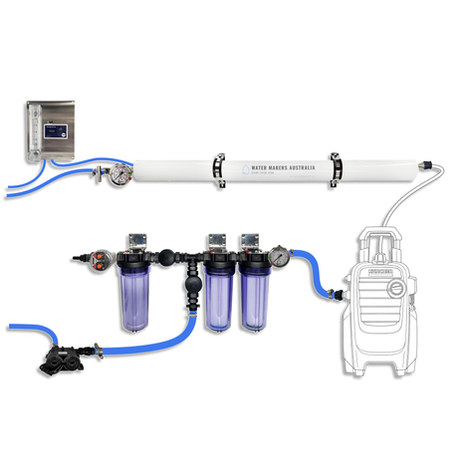
A one-membrane modular marine watermaker with 80 L/h nominal output, remote stainless control panel, standard consumables and direct Australian support.
Explore →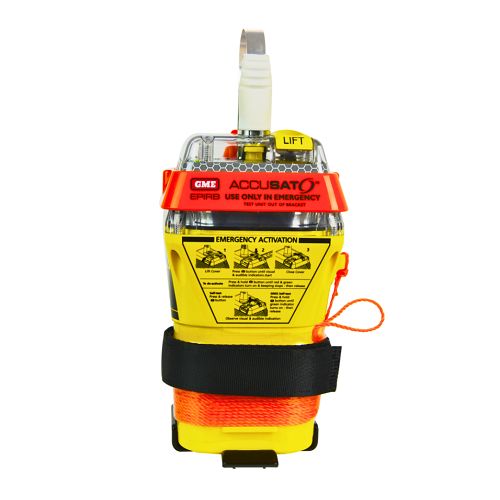
A 10‑year battery EPIRB with integrated GNSS (supports GPS and Galileo), infrared strobe and 121.5 MHz homing signal. Approved for worldwide COSPAS‑SARSAT operation.
Explore →