Loading this page…

Loading this page…
Other marine service
About
Mandurah Canvas has operated since 1982 and offers a broad marine-trimming range from exterior canopies and clears to upholstery, carpet and roof linings. Its long local presence makes it a useful directory entry for the sizeable Peel boating community.
Service area: Mandurah, Peel Region and Western Australia
Mandurah Canvas has operated since 1982 and offers a broad marine-trimming range from exterior canopies and clears to upholstery, carpet and roof linings. Its long local presence makes it a useful directory entry for the sizeable Peel boating community.
Mandurah Canvas currently offers Boat canopies; biminis; clears; covers; upholstery; carpet; roof linings; custom canvas. The workshop or operating location is 2 Rafferty Close, Mandurah WA 6210, with service coverage described as Mandurah, Peel Region and Western Australia. Current company material explicitly identifies marine or boating work in the areas of boat canopies; biminis; clears; covers; upholstery; carpet; roof linings; custom canvas.
Biminis, canopies and spray dodgers need to be patterned around helm visibility, boom clearance, winches, sheet leads and normal movement through the cockpit. Clear panels and enclosures are most successful when the layout balances visibility, ventilation and weather protection while avoiding folds or contact points that can scratch the clear material. Marine upholstery should be considered as a system of covering, thread, foam, backing and drainage; replacing only the visible vinyl can leave old waterlogged or collapsed foam underneath.
Marine carpet or flooring work can also be coordinated with removable panels, locker access and drainage so the refit remains practical rather than simply cosmetic.
Keep exploring
Other marine service
Department of Transport and Major InfrastructureFremantle, WA2.7 · 7 Google reviews
View profileMarine canvas, upholstery, boat covers, yacht rigging or related work is central to the business rather than a minor side service. Owners can approach the company with a boat-specific job and expect the project to be assessed in the context of marine exposure, onboard use and vessel layout.
For trimming work, photographs are useful for an initial conversation, but custom canvas and upholstery normally need accurate measurement or patterning on the actual boat. The quote should identify the fabric or vinyl, thread, clear material, foam where relevant, zippers, fasteners, frame work and whether removal and installation are included. Boat-specific work should be quoted against the actual vessel wherever possible.
Dimensions, access, existing fittings, condition of mounting points and the amount of removal, repair or fabrication required can materially change the job. For canvas and upholstery, material selection should consider UV exposure, salt, moisture, ventilation, cleaning and how the item will be stored. For rope and rigging, line construction, diameter, stretch, chafe, working load and compatibility with winches, clutches, sheaves or terminals all matter.
Mandurah Canvas is relevant to boat owners in Mandurah, Peel Region and Western Australia.
Queenscliff is a harbour town on the Bellarine Peninsula at the entrance to Port Phillip. It sits just inside the Heads and the Rip, making it the usual place to wait for the tide before heading out to Bass Strait.

Open the BOM marine forecast and warnings for your specific boating area, check recent observations and gusts, scan radar/lightning for developing cells, and match forecast timing to your planned afternoon so you can reef early or delay if a shift, gusty change or thunderstorm is likely.
Explore →
Look for consistent, verifiable detail across multiple photos and reviews, check timestamps, reviewer credibility and metadata where possible, and cross‑check with independent sources — treat overly perfect images or identical language with caution.
Explore →
Check a reliable marine forecast (wind, swell, rainfall, visibility), compare it with your boat, crew skill and local hazards, and postpone if conditions exceed your or your boat’s comfortable limits.
Explore →
Follow the basic COLREGs: keep a proper lookout, maintain safe speed and steering to avoid collisions, know which vessel ‘gives way’ and which ‘stands on’, use correct lights and sound signals, and keep clear of restricted waters and traffic lanes. Check local harbour rules and AMSA guidance for specifics.
Explore →A practical guide for recreational sailors planning voyages to Esperance and the Recherche Archipelago: what to expect, key planning considerations, common anchorages, safety and communications, equipment recommendations and sensible steps for a successful trip in this remote southern WA cruising area.
Explore →Practical guide for recreational sailors planning passages, anchorages and visits to Ningaloo Reef and the Exmouth coast. Covers anchoring considerations, marine park rules and how local weather, tides and currents affect safety and enjoyment.
Explore →A practical guide for recreational sailors planning passages to, from or around Eden and Twofold Bay. Covers sheltered anchorages, shore facilities, local weather and tidal considerations, preparing for Bass Strait conditions and a focused equipment and safety checklist.
Explore →Practical guide for recreational sailors planning passage on the Hawkesbury River: how to plan around tides, choose anchorages, read local conditions and prepare the boat and crew for a safe, comfortable trip.
Explore →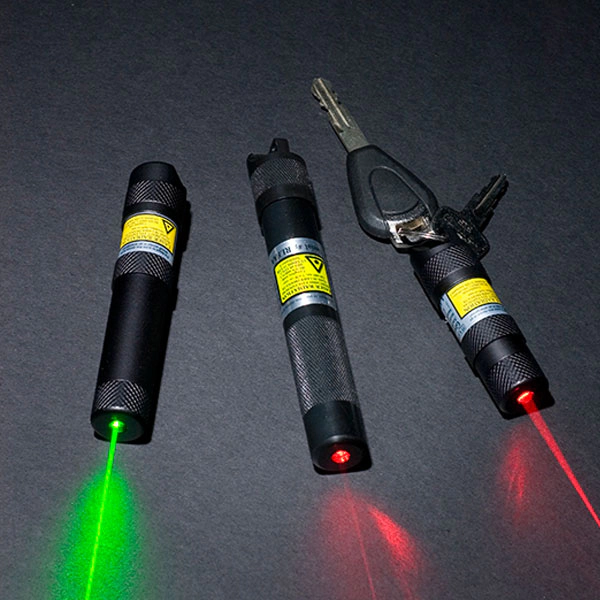
Hand-held, non-flammable laser signalling devices for day and night use, in red, green and Magnum versions, waterproof to 24 m and running for 5 to 72 hours on a battery.
Explore →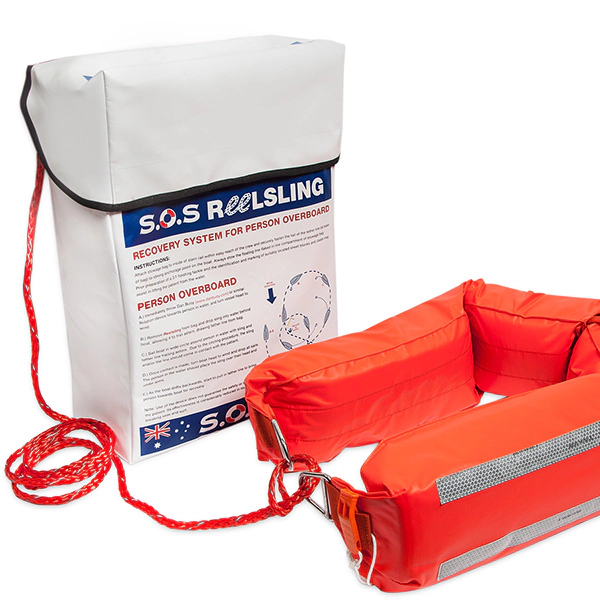
Man-overboard recovery sling with 50 m of floating reflective line. You trail it astern to make contact, then use it to pull the person back and lift them aboard.
Explore →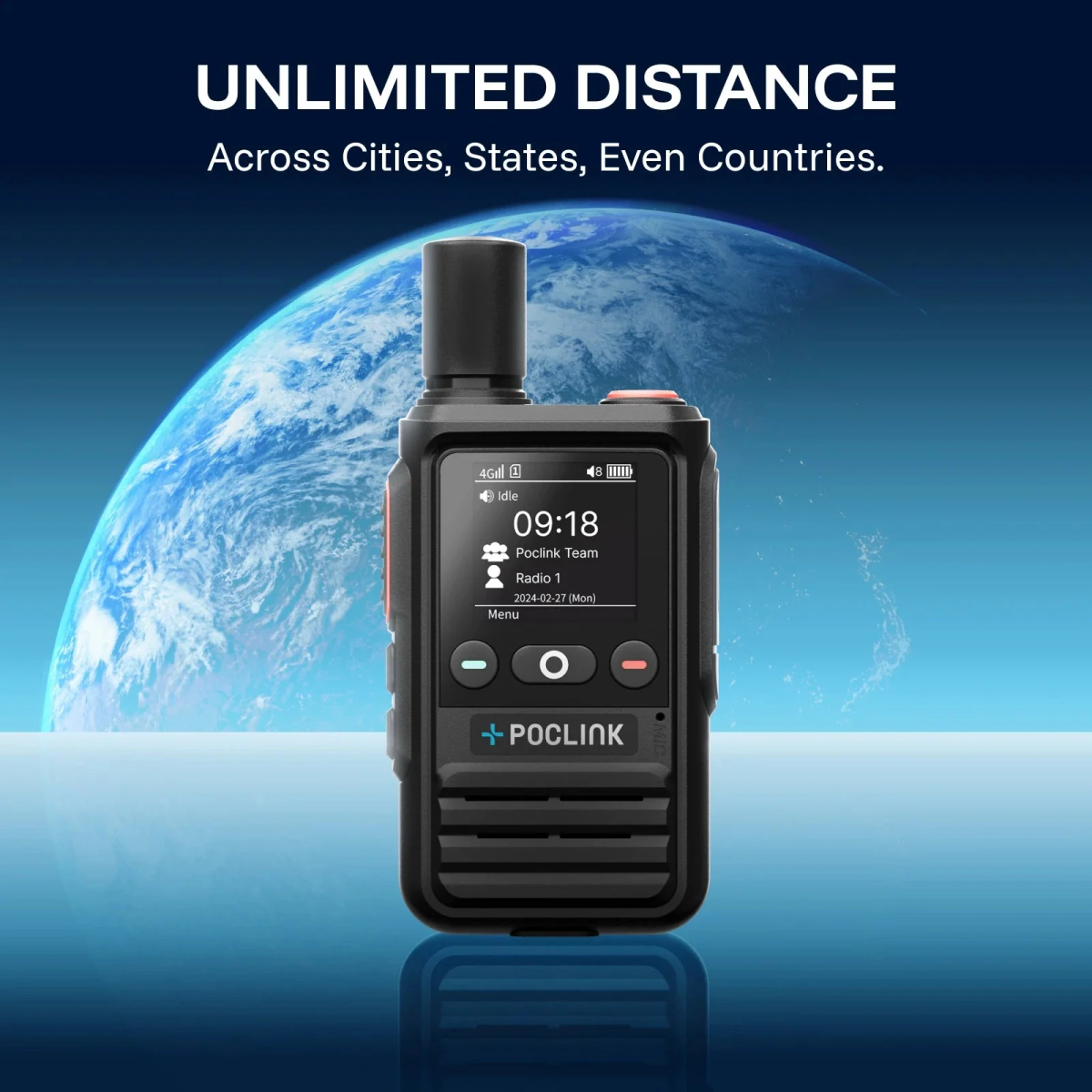
The entry-level Poclink push-to-talk radio: 4G mobile network only, three years of service included, sold as a two-pack for half the price of the Pro and Ultra.
Explore →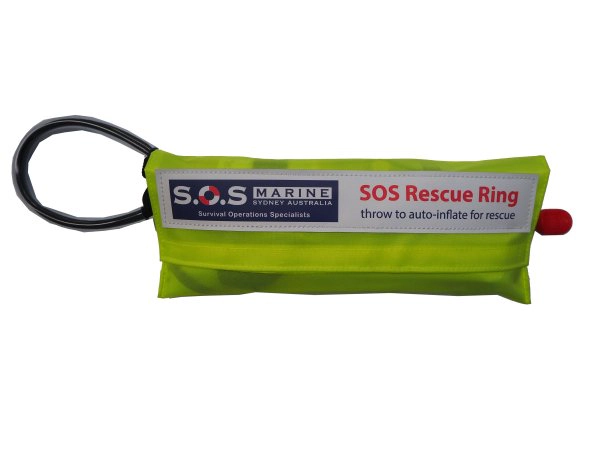
Compact throwable flotation ring that inflates automatically when it reaches the water. It packs to 300 x 120 mm and weighs about 590 g with its CO2 cylinder.
Explore →