Loading this page…

Loading this page…
Safety equipment
About
South Australian office of MARSAFE Marine Survival Solutions (AMI Group), in Port Adelaide. Liferaft sales, hire and certified servicing, lifejacket servicing and ACR EPIRB and SART battery replacement for recreational and commercial vessels.
Service area: South Australia
MARSAFE Marine Survival Solutions is a service and supply agent for most major brands of lifejacket and liferaft, covering both recreational boats and commercial and offshore vessels. This Port Adelaide office sits in the heart of Adelaide's working port. MARSAFE is part of the AMI Group, which also runs the watermaker distributor AMI Sales.
Keysborough, VIC and Ormeau, QLD, plus a liferaft drop-off point in Cairns.
Keep exploring
12 Brock Street, Port Adelaide SA 5015 · (08) 8249 3200 · marsafe.com.au
See more safety equipment specialists, or read our FAQ on safety equipment required in South Australia.
Last checked: September 2026.

Yes — South Australian coastal waters include marine parks, aquatic reserves, harbour bylaws and local council restrictions that can affect anchoring, fishing, mooring and access; check the relevant state agencies, local councils and Notices to Mariners for location-specific rules and permit requirements.
Explore →
Legal safety equipment for recreational boats in South Australia depends on the type, size and where you operate; you must check the current SA government requirements for your vessel. Independently of legal minimums, carry a sensible set of recommended items (lifejackets, means of communication, signaling, fire protection, anchor and basic tools) and make them usable and maintained.
Explore →
Before your first sail in South Australian waters check the weather and tide, make sure the boat and safety equipment are fit for the trip, confirm local rules and any area-specific hazards, and tell someone your plan.
Explore →
Choose an anchor type and size matched to your boat, seabed and expected conditions; set it by lowering steadily, backing down under power to bury the fluke or hook, and scope the rode to suit tidal range and wind/sea state. Regularly inspect your set and use trip lines or secondary anchors where risk of wind or current change is high.
Explore →A practical guide for recreational sailors on using VHF marine radios safely and effectively in Australian waters: basic operation, channel use, emergency procedures, DSC basics, common mistakes and a ready checklist for pre-departure and on-water use.
Explore →Practical guidance for recreational sailors planning coastal and remote cruising in Western Australia, focusing on tidal planning, reef awareness, navigation and safety preparation tailored to local conditions.
Explore →Practical guidance for recreational sailors in New South Wales on navigating marine parks, using moorings and anchoring responsibly. Covers how to plan passages, approach moorings, set and retrieve an anchor, minimise environmental impact and follow local rules.
Explore →
A practical guide to understanding Australian marine weather forecasts, translating forecast language into safe sailing decisions, checking key products and observations, recognising limitations, and practising the skills ashore and afloat.
Explore →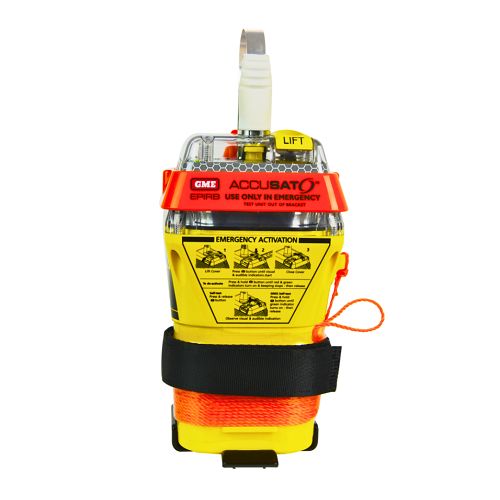
A 10‑year battery EPIRB with integrated GNSS (supports GPS and Galileo), infrared strobe and 121.5 MHz homing signal. Approved for worldwide COSPAS‑SARSAT operation.
Explore →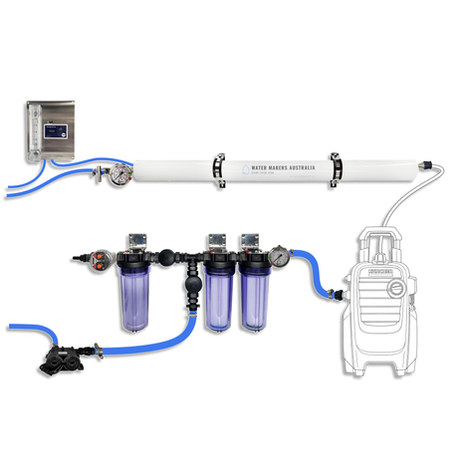
A one-membrane modular marine watermaker with 80 L/h nominal output, remote stainless control panel, standard consumables and direct Australian support.
Explore →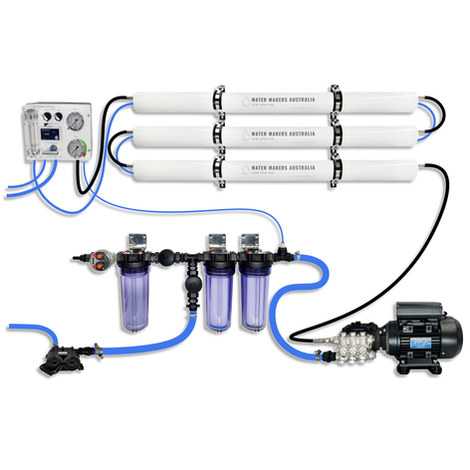
A three-membrane modular watermaker with 200 L/h nominal output and up to 240 L/h family-level marketing, for larger crews and heavy use.
Explore →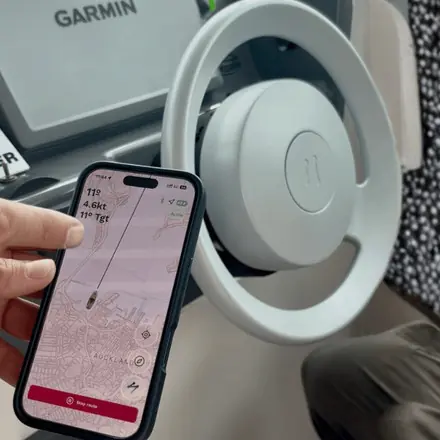
Self-contained, battery-powered plug‑and‑play autopilot designed for standard hydraulic steering systems.
Explore →