Loading this page…

Loading this page…
Marine electronics
About
Newport Marine Electrical provides marine electrical work for pleasure and commercial vessels, with services ranging from charging systems and switchboards to pumps, thrusters, refrigeration and navigation electronics.
Service area: Pittwater, Northern Beaches and Sydney
Newport Marine Electrical provides marine electrical work for pleasure and commercial vessels, with services ranging from charging systems and switchboards to pumps, thrusters, refrigeration and navigation electronics.
It is a practical option when you want the boat’s power, wiring and onboard technology approached as one connected system.
NEWPORT MARINE ELECTRICAL's published service information covers Electrical fault finding, inverter and charging systems, batteries, switchboards, lighting, pumps, refrigeration, electronics, winches, thrusters, solar and wind. That mix makes the business relevant for both fault-finding and planned upgrades, from sorting an unreliable circuit to modernising a larger onboard system.
Owners can discuss the boat, the equipment already aboard and the outcome they want before settling on the right repair, replacement or upgrade.
Keep exploring
Marine electronics
Ocean Phase Marine Electrical SolutionsMona Vale, NSW5.0 · 10 Google reviews
View profileAsk which equipment the team currently supplies and supports, especially when compatibility with an existing display, network, battery bank or charging setup matters.
NEWPORT MARINE ELECTRICAL works across Pittwater, Northern Beaches and Sydney. Its listed base is 46 Prince Alfred Parade, Newport NSW 2106, Australia, which is handy context when arranging workshop work, a marina visit or mobile attendance.
Bermagui is a compact south‑coast fishing port and coastal village on New South Wales’ Sapphire Coast. It’s best known to sailors for its working harbour, access to productive offshore grounds and a reachable string of sheltered bays and beaches. The sailing here mixes short coastal passages, inshore cruising and sheltered daysails rather than long ocean passages; it suits trailer‑able keelboats, motor cruisers and small offshore yachts. Expect a destination where commercial fishing activity and changing swell patterns shape anchorages and arrival choices — preparation and local knowledge pay.

Pack sun protection and lightweight, quick-drying layers for summer; insulation, waterproof outer layers and warm accessories for winter — plus basic safety and comfort gear for both seasons.
Explore →
Write a one‑page plan with the who/what/when/where/how of your trip, keep a copy on board and leave the main copy with a responsible person ashore (and optionally with your club, marina office or local volunteer rescue service).
Explore →
Taking pets between Australian states and into marinas or national parks is governed by state and territory biosecurity/quarantine rules, local council and marina policies, and the management rules of parks. Requirements vary by jurisdiction and by the species of animal, so check the relevant state/territory biosecurity office, the park management agency and the marina operator before you travel.
Explore →
Look for a friendly club with beginner-focused training, accessible facilities and boats, a supportive community, clear safety practices, and opportunities to progress at your own pace.
Explore →
Practical guide for recreational sailors in Australia on preparing for and conducting safe night passages. Covers planning, lighting, navigation tools, watch systems, crew briefings, common mistakes and simple emergency steps tailored to Australian conditions.
Explore →Practical guide for recreational sailors planning passages, anchorages and visits to Ningaloo Reef and the Exmouth coast. Covers anchoring considerations, marine park rules and how local weather, tides and currents affect safety and enjoyment.
Explore →
A practical guide for recreational sailors in Australia explaining how tides and currents work, how tidal gates (entrance bars, harbour gates and man-made locks) affect navigation, and how to plan passages and manoeuvres safely around tidal influences.
Explore →A practical guide for recreational sailors planning passages to, from or around Eden and Twofold Bay. Covers sheltered anchorages, shore facilities, local weather and tidal considerations, preparing for Bass Strait conditions and a focused equipment and safety checklist.
Explore →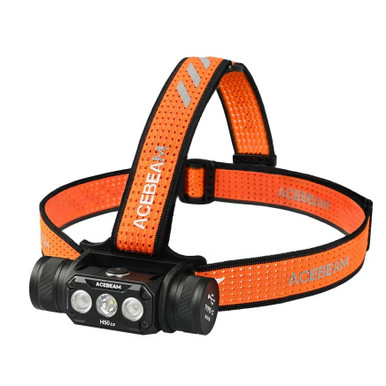
A 2000 lumen headlamp with spot and flood beams, rated IP68 and submersible to 2 metres, with a 141 metre beam and up to 30 hours on low.
Explore →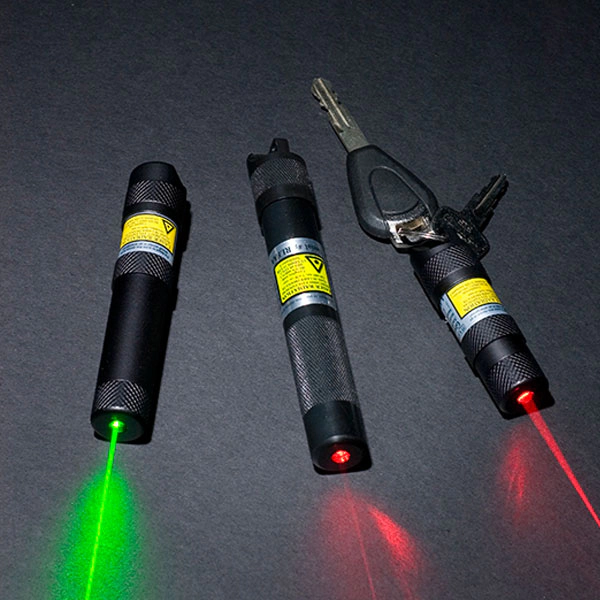
Hand-held, non-flammable laser signalling devices for day and night use, in red, green and Magnum versions, waterproof to 24 m and running for 5 to 72 hours on a battery.
Explore →
Peel-and-stick automatic fire suppressor for enclosed spaces up to 0.3 cubic metres, such as battery and electrical compartments. It activates at about 170 degrees Celsius with no power or wiring.
Explore →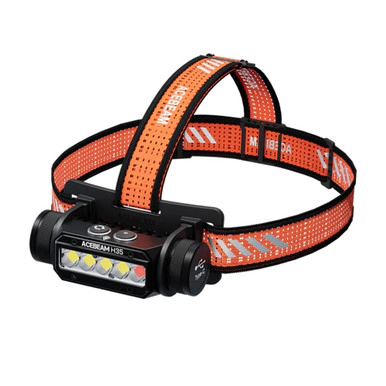
A 2600 lumen wide-beam headlamp with a red light, rated IP68 and submersible to 2 metres, with a 170 metre beam and USB-C charging.
Explore →