Loading this page…

Loading this page…
About
Rope Central is a Sydney rope supplier carrying marine and yachting cordage as part of a broad rope catalogue. It is useful for owners sourcing replacement lines, mooring rope or general-purpose cordage where material, diameter and construction can be selected to suit the job.
Service area: Sydney and Australia-wide online supply
Rope Central is a Sydney rope supplier carrying marine and yachting cordage as part of a broad rope catalogue. It is useful for owners sourcing replacement lines, mooring rope or general-purpose cordage where material, diameter and construction can be selected to suit the job.
Rope Central currently offers Marine rope; yachting rope; mooring rope; general cordage; rope accessories; rope by the metre. The workshop or operating location is Unit 7, 1-13 Childs Road, Chipping Norton NSW 2170, with service coverage described as Sydney and Australia-wide online supply. Current company material explicitly identifies marine or boating work in the areas of marine rope; yachting rope; mooring rope; general cordage; rope accessories; rope by the metre.
Mooring and pen-line work needs enough strength, elasticity and chafe protection for the berth and local exposure, so finished assemblies should be selected around the vessel rather than diameter alone.
The strongest reason to include this business is its access to purpose-specified rope, wire or yacht rigging equipment. A specialist rope supplier can help owners choose construction and fibre by application rather than simply buying a line that looks similar to the one being replaced. Polyester, nylon, UHMWPE and wire all behave differently under stretch, chafe, UV exposure and repeated bending.
Keep exploring
For rope or rigging enquiries, owners should provide the boat type, intended use, approximate length, current diameter, existing hardware and any preferred end treatment. Halyards, sheets, reefing lines, furling lines and mooring lines have different stretch, handling and abrasion requirements. Boat-specific work should be quoted against the actual vessel wherever possible. Dimensions, access, existing fittings, condition of mounting points and the amount of removal, repair or fabrication required can materially change the job.
For canvas and upholstery, material selection should consider UV exposure, salt, moisture, ventilation, cleaning and how the item will be stored. For rope and rigging, line construction, diameter, stretch, chafe, working load and compatibility with winches, clutches, sheaves or terminals all matter.
Rope Central is relevant to boat owners in Sydney and Australia-wide online supply.
Mud Islands is a group of low sand and saltmarsh islands in the southern part of Port Phillip, Victoria, north of Sorrento and Portsea. Part of the Port Phillip Heads Marine National Park, it is surrounded by shallows and important for seabirds.

Plan to transit Sydney Heads and northern NSW estuary entrances to take advantage of favourable tidal streams or slack water; account for local acceleration over shoals, eddies, wind-on-current effects and river discharge, and always check the latest local observations and tide/stream products before departure.
Explore →
Before the season: confirm seaworthiness — hull, rig, engine, electrics, sails and safety gear — and replace or service wearable items. After the season: wash, dry and protect gear, service consumables and record what you did so the boat’s ready and reliable next season.
Explore →
Expect the usual IALA-B lateral system (red and green), cardinal and isolated-danger marks, safe-water and special marks, plus harbour-specific fairway buoys, leading/transit marks and exclusion or speed‑limit buoys. Check local harbour charts and Notices to Mariners for exact positions and light characteristics before entry.
Explore →
Usually not for a small sailing dinghy. In NSW a boat driving licence is needed only to drive at 10 knots or more, or to drive a personal watercraft, and a vessel must be registered if it has an engine of 4 kW or more, is 5.5 m or longer, or needs a mooring licence or marina berth. A trailer towed on public roads needs its own registration.
Explore →A practical, step‑by‑step guide for recreational sailors on Sydney Harbour covering navigation, local weather and tides, safe anchoring, berthing, common routes, rules of the road, and useful checklists tailored to Australian conditions.
Explore →Practical, safety-focused cruising guidance for recreational sailors planning a coastal voyage from Sydney to Eden. Covers trip planning, common routes, weather and tidal considerations, safe anchorages and ports of refuge, provisioning, and sensible watchkeeping for Australian conditions.
Explore →
A practical checklist and explanation of the safety equipment recreational sailors should carry in Australian waters, with how to choose gear, use it correctly, and common mistakes to avoid.
Explore →A practical guide for recreational sailors on using VHF marine radios safely and effectively in Australian waters: basic operation, channel use, emergency procedures, DSC basics, common mistakes and a ready checklist for pre-departure and on-water use.
Explore →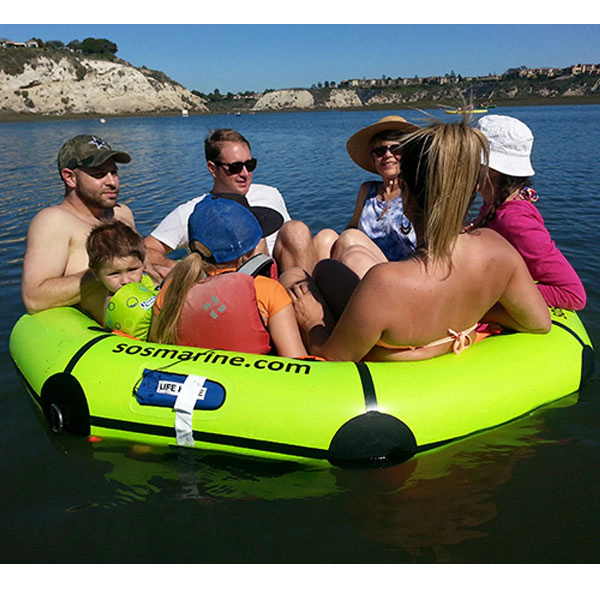
Compact four-person life raft in a valise for inshore and coastal use. It weighs 8.6 kg, packs to 520 x 340 x 170 mm and is serviced every two years.
Explore →
Push-to-talk radio that uses 4G mobile networks where there is coverage and a built-in 16-channel analog radio where there is none, with GPS and SOS. Sold as a two-pack.
Explore →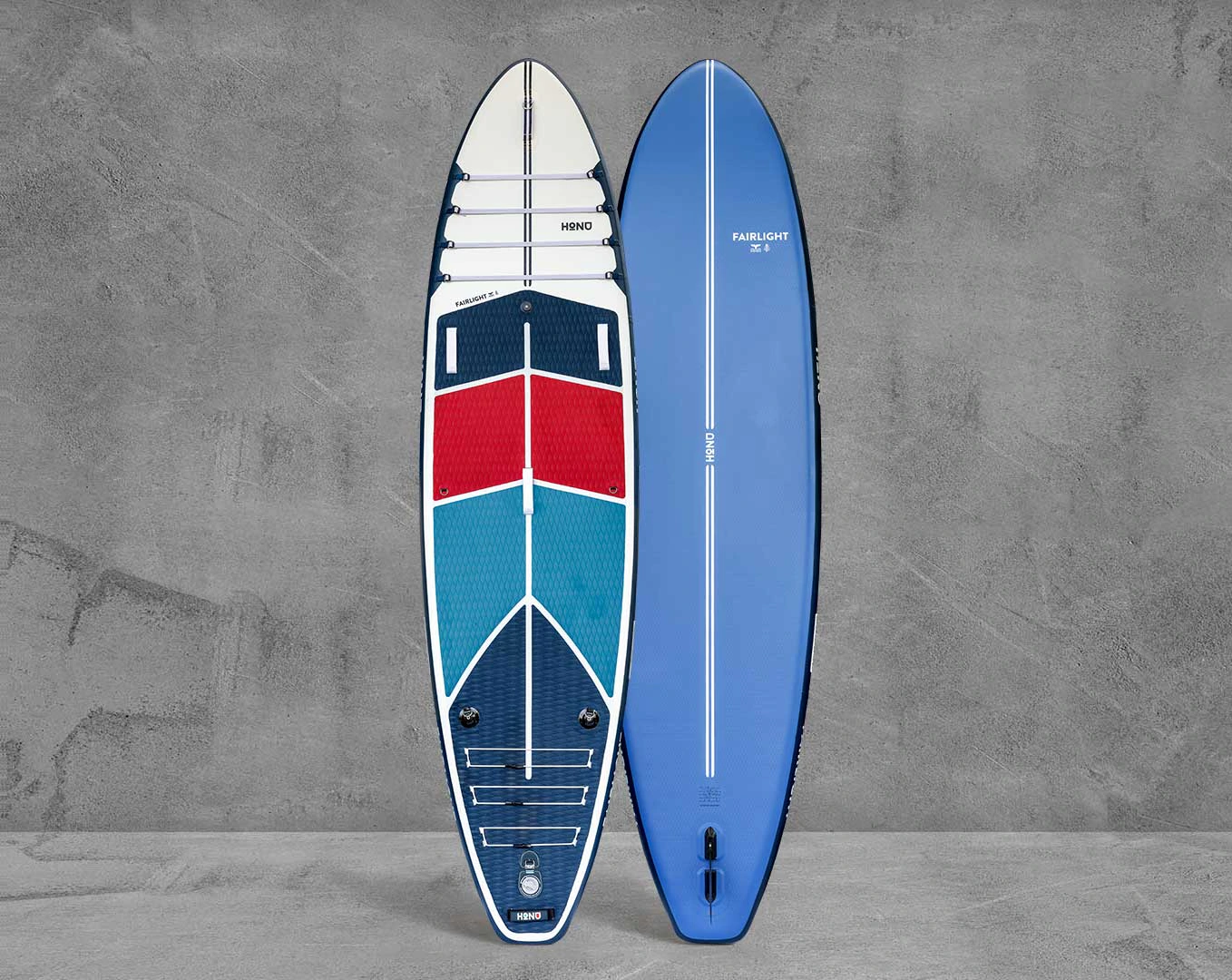
A wide, high-volume inflatable paddle board, 11'6 long and 34 inches wide with 342 litres of volume, built for stability, tandem paddling and carrying gear.
Explore →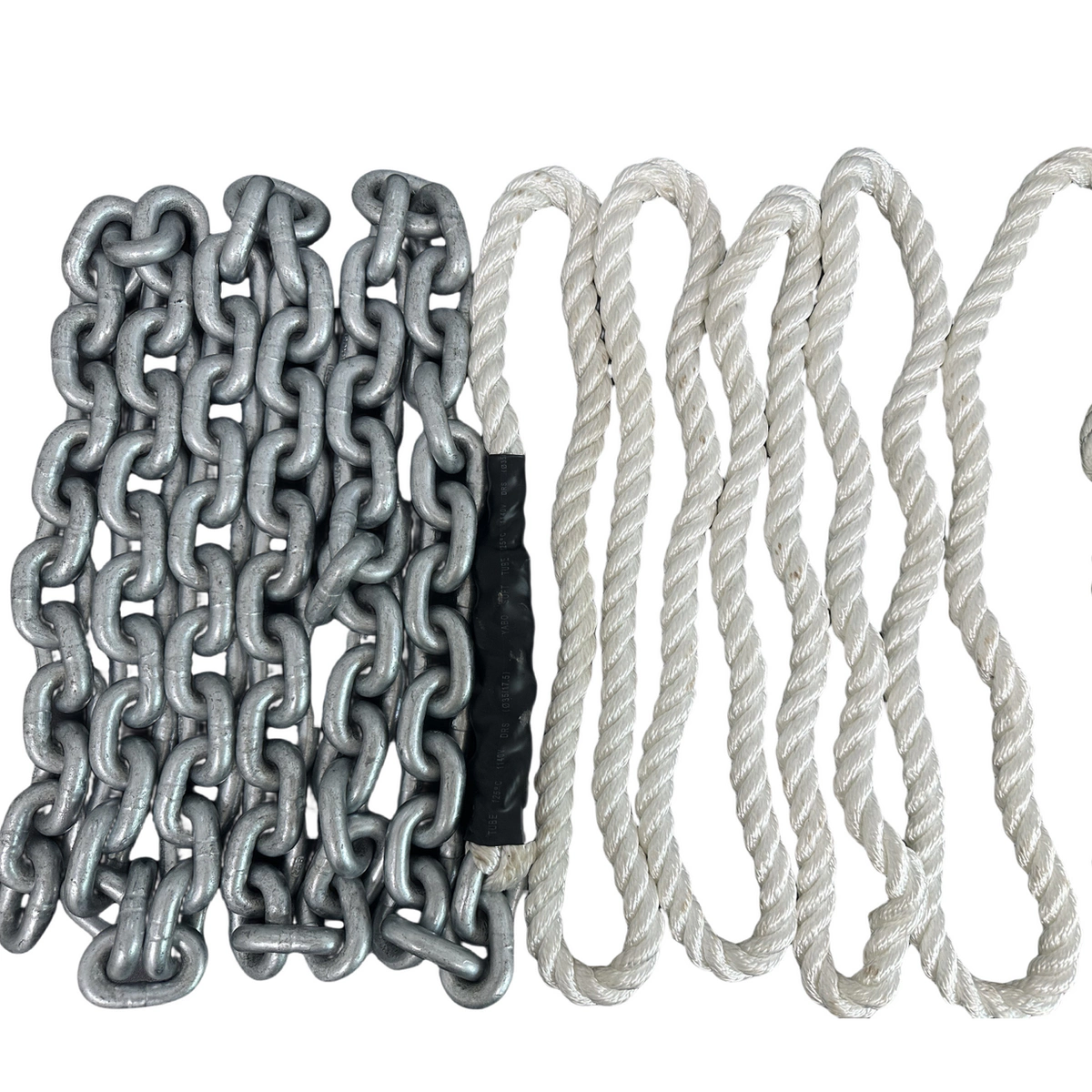
Ready-made anchor rode: three-strand nylon rope professionally spliced to hot-dip galvanised DIN 766 chain, for windlasses with a DIN 766 gypsy.
Explore →