3S
Loading this page…
Loading this page…

Marine electronics
About
Sea Switch Marine Electrics is based at Pottsville and provides marine electrical design, installation and fault-finding for vessels across northern NSW and the southern Gold Coast region.
Service area: Tweed Coast, Pottsville, Ballina, Northern Rivers and Gold Coast
Sea Switch Marine Electrics is based at Pottsville and provides marine electrical design, installation and fault-finding for vessels across northern NSW and the southern Gold Coast region.
Sea Switch Marine Electrics advertises Marine electrical design; installation; fault finding; charging systems; batteries; monitoring; electronics; rewiring. Its workshop, marina base or principal operating location is 50 Sassafras Street, Pottsville NSW 2489. The practical service coverage is Tweed Coast, Pottsville, Ballina, Northern Rivers and Gold Coast. Marine electrical or marine electronics work is a core part of this business.
Marine electrical systems operate in an unusually harsh environment. Salt, vibration, heat, confined spaces and persistent moisture can expose weak connections and poor installation work quickly. A competent marine electrical job should use appropriate cable, terminals, circuit protection and mounting methods, with cables supported and labelled so future fault finding does not become a guessing exercise.
Owners should expect the electrician to look beyond the failed component when there are repeated blown fuses, low voltage, unexpected battery drain or intermittent electronics. The underlying issue may be voltage drop, corrosion, undersized cabling, poor crimping, a failing battery, incorrect charging or an overloaded distribution circuit.
Keep exploring
Marine electronics
Bird Electrical Marine Electrical, Air Conditioning and RefrigerationTerrey Hills, NSW5.0 · 1 Google review
View profileMarine electronics
Bird Electrical Marine Electrical, Air Conditioning and RefrigerationBrooklyn, NSW5.0 · 2 Google reviews
View profileEnergy-system work should start with a real load and charging assessment. Lithium batteries, high-output alternators, inverter-chargers, DC-DC chargers and solar controllers can move large currents, so cable sizing, fusing, isolation, BMS limits, alternator temperature and fault protection matter as much as battery capacity. A good upgrade should document how shore power, engine charging, solar and emergency starting interact rather than simply adding a larger battery. Electronics installation is also an electrical-system task.
Chartplotters, radar, AIS, autopilot, instruments and engine gateways may share NMEA 2000, SeaTalkNG or NMEA 0183 networks and depend on clean power, correct termination and reliable data sources. A well-planned installation considers network architecture, voltage drop, antenna location, software compatibility and service access rather than treating each display as a stand-alone device.
For a fault-finding job, provide the vessel make and model, battery-bank voltage, symptoms, when the problem occurs, and photographs of switchboards, batteries and equipment labels where possible. For a refit, a useful quote should identify the major equipment, cable and protection changes, whether drawings or circuit schedules will be supplied, the testing and commissioning process, and any work that requires a licensed mains-voltage electrician.
If lithium is involved, ask how alternator protection, charging profiles, battery management, emergency isolation and start-battery interaction will be handled. If navigation electronics are involved, ask whether the existing network and sensors are compatible before purchasing new displays.

Plan to transit Sydney Heads and northern NSW estuary entrances to take advantage of favourable tidal streams or slack water; account for local acceleration over shoals, eddies, wind-on-current effects and river discharge, and always check the latest local observations and tide/stream products before departure.
Explore →
Plan as a chain of conservative daily legs tied to your boat’s real-world fuel and speed in the expected sea state, with confirmed primary and alternate anchorages/berths, fuel legs and back-up fuel options, and a documented emergency/diversion plan (comms, tow and med-evac). Build tidal and weather gates into each leg and carry chart and comms redundancy.
Explore →
Expect light to moderate, thermally-driven sea breezes in summer with afternoon strengthening; more changeable and often stronger winds with frontal systems in autumn and spring; and the windiest, roughest conditions in winter when cold fronts and sou’westers are most frequent. Gulf St Vincent is more sheltered than the exposed coast but can still produce steep chop and sudden changes near Adelaide and headlands.
Explore →
Expect very different seasonal systems across Western Australia: the south‑west (Perth to Albany) has a strong summer afternoon sea breeze (the “Fremantle Doctor”) and winter westerly fronts, while northern WA follows a wet/dry monsoonal cycle with strong seasonal onshore winds, thunderstorms and cyclone risk in the wet season. Local headlands, estuaries and tidal flows often change what you actually feel on the water, so learn the local timing and sheltered venues first.
Explore →Practical guide for recreational sailors planning passages, anchorages and visits to Ningaloo Reef and the Exmouth coast. Covers anchoring considerations, marine park rules and how local weather, tides and currents affect safety and enjoyment.
Explore →A concise, practical guide for recreational sailors in New South Wales that explains southerly busters, sea breezes and east coast lows, how they form, how they affect coastal sailing, common signs to watch for, equipment and preparation, and clear next steps to plan safer outings.
Explore →
A practical guide for recreational sailors planning trips on the Gold Coast Broadwater: key features, local weather and tide considerations, navigation tips, common hazards, equipment checklist and step‑by‑step trip planning tailored to Australian conditions.
Explore →
A practical guide for recreational sailors planning trips around the Capricorn Coast and Keppel Islands, covering seasonal considerations, common routes, anchorages, hazards, provisioning and sensible safety planning for Australian conditions.
Explore →Burke Yachtsman Gear Bag 40L - Shop Now Zip Pay | Tamar Marine Skip to content 59 – 63 Holbrook Street, Invermay Online Shop Open 24/7 Products search Contact us 1300 MARINE $ 0.00 0 Cart Burke Yachtsman Gear Bag 40L $ 79.90 Colour Choose an option Black Blue Black Blue Clear - Burke Yachtsman Gear Bag 40L quantity + Add to cart Enquire about this product SKU BAGB-Y24/BLACK* Category Bags - Sail & Gear A Burke classic and customer favourite, the Yachtsman’s Gear Bag is built tough to handle wet, salty conditions while keeping your gear dry and protected. Made from double coated waterproof…
Explore →
Self-contained, battery-powered plug‑and‑play autopilot designed for standard hydraulic steering systems.
Explore →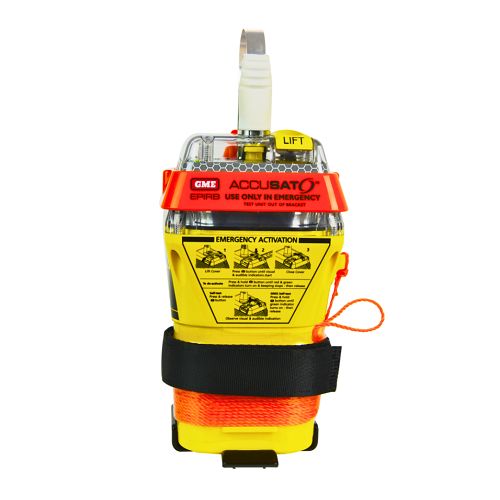
A 10‑year battery EPIRB with integrated GNSS (supports GPS and Galileo), infrared strobe and 121.5 MHz homing signal. Approved for worldwide COSPAS‑SARSAT operation.
Explore →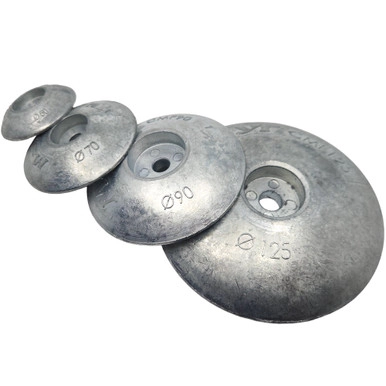
Imported from All Marine Spares. This draft has no editorial summary yet.
Explore →