3S
Loading this page…
Loading this page…

Marine electronics
About
Shellharbour Marine Electronics advertises licensed marine electrical services together with electronics supply and installation. Its current range includes charging, solar, CZone digital switching, fault finding and vessel automation.
Service area: Shellharbour, Illawarra, Wollongong, Kiama, Jervis Bay, South Sydney and Sydney
Shellharbour Marine Electronics advertises licensed marine electrical services together with electronics supply and installation. Its current range includes charging, solar, CZone digital switching, fault finding and vessel automation.
Shellharbour Marine Electronics advertises Marine electrical repairs; diagnostics; inverter and charging systems; lithium and batteries; solar; CZone; automation; marine electronics; lighting. Its workshop, marina base or principal operating location is Shellharbour NSW. The practical service coverage is Shellharbour, Illawarra, Wollongong, Kiama, Jervis Bay, South Sydney and Sydney. Marine electrical or marine electronics work is a core part of this business.
Marine electrical systems operate in an unusually harsh environment. Salt, vibration, heat, confined spaces and persistent moisture can expose weak connections and poor installation work quickly. A competent marine electrical job should use appropriate cable, terminals, circuit protection and mounting methods, with cables supported and labelled so future fault finding does not become a guessing exercise.
Owners should expect the electrician to look beyond the failed component when there are repeated blown fuses, low voltage, unexpected battery drain or intermittent electronics. The underlying issue may be voltage drop, corrosion, undersized cabling, poor crimping, a failing battery, incorrect charging or an overloaded distribution circuit.
Keep exploring
Marine electronics
Bird Electrical Marine Electrical, Air Conditioning and RefrigerationTerrey Hills, NSW5.0 · 1 Google review
View profileMarine electronics
Bird Electrical Marine Electrical, Air Conditioning and RefrigerationBrooklyn, NSW5.0 · 2 Google reviews
View profileEnergy-system work should start with a real load and charging assessment. Lithium batteries, high-output alternators, inverter-chargers, DC-DC chargers and solar controllers can move large currents, so cable sizing, fusing, isolation, BMS limits, alternator temperature and fault protection matter as much as battery capacity. A good upgrade should document how shore power, engine charging, solar and emergency starting interact rather than simply adding a larger battery. Electronics installation is also an electrical-system task.
Chartplotters, radar, AIS, autopilot, instruments and engine gateways may share NMEA 2000, SeaTalkNG or NMEA 0183 networks and depend on clean power, correct termination and reliable data sources. A well-planned installation considers network architecture, voltage drop, antenna location, software compatibility and service access rather than treating each display as a stand-alone device. Generator, switchboard and automation projects add another level of complexity.
Load sharing, transfer arrangements, protective devices, control wiring, alarms and monitoring need to behave predictably during faults and source changes. On commercial or larger vessels, documentation, test results and clear labelling become especially valuable for future technicians and survey work.
For a fault-finding job, provide the vessel make and model, battery-bank voltage, symptoms, when the problem occurs, and photographs of switchboards, batteries and equipment labels where possible. For a refit, a useful quote should identify the major equipment, cable and protection changes, whether drawings or circuit schedules will be supplied, the testing and commissioning process, and any work that requires a licensed mains-voltage electrician.
If lithium is involved, ask how alternator protection, charging profiles, battery management, emergency isolation and start-battery interaction will be handled. If navigation electronics are involved, ask whether the existing network and sensors are compatible before purchasing new displays.
Comprehensive sailing guide to Port Adelaide detailing geography, prevailing conditions, principal sailing zones, anchorages, approaches, facilities, hazards, regulations and suggested experiences for recreational sailors. Includes practical local advice on tidal quirks, sea breezes, shipping interactions, marina and ramp options, marine park protections and visitor services.

Before the season: confirm seaworthiness — hull, rig, engine, electrics, sails and safety gear — and replace or service wearable items. After the season: wash, dry and protect gear, service consumables and record what you did so the boat’s ready and reliable next season.
Explore →
Systematically compare interfaces, communication protocols and power/ground characteristics, then bench-test or simulate before final installation — confirm physical connectors, NMEA (0183, 2000) and seatalk compatibility, autopilot control inputs, data sentence requirements, and electrical load/voltage behaviour.
Explore →
Prioritise practising abandoning-ship and man-overboard drills, fire and flooding control, engine/fuel failures, emergency steering, communications and MOB recovery with the full crew and kit you’ll use on passage.
Explore →
Before your first sail in South Australian waters check the weather and tide, make sure the boat and safety equipment are fit for the trip, confirm local rules and any area-specific hazards, and tell someone your plan.
Explore →Practical guide for recreational sailors planning passages, anchorages and visits to Ningaloo Reef and the Exmouth coast. Covers anchoring considerations, marine park rules and how local weather, tides and currents affect safety and enjoyment.
Explore →A practical guide for recreational sailors planning passages to and around Rottnest Island. Covers anchoring and mooring options, local weather and sea conditions, tide and current considerations, passage planning tips and clear safety checklists tailored to Australian sailing conditions.
Explore →Practical guide for recreational sailors planning passages along Western Australia’s Margaret River coastline. Covers local weather patterns, sea and swell behaviour, anchorage selection, tidal and current considerations, equipment checks and realistic examples to help plan safe day-sails and short coastal passages.
Explore →Practical guidance for recreational sailors planning to cross coastal bars in New South Wales. Explains how to assess conditions, plan a crossing, prepare equipment and crew, recognise hazards and manage emergencies, with checklists and realistic examples relevant to NSW waters.
Explore →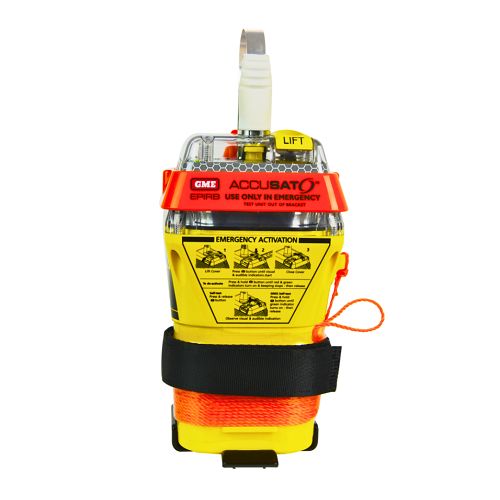
A 10‑year battery EPIRB with integrated GNSS (supports GPS and Galileo), infrared strobe and 121.5 MHz homing signal. Approved for worldwide COSPAS‑SARSAT operation.
Explore →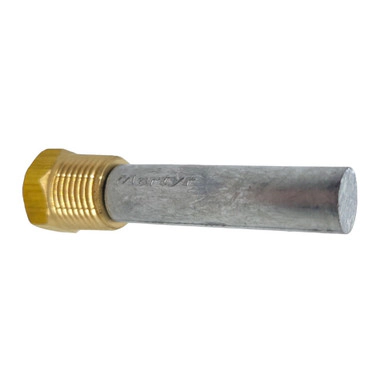
Imported from All Marine Spares. This draft has no editorial summary yet.
Explore →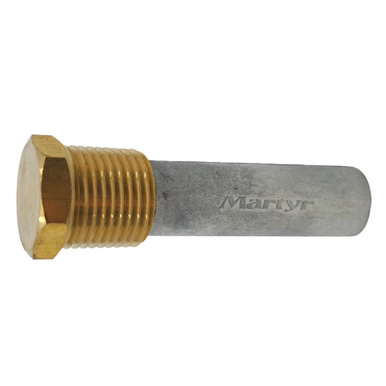
Imported from All Marine Spares. This draft has no editorial summary yet.
Explore →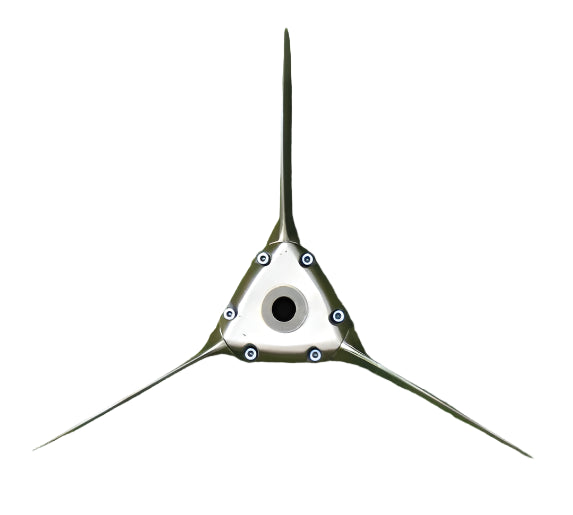
Feathering propeller designed for larger cruising yachts. Diameter range 18"–25"; shaft range 1¼"–1¾"; hub lengths 120mm or 165mm (with anode). Sail drive option available.
Explore →