Loading this page…

Loading this page…
Other marine service
About
Silver Sands Canvas is a Mandurah marine trimming business whose team promotes more than 40 years of combined industry experience. It works with recognised marine materials and produces enclosures, biminis, seating and carpet systems.
Service area: Mandurah, Peel Region and south of Perth
Silver Sands Canvas is a Mandurah marine trimming business whose team promotes more than 40 years of combined industry experience. It works with recognised marine materials and produces enclosures, biminis, seating and carpet systems.
Silver Sands Canvas currently offers Biminis; enclosures; clears; marine seating; carpet; custom covers; premium marine fabrics. The workshop or operating location is 1/11 Rafferty Road, Mandurah WA 6210, with service coverage described as Mandurah, Peel Region and south of Perth. Current company material explicitly identifies marine or boating work in the areas of biminis; enclosures; clears; marine seating; carpet; custom covers; premium marine fabrics.
Biminis, canopies and spray dodgers need to be patterned around helm visibility, boom clearance, winches, sheet leads and normal movement through the cockpit. Clear panels and enclosures are most successful when the layout balances visibility, ventilation and weather protection while avoiding folds or contact points that can scratch the clear material. Marine upholstery should be considered as a system of covering, thread, foam, backing and drainage; replacing only the visible vinyl can leave old waterlogged or collapsed foam underneath.
Marine carpet or flooring work can also be coordinated with removable panels, locker access and drainage so the refit remains practical rather than simply cosmetic.
Keep exploring
Other marine service
Department of Transport and Major InfrastructureFremantle, WA2.7 · 7 Google reviews
View profileMarine canvas, upholstery, boat covers, yacht rigging or related work is central to the business rather than a minor side service. Owners can approach the company with a boat-specific job and expect the project to be assessed in the context of marine exposure, onboard use and vessel layout.
For trimming work, photographs are useful for an initial conversation, but custom canvas and upholstery normally need accurate measurement or patterning on the actual boat. The quote should identify the fabric or vinyl, thread, clear material, foam where relevant, zippers, fasteners, frame work and whether removal and installation are included. Boat-specific work should be quoted against the actual vessel wherever possible.
Dimensions, access, existing fittings, condition of mounting points and the amount of removal, repair or fabrication required can materially change the job. For canvas and upholstery, material selection should consider UV exposure, salt, moisture, ventilation, cleaning and how the item will be stored. For rope and rigging, line construction, diameter, stretch, chafe, working load and compatibility with winches, clutches, sheaves or terminals all matter.
Silver Sands Canvas is relevant to boat owners in Mandurah, Peel Region and south of Perth.

Use a sensible scope (line length), pick good ground, set the anchor with a controlled reverse to load it, and check you’re not dragging by noting fixed references and using a stern line or anchor alarm if needed.
Explore →
Many pets can enjoy sailing but suitability comes down to temperament, physical fitness and how you introduce them. Do a calm, staged assessment and get a vet check before you take them offshore.
Explore →
Keep the boat balanced by steering a consistent course for the sail trim and by moving crew weight fore/aft and side-to-side to control helm and reduce weather or lee helm. Upwind you aim for a slight weather helm and a heel that lets the sails work efficiently; downwind you flatten the boat a little, ease sheets to prevent luffing or accidental broaches, and shift weight aft as the apparent wind drops.
Explore →
Systematically compare interfaces, communication protocols and power/ground characteristics, then bench-test or simulate before final installation — confirm physical connectors, NMEA (0183, 2000) and seatalk compatibility, autopilot control inputs, data sentence requirements, and electrical load/voltage behaviour.
Explore →A concise, practical introduction to the essential parts of a recreational sailing boat for beginners in Australia. Covers hull, deck, rigging, sails, steering, below-decks spaces and safety equipment, with simple explanations, common mistakes and a pre-sail checklist to help new sailors communicate and get underway.
Explore →
A concise, practical guide to the points of sail and how to trim sails effectively for common Australian conditions. Learn the basics of wind angles, sail shape, telltales, reefing considerations and simple steps to improve boat speed and balance.
Explore →
A practical checklist and explanation of the safety equipment recreational sailors should carry in Australian waters, with how to choose gear, use it correctly, and common mistakes to avoid.
Explore →Practical guide for recreational sailors planning passages, anchorages and visits to Ningaloo Reef and the Exmouth coast. Covers anchoring considerations, marine park rules and how local weather, tides and currents affect safety and enjoyment.
Explore →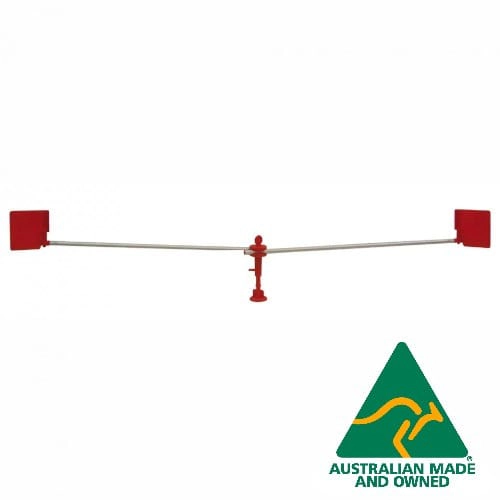
Wind-driven bird repeller with 2 metre rotating arms that keeps birds from roosting on hardtops, biminis, booms and decks. UV stabilised, with a bayonet base and a 12 month warranty.
Explore →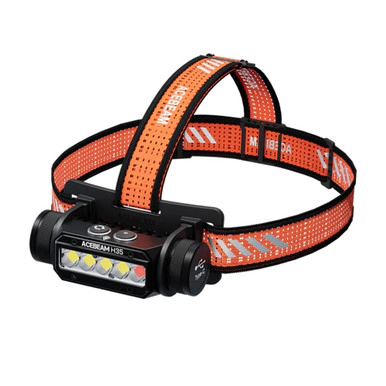
A 2600 lumen wide-beam headlamp with a red light, rated IP68 and submersible to 2 metres, with a 170 metre beam and USB-C charging.
Explore →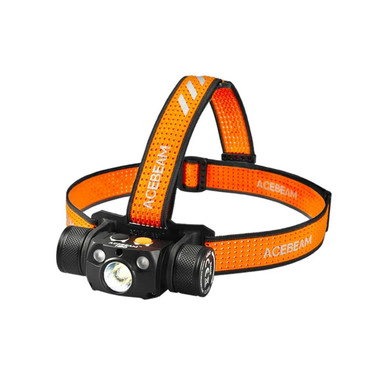
A 4000 lumen rechargeable headlamp with red and green secondary lights, a 208 metre beam, a 5100 mAh 21700 battery and USB-C charging.
Explore →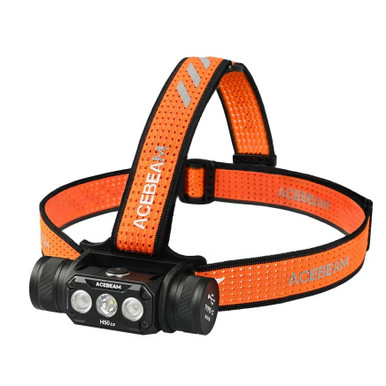
A 2000 lumen headlamp with spot and flood beams, rated IP68 and submersible to 2 metres, with a 141 metre beam and up to 30 hours on low.
Explore →