YouSail category guide
"Engine Parts" covers the mechanical, electrical and plumbing components that keep an inboard or sterndrive propulsion system running: consumables such as filters and belts, service parts like impellers and zincs, mechanical items including mounts, heat-exchanger components and geardrive parts, and the fasteners, hoses and fittings needed to install and service them. This category does not include complete engines, outboard motors, factory engine packages, or accessories that sit outside the propulsion system (for example propulsion-only sails, rigging or general deck hardware). It focuses on items that are direct interfaces to the engine’s operation, reliability and maintenance.
What engine parts do aboard a sailing boat
Engine parts perform three everyday roles aboard a sailing boat: they keep the engine running reliably (spares and consumables), ensure safe operation (controls, mounts and cooling components), and allow repair or replacement at sea (interchangeable parts and consumable kits). Even on sailboats that use the engine sparingly, these parts influence range, manoeuvrability in tight berths, charging of electrical systems and the boat’s ability to recover from mechanical problems.
Main product types and configurations
- Consumables and routine-service parts — oil and fuel filters, air filters, impellers, belts, plugs, anodes (sacrificial zincs), gaskets and seals. These are replaced at planned intervals and are the parts most commonly carried aboard.
- Cooling system components — raw-water pumps (impellers and housings), heat exchanger parts, hose assemblies and thermostats. Failures here can quickly lead to overheating.
- Fuel-system parts — filters, fuel pumps, injectors or carburettor components, fuel lines and clamps. Contaminated fuel or failed filters are common causes of engine shutdown.
- Drive and propulsion parts — prop shafts, couplings, cutless bearings, gearboxes, seals and stern gland components. These affect how power is transmitted to the propeller and what happens when there’s vibration or leakage.
- Electrical and charging components — alternator parts, starter motor wear items, wiring lugs, fuses, switches and sensor replacements. The charging system keeps batteries ready for starting and house loads.
- Control and instrumentation items — throttle/linkage parts, gearbox control cables, shift mechanisms and replacement sensors or senders for temperature, oil pressure and fuel level.
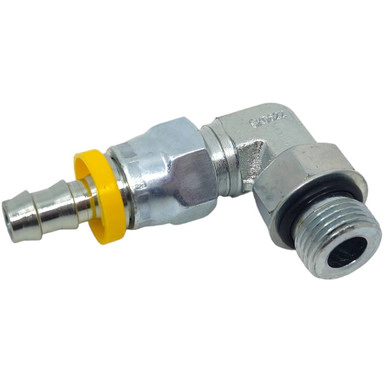
- Fasteners, hoses and fittings — hose clamps, reinforced hoses, hose tails, fuel clamps, threaded fasteners and lock plates rated for marine use.
- Repair kits and overhaul components — gasket sets, seal kits, bearing kits and rebuild components for pumps and smaller gearboxes.
What is included and excluded
Included: parts that directly serve the propulsion system and its support systems (cooling, fuel, electrical, drive). Excluded: complete replacement engines, non-propulsion electrical appliances, sails, rigging or general deck hardware. Also excluded are shore-power chargers, inverters and batteries unless they are specifically part of engine starting or charging components.
Why this category matters on a sailing boat
Choices within this category determine how easily you can prevent or recover from failures that may otherwise leave a vessel without power or steerage. An appropriately stocked parts inventory and well-chosen replacement components reduce the likelihood of needing professional salvage, reduce downtime in remote areas and support safe passage-making. Quality of parts and compatibility with the vessel influence not only reliability but also simplicity of repair while anchored or at sea.
The decisions that matter before buying
Selecting engine parts isn’t just about matching part numbers. Consider:
- Boat size, engine type and intended use — Larger boats and larger engines typically demand heavier-duty components and greater spares inventories. An engine in near-continuous use for long passages needs more robust spares than one used occasionally for harbour manoeuvres.
- Crew size and experience — If you expect to perform repairs at sea, choose parts that are straightforward to fit and carry component kits with clear instructions. Less experienced crews should prioritise replaceable assemblies over rebuildable components.
- Operating environment — Saltwater exposure, tropical climates and high-silt waters accelerate corrosion and clogging. Materials and hose types should be selected for corrosion and abrasion resistance suitable to local conditions.
- Space and access — Check if there is physical room to install parts and to access them for servicing. Some parts require engine-room access, while others can be replaced from the cockpit or lazarette.
- Power and electrical compatibility — For starters, alternators and starters carry clear voltage and mounting differences; ensure correct polarity and mounting patterns in replacements.
- Manual versus sealed or modular parts — Modular, cartridge-style elements may be simple to swap but can be more expensive; sealed components can be lighter on maintenance but harder to repair in the field.
- Availability of replacement parts and repairability — For long-distance cruising, favour parts that are common or have standard interfaces so spares can be sourced worldwide or repaired locally.
- Weight and centre-of-gravity effects — Heavy spares stored high in the boat affect stability and should be stowed low.
Product types explained
Consumables and service kits
How they work: ready-to-fit replacement components used at scheduled maintenance. Where used: throughout the engine and support systems. Advantages: inexpensive, quick to change. Limitations: ongoing cost and stock management. Suits day sailors through to cruisers who perform their own servicing.
Replacement mechanical components
How they work: structural or moving parts that take wear — pumps, couplings, bearings. Where used: drive train and cooling systems. Advantages: restore original function. Limitations: sometimes require machining or specialist tools for installation; may be heavy.
Electrical and starter/charging replacements
How they work: replace or restore electrical power for starting and charging. Advantages: high impact on reliability; relatively modular. Limitations: must match engine’s electrical system; improper wiring can cause failures.
Repair and overhaul kits
How they work: grouped seals, gaskets and bearings to rebuild pumps or gearboxes. Advantages: compact and cost-effective to carry. Limitations: require competence to fit and the correct tools.
Understanding specifications
- Part numbers and engine model fitment — The most precise way to match parts; confirm engine serial and model details before purchase.
- Dimensions and mounting patterns — Shaft diameters, flange bolt patterns, hose internal diameters and thread sizes matter because physical mismatch prevents installation.
- Material specifications — Bronze, stainless, aluminium or composite — each has different corrosion, strength and wear characteristics. Choose materials suited to saltwater exposure and galvanic compatibility with adjacent metalwork.
- Temperature and pressure ratings — For hoses and heat-exchanger parts; ratings determine suitability for coolant temperatures and system pressure. Real-world loads can exceed bench ratings if the system is fouled or blocked.
- Electrical ratings — Voltage, cranking current, alternator output and protection class. Ensure replacements match the electrical system and that wiring and fuses are sized appropriately.
Compatibility and installation checks
Before committing to a purchase verify:
- Engine make, model and serial/ID plate data for precise fitment.
- Available physical space and access for tools and hands during installation and servicing.
- Electrical system voltage and starter/alternator mounting polarity and connectors.
- Hose diameters, clamp types and routing for plumbing parts; plan for proper support and strain relief.
- Fastener materials to avoid galvanic corrosion — match stainless grades or specify insulating washers where metals join.
- Whether a specialised installer or marine mechanic is required; some parts (gearboxes, shaft work) need alignment and testing beyond owner skills.
Day sailing, coastal cruising and offshore differences
Day sailing
Prioritise simplicity and a small inventory of high-failure risk consumables: impeller, oil and fuel filters, belts, and an anode. Keep parts light, easy to stow and quick to replace.
Coastal cruising
Expect longer durations at sea and variable service access. Add spare pumps or repair kits, spare starter or alternator basic parts, and robust hose assemblies. Carry tools and spares to address common failures.
Offshore and remote cruising
Redundancy and repairability matter most. Carry multiple critical spares (impeller, raw-water pump, fuel pump, alternator brushes or a spare starter if practical) and comprehensive seal/gasket kits. Choose parts that can be overhauled with hand tools or fabricated locally in an emergency.
Trade-offs to consider
- Simplicity vs features: Modular, user-friendly parts may cost more but reduce downtime; complex OEM components might be cheaper but harder to service offshore.
- Weight vs durability: Heavier marine-grade components last longer but affect ballast and storage layout.
- Permanent installation vs portability: A permanent spare pump installation provides instant redundancy but adds complexity; portable spares are versatile but must be fitted under pressure.
- Low maintenance vs repairability: Sealed units may require less routine attention but are replaced rather than repaired at sea.
Maintenance and service life
Routine inspection should focus on wear points: hose softening or cracking, clamp corrosion and looseness, pitting on sacrificial anodes, frayed belts, and evidence of fuel or oil leaks. Replace consumables at manufacturer-recommended intervals and inspect repair kits to ensure completeness. Keep a modest selection of spare consumables aboard and a small stock of common fasteners and hose clamps. For long voyages, plan spares around parts that are difficult to source in remote ports.
Common mistakes and how to avoid them
- Buying by specification alone: A part with the right size on paper may still differ in mounting pattern or connector. Avoid this by verifying part numbers and physical measurements.
- Oversizing or undersizing: Oversized alternators or pumps can overload systems; undersized parts fail prematurely. Match to engine and system requirements.
- Ignoring installation space: Choosing a part that won’t physically fit or be serviceable is a wasted purchase. Measure access and clearance.
- Underestimating electrical demands: Replacing alternators or starters without reviewing wiring and fuse capacity risks overheating and fire.
- Neglecting corrosion and material compatibility: Mixing dissimilar metals without insulation invites galvanic corrosion; use compatible materials and isolators.
- Forgetting repair tools: Carry appropriate tools and spares; a component you could fit easily is useless without correct tools or sealants.
Before buying — practical checklist
- Confirm engine make, model and serial number.
- Note physical dimensions, mounting bolt patterns and shaft sizes where applicable.
- Record electrical system voltage and connector types for starters and alternators.
- Measure hose inner diameters and inspect clamp types used aboard.
- Decide spare strategy based on intended sailing range (day, coastal, offshore).
- Evaluate whether the part can be installed and serviced aboard with your tools and skill set.
- Check availability of replacement parts in likely ports along your cruising route.
- Ask suppliers about interchangeability and whether the part is OEM-equivalent or aftermarket; request detailed fitment data.
- Plan storage for spares to keep weight low and parts dry and labelled.
Prioritise purchases by the likely consequences of a failure: items whose failure leaves you unable to start, to charge batteries, or to cool the engine deserve the highest priority. Balance cost, ease of installation and the probability of failure against how remote you will be when a part fails. Informed choices and a modest, well-organised spares inventory substantially reduce risk and leave you better prepared to keep moving under power when you need it.