Loading this page…
Australian sailing — learn, improve, connectviewsManage a listingJoin YouSail

Loading this page…
Marine surveyor
5.0 from 1 Google review
About
AmSpec CR Cox provides commercial marine and cargo surveying in Australia, with a Fremantle base. Its work includes loading and discharge supervision, cargo damage surveys and vessel inspection services.
Service area: Australian ports
AmSpec acquired CR Cox in 2017, bringing the Australian marine surveying business into its international inspection group. This listing is most relevant to ship operators, cargo interests and commercial marine clients.
Services described by AmSpec include hold cleanliness and fit-to-load inspections, port captaincy, superintending, cargo damage and P&I surveys, and supervision of oil, gas, agricultural and mineral cargo operations. Contact the Australian team to confirm the appropriate survey office and scope.
Keep exploring
Bathurst Harbour (Port Davey system), in south‑west Tasmania, is a vast, almost land‑locked estuarine harbour inside the Southwest National Park and World Heritage Area. It offers a remote, sheltered anchoring environment protected from the Roaring Forties, but demands careful planning, an awareness of marine‑reserve rules, and a willingness to operate in shallow, tannin‑stained waters. Best suited to experienced coastal cruisers and small expedition yachts prepared for self‑sufficiency, Bathurst Harbour is more a place to linger and explore on foot and by tender than a port of call for busy,

There are legal obligations in Western Australia for recreational boat owners and skippers covering vessel registration, carriage of safety equipment and general skipper responsibilities, but the exact requirements depend on vessel type, size, where you sail and whether the vessel is commercial or recreational. Check the Western Australian Department of Transport (DoT WA) and the national authority for the precise checklist that applies to your boat and voyage.
Explore →
Measure yourself and check the seller’s size guide, certification labels and return policy; prefer buying from reputable Australian retailers or authorised dealers and ask for photos or a video try-on before you commit.
Explore →
Carry wearable lifejackets (one per person that fits), a reliable means of distress communication, basic firefighting and bilge items, navigation lights and charts, plus sensible clothing, sun protection and drinking water. Exact legal requirements vary by state and vessel — check the relevant regulator before you go.
Explore →
Yes — South Australian coastal waters include marine parks, aquatic reserves, harbour bylaws and local council restrictions that can affect anchoring, fishing, mooring and access; check the relevant state agencies, local councils and Notices to Mariners for location-specific rules and permit requirements.
Explore →A practical guide for recreational sailors on using VHF marine radios safely and effectively in Australian waters: basic operation, channel use, emergency procedures, DSC basics, common mistakes and a ready checklist for pre-departure and on-water use.
Explore →
A practical guide for recreational sailors in Australia explaining how tides and currents work, how tidal gates (entrance bars, harbour gates and man-made locks) affect navigation, and how to plan passages and manoeuvres safely around tidal influences.
Explore →A practical guide to the coastal weather systems that affect sailing along Western Australia's coast, focusing on the Fremantle Doctor, local sea breezes, and linked coastal phenomena. Explains how these systems form, when they tend to occur, how they influence boat handling and passage planning, common mistakes, and a
Explore →
A practical, Australia‑focused introduction to sailing: key terms, common boat types, basic manoeuvres, where to learn, licence and club options, and planning your first trips with safety and local conditions in mind.
Explore →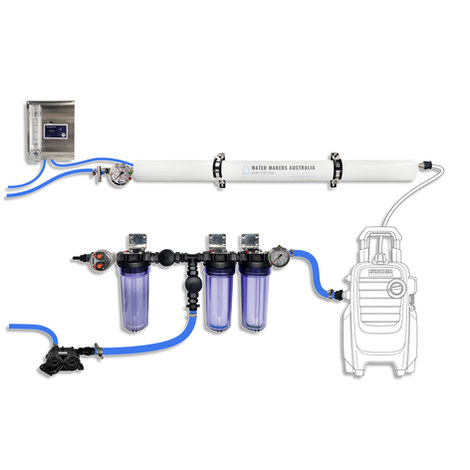
A one-membrane modular marine watermaker with 80 L/h nominal output, remote stainless control panel, standard consumables and direct Australian support.
Explore →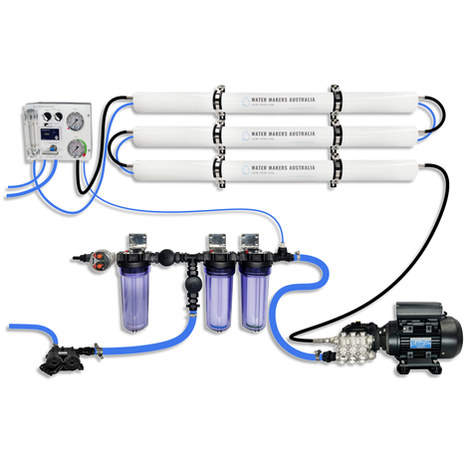
A three-membrane modular watermaker with 200 L/h nominal output and up to 240 L/h family-level marketing, for larger crews and heavy use.
Explore →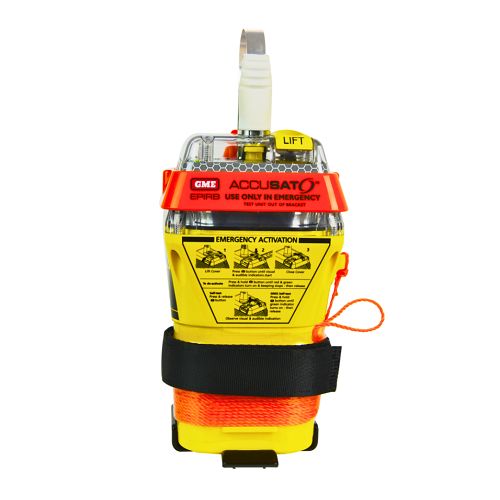
A 10‑year battery EPIRB with integrated GNSS (supports GPS and Galileo), infrared strobe and 121.5 MHz homing signal. Approved for worldwide COSPAS‑SARSAT operation.
Explore →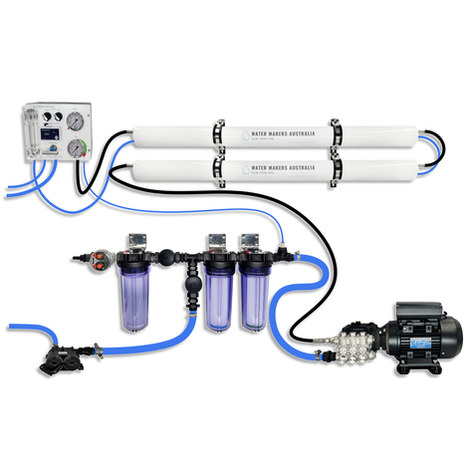
A two-membrane modular watermaker with 140 L/h nominal output, aimed at families and liveaboards that want more water per run.
Explore →