AM
Loading this page…
Loading this page…

Marine electronics
About
Black Flag Marine Co is a Lonsdale marine electrical and electronics specialist providing design, sales, installation and service across low-voltage, mains AC, batteries, electronics and connectivity.
Service area: Adelaide, South Australia and marine project work
Black Flag Marine Co is a Lonsdale marine electrical and electronics specialist providing design, sales, installation and service across low-voltage, mains AC, batteries, electronics and connectivity.
Black Flag Co advertises 12V and 24V DC; 240V AC; shore power; inverters; lithium; battery management; navigation; sailing instruments; Starlink; lighting; watermakers. Its workshop, marina base or principal operating location is Lonsdale SA. The practical service coverage is Adelaide, South Australia and marine project work. Marine electrical or marine electronics work is a core part of this business.
Marine electrical systems operate in an unusually harsh environment. Salt, vibration, heat, confined spaces and persistent moisture can expose weak connections and poor installation work quickly. A competent marine electrical job should use appropriate cable, terminals, circuit protection and mounting methods, with cables supported and labelled so future fault finding does not become a guessing exercise.
Owners should expect the electrician to look beyond the failed component when there are repeated blown fuses, low voltage, unexpected battery drain or intermittent electronics. The underlying issue may be voltage drop, corrosion, undersized cabling, poor crimping, a failing battery, incorrect charging or an overloaded distribution circuit.
Keep exploring
Mains AC work aboard a vessel requires particular care because shore power, generators, inverters, neutral-earth arrangements, galvanic isolation and bonding can create safety and corrosion issues that are not encountered in a simple 12-volt accessory installation. Owners should confirm that mains-voltage work is completed and certified by an appropriately licensed electrical contractor and that the installation suits the relevant Australian marine electrical requirements. Electronics installation is also an electrical-system task.
Chartplotters, radar, AIS, autopilot, instruments and engine gateways may share NMEA 2000, SeaTalkNG or NMEA 0183 networks and depend on clean power, correct termination and reliable data sources. A well-planned installation considers network architecture, voltage drop, antenna location, software compatibility and service access rather than treating each display as a stand-alone device.
For a fault-finding job, provide the vessel make and model, battery-bank voltage, symptoms, when the problem occurs, and photographs of switchboards, batteries and equipment labels where possible. For a refit, a useful quote should identify the major equipment, cable and protection changes, whether drawings or circuit schedules will be supplied, the testing and commissioning process, and any work that requires a licensed mains-voltage electrician.
If lithium is involved, ask how alternator protection, charging profiles, battery management, emergency isolation and start-battery interaction will be handled. If navigation electronics are involved, ask whether the existing network and sensors are compatible before purchasing new displays.
Ashmore Reef is a remote, uninhabited oceanic reef and low-lying island group in the Timor Sea that offers a stark, conservation-led sailing environment rather than typical recreational cruising. It is distinctive for its exposed coral reef, vegetated sand islands and strong legal protections, including tightly controlled access and traditional Indonesian fishing arrangements. Visiting from a recreational yacht is logistically challenging, subject to regulatory limits, and suited only to well-prepared offshore passages or research/management charters rather than casual day sails.

Pick a stable, simple, forgiving dinghy with a single sail or basic sloop rig, affordable handling and easy maintenance—ideally one with a local class or school nearby so you can access coaching and spare parts.
Explore →
Plan the crossing as a deliberate offshore passage with a chosen route that reduces exposure, a weather window that keeps wind, swell and fronts well offshore, and firm alternates and abort points — using up-to-date synoptic and high‑resolution marine forecasts plus local observations to time departure and arrival.
Explore →
Plan as a chain of conservative daily legs tied to your boat’s real-world fuel and speed in the expected sea state, with confirmed primary and alternate anchorages/berths, fuel legs and back-up fuel options, and a documented emergency/diversion plan (comms, tow and med-evac). Build tidal and weather gates into each leg and carry chart and comms redundancy.
Explore →
Look for consistent, verifiable detail across multiple photos and reviews, check timestamps, reviewer credibility and metadata where possible, and cross‑check with independent sources — treat overly perfect images or identical language with caution.
Explore →Practical guide for recreational sailors planning passages, anchorages and visits to Ningaloo Reef and the Exmouth coast. Covers anchoring considerations, marine park rules and how local weather, tides and currents affect safety and enjoyment.
Explore →A practical guide for recreational sailors planning visits to Albany and King George Sound. Covers the main anchorage areas, typical local weather patterns, tidal and current considerations, navigational hazards, on-the-water etiquette and a pre-departure checklist to help you plan a safe passage and enjoyable stopover
Explore →A practical guide for recreational sailors on using VHF marine radios safely and effectively in Australian waters: basic operation, channel use, emergency procedures, DSC basics, common mistakes and a ready checklist for pre-departure and on-water use.
Explore →A practical guide for recreational sailors planning trips in Jervis Bay. Covers typical weather patterns, sheltered anchorages, common hazards, marine park considerations, anchoring techniques and sensible trip planning for day sails and short cruises.
Explore →Burke Yachtsman Gear Bag 40L - Shop Now Zip Pay | Tamar Marine Skip to content 59 – 63 Holbrook Street, Invermay Online Shop Open 24/7 Products search Contact us 1300 MARINE $ 0.00 0 Cart Burke Yachtsman Gear Bag 40L $ 79.90 Colour Choose an option Black Blue Black Blue Clear - Burke Yachtsman Gear Bag 40L quantity + Add to cart Enquire about this product SKU BAGB-Y24/BLACK* Category Bags - Sail & Gear A Burke classic and customer favourite, the Yachtsman’s Gear Bag is built tough to handle wet, salty conditions while keeping your gear dry and protected. Made from double coated waterproof…
Explore →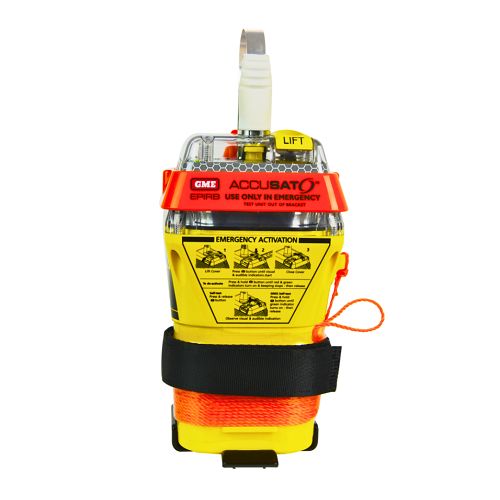
A 10‑year battery EPIRB with integrated GNSS (supports GPS and Galileo), infrared strobe and 121.5 MHz homing signal. Approved for worldwide COSPAS‑SARSAT operation.
Explore →
Self-contained, battery-powered plug‑and‑play autopilot designed for standard hydraulic steering systems.
Explore →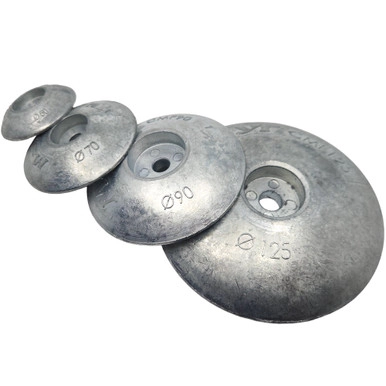
Imported from All Marine Spares. This draft has no editorial summary yet.
Explore →