AM
Loading this page…
Loading this page…

Marine electronics
About
PK Mobile Auto Electrical is primarily an auto-electrical business but advertises dedicated boat electrical repair capability in Adelaide, including batteries, charging, lighting and onboard accessories.
Service area: Adelaide metropolitan area
PK Mobile Auto Electrical is primarily an auto-electrical business but advertises dedicated boat electrical repair capability in Adelaide, including batteries, charging, lighting and onboard accessories.
PK Mobile Auto Electrical advertises Boat electrical repairs; batteries; charging; lighting; fault finding; winches; generators; starter motors; alternators; mobile electrical. Its workshop, marina base or principal operating location is 670 Port Road, Beverley SA 5009. The practical service coverage is Adelaide metropolitan area. The business is not marine-only, but its current service offering explicitly includes boat or marine electrical work. It is therefore a valid directory entry, while the fit label makes clear that marine work sits alongside automotive, residential, commercial or other electrical services.
Marine electrical systems operate in an unusually harsh environment. Salt, vibration, heat, confined spaces and persistent moisture can expose weak connections and poor installation work quickly. A competent marine electrical job should use appropriate cable, terminals, circuit protection and mounting methods, with cables supported and labelled so future fault finding does not become a guessing exercise.
Owners should expect the electrician to look beyond the failed component when there are repeated blown fuses, low voltage, unexpected battery drain or intermittent electronics. The underlying issue may be voltage drop, corrosion, undersized cabling, poor crimping, a failing battery, incorrect charging or an overloaded distribution circuit.
Keep exploring
Energy-system work should start with a real load and charging assessment. Lithium batteries, high-output alternators, inverter-chargers, DC-DC chargers and solar controllers can move large currents, so cable sizing, fusing, isolation, BMS limits, alternator temperature and fault protection matter as much as battery capacity. A good upgrade should document how shore power, engine charging, solar and emergency starting interact rather than simply adding a larger battery. Generator, switchboard and automation projects add another level of complexity.
Load sharing, transfer arrangements, protective devices, control wiring, alarms and monitoring need to behave predictably during faults and source changes. On commercial or larger vessels, documentation, test results and clear labelling become especially valuable for future technicians and survey work.
For a fault-finding job, provide the vessel make and model, battery-bank voltage, symptoms, when the problem occurs, and photographs of switchboards, batteries and equipment labels where possible. For a refit, a useful quote should identify the major equipment, cable and protection changes, whether drawings or circuit schedules will be supplied, the testing and commissioning process, and any work that requires a licensed mains-voltage electrician.
If lithium is involved, ask how alternator protection, charging profiles, battery management, emergency isolation and start-battery interaction will be handled. If navigation electronics are involved, ask whether the existing network and sensors are compatible before purchasing new displays.
Dangar Island sits in the lower Hawkesbury River close to Brooklyn and is one of Sydney’s small, boat‑access communities. From the water it reads as a wooded, low island with sandy foreshore, a public jetty and private moorings; its position at the mouth of Cowan Creek and close to the main river channel makes it an attractive short‑cruise destination for trailer sailors, runabouts and small cruisers but also one that requires careful local knowledge and respect for resident berths, ferry operations and tidal currents.

Warranties, returns and repairs for boating gear bought overseas depend on the seller’s terms, the manufacturer’s international support, and your rights under Australian consumer law — expect longer timeframes, extra cost for shipping and customs, and possible limits on local repairs. Always check the seller’s returns policy and the manufacturer’s warranty before buying.
Explore →
After reefing and beaching, do a visual and tactile inspection of the hull, centreboard/daggerboard and fittings for cracks, gouges, loose fastenings, retained sand/corrosion and deformities; address problems promptly and avoid sailing until significant damage is assessed or repaired.
Explore →
Check condition, compatibility and provenance: inspect cloth, seams and stitching, UV and water damage, measurements and fit to your mast/boom and fittings, and the age and repair history of sails, spars and standing/ running rigging before buying online.
Explore →
Progress gradually by increasing exposure, practising specific skills, sailing with more experienced crew/skippers, and deliberately training for each new step—start in calm sheltered bays, then move to longer trips, busier waters, stronger winds and finally open coastal passages when you and your crew are consistently competent and comfortable.
Explore →
Practical, step-by-step guidance for planning a safe coastal sailing trip in Australia. Covers route planning, weather and tides, boat checks, safety equipment, crew roles, communications, and sensible day-before and go/no-go checks.
Explore →
Practical guide for recreational sailors in Australia on preparing for and conducting safe night passages. Covers planning, lighting, navigation tools, watch systems, crew briefings, common mistakes and simple emergency steps tailored to Australian conditions.
Explore →Practical guide for recreational sailors in Pittwater covering safe anchorages, popular beaches, typical weather patterns, tidal and local considerations, boat handling and a pre-departure checklist tailored to local conditions.
Explore →Practical guidance for recreational sailors in New South Wales on navigating marine parks, using moorings and anchoring responsibly. Covers how to plan passages, approach moorings, set and retrieve an anchor, minimise environmental impact and follow local rules.
Explore →Burke Yachtsman Gear Bag 40L - Shop Now Zip Pay | Tamar Marine Skip to content 59 – 63 Holbrook Street, Invermay Online Shop Open 24/7 Products search Contact us 1300 MARINE $ 0.00 0 Cart Burke Yachtsman Gear Bag 40L $ 79.90 Colour Choose an option Black Blue Black Blue Clear - Burke Yachtsman Gear Bag 40L quantity + Add to cart Enquire about this product SKU BAGB-Y24/BLACK* Category Bags - Sail & Gear A Burke classic and customer favourite, the Yachtsman’s Gear Bag is built tough to handle wet, salty conditions while keeping your gear dry and protected. Made from double coated waterproof…
Explore →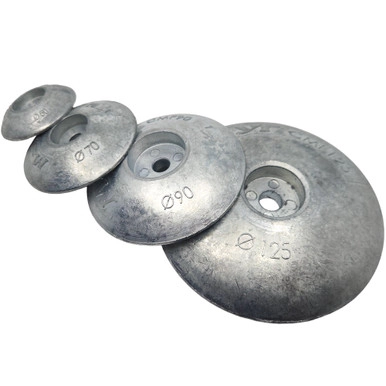
Imported from All Marine Spares. This draft has no editorial summary yet.
Explore →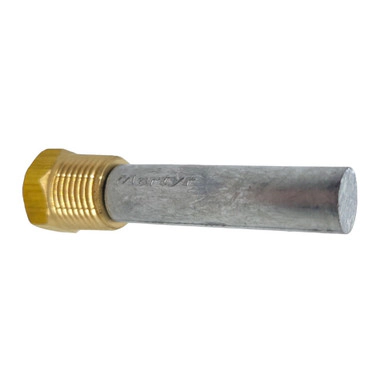
Imported from All Marine Spares. This draft has no editorial summary yet.
Explore →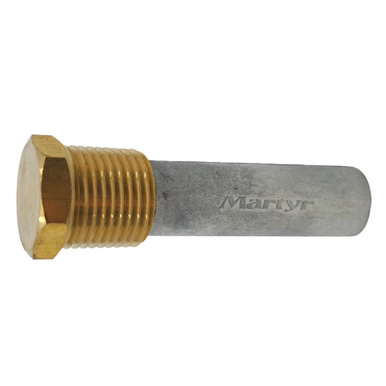
Imported from All Marine Spares. This draft has no editorial summary yet.
Explore →