Loading this page…

Loading this page…
About
Owner-run Sydney Harbour charter business since 2008, with private charters on 38ft sailing catamarans and a Catalina 31 yacht, plus romantic and whale-watching trips.
Service area: Sydney Harbour
Tim and Juliet started Champagne Sailing in 2008 after working on charter boats in the Whitsundays, and Tim grew up sailing Sydney Harbour. They run private charters across the harbour with pick-ups from Clontarf, Balmoral, Manly, Rose Bay, Double Bay, Woolloomooloo, Darling Harbour and other wharves, and wharf fees are included in the rates.
The sailing fleet is three 38ft catamarans, each taking up to 43 guests with two bathrooms, a galley, a barbecue and nets for lounging, plus Cutting Loose, a Catalina 31 for up to seven that suits couples. The business also runs a motor catamaran and a timber cruiser. Packages include harbour cruises, proposals and romantic sails, overnight charters, sunset sails, seasonal whale watching, and corporate and celebration events.
The catamarans suit parties and office functions, while the Catalina suits couples or a small family. Some pick-up points only work with certain boats, so check your wharf matches your vessel, and make sure you're booking a sailing boat rather than one of the motor vessels.
Keep exploring
Claim this listing to manage its contact details, profile and photographs yourself. You will need a free account; a YouSail administrator reviews every claim.
Claim this listingComprehensive sailing guide to the Bundaberg region covering the Burnett River, Burnett Heads and nearby reefs and islands. Includes geography, seasonal conditions, principal sailing areas, anchorages and visitor berths, arriving and harbour navigation, facilities ashore, local hazards and limitations, regulatory and conservation constraints and suggested sailing experiences suited to day sailors through to passagemakers. Concludes with who the area suits and a short list of authoritative sources consulted.

Expect the usual IALA-B lateral system (red and green), cardinal and isolated-danger marks, safe-water and special marks, plus harbour-specific fairway buoys, leading/transit marks and exclusion or speed‑limit buoys. Check local harbour charts and Notices to Mariners for exact positions and light characteristics before entry.
Explore →
Do a simple pre-departure check of fuel, oil, cooling, controls, battery and prop, plus a quick start-and-idle run to confirm the outboard is healthy and responds correctly before you leave the ramp.
Explore →
Late spring to summer is usually the best time for beginners to start learning to sail in Tasmania because the weather is generally warmer, days are longer and conditions are often more settled. Expect lighter to moderate winds with regular afternoon sea breees in summer, while spring and autumn bring more changeable and sometimes stronger conditions; winter is colder, wetter and typically windier with more fronts and swell.
Explore →
Plan to use tide and local knowledge, slow and steerable power, and deliberate positioning to work with—rather than fight—strong streams and eddies when entering or leaving Tasmanian harbours.
Explore →
A practical, Australia-focused guide for planning and sailing around the Whitsunday Islands: weather and seasons, navigation and anchoring, moorings and parks, provisioning and charters, safety and common mistakes, plus checklists and next steps.
Explore →
A practical, Australia‑focused introduction to sailing: key terms, common boat types, basic manoeuvres, where to learn, licence and club options, and planning your first trips with safety and local conditions in mind.
Explore →A practical, step‑by‑step guide for recreational sailors on Sydney Harbour covering navigation, local weather and tides, safe anchoring, berthing, common routes, rules of the road, and useful checklists tailored to Australian conditions.
Explore →A practical guide for recreational sailors planning visits to Albany and King George Sound. Covers the main anchorage areas, typical local weather patterns, tidal and current considerations, navigational hazards, on-the-water etiquette and a pre-departure checklist to help you plan a safe passage and enjoyable stopover
Explore →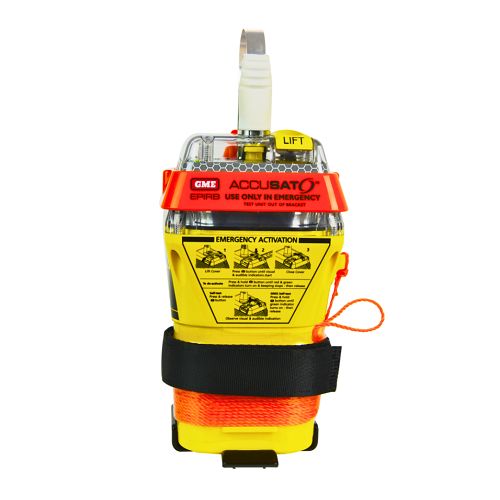
A 10‑year battery EPIRB with integrated GNSS (supports GPS and Galileo), infrared strobe and 121.5 MHz homing signal. Approved for worldwide COSPAS‑SARSAT operation.
Explore →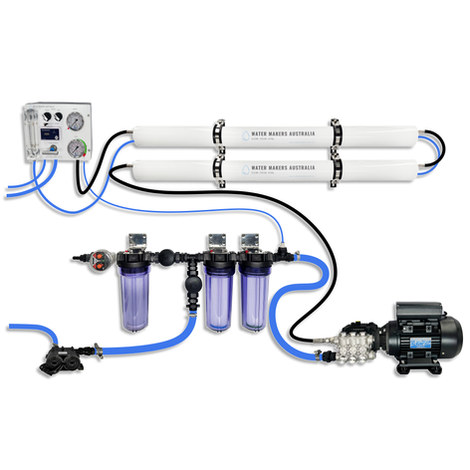
A two-membrane modular watermaker with 140 L/h nominal output, aimed at families and liveaboards that want more water per run.
Explore →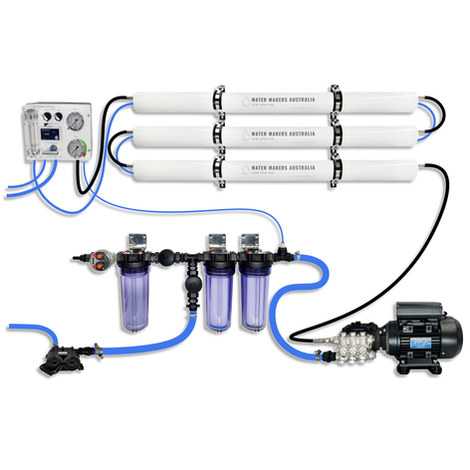
A three-membrane modular watermaker with 200 L/h nominal output and up to 240 L/h family-level marketing, for larger crews and heavy use.
Explore →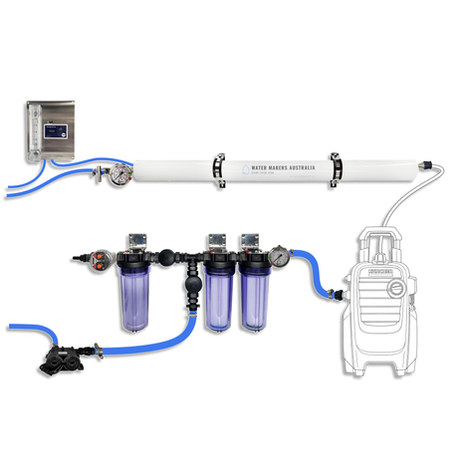
A one-membrane modular marine watermaker with 80 L/h nominal output, remote stainless control panel, standard consumables and direct Australian support.
Explore →