Loading this page…

Loading this page…
About
CITOR is a Western Australian family-owned reverse-osmosis manufacturer established in 1987. It explicitly supplies seawater desalination systems for private and commercial vessels as well as remote and industrial applications.
Service area: Western Australia, Australia-wide, Asia-Pacific and international
CITOR is a Western Australian family-owned reverse-osmosis manufacturer established in 1987. It explicitly supplies seawater desalination systems for private and commercial vessels as well as remote and industrial applications.
The relevant systems or brands are CITOR seawater reverse-osmosis desalinators; custom RO systems; brackish-water systems. The business advertises or is verified for Design; manufacturing; custom system engineering; desalination; commissioning support; repairs; maintenance; spare parts. Its principal location for this directory is Wangara WA, with practical coverage described as Western Australia, Australia-wide, Asia-Pacific and international.
A marine watermaker is a reverse-osmosis desalination plant, not simply a filter. It draws seawater through an intake and pre-filter system, raises the pressure sufficiently for the RO membrane to separate fresh product water from concentrated brine, then sends the usable water toward a test point or tank. Production depends on seawater temperature, salinity, membrane condition, feed pressure and system design, so advertised litres per hour should be treated as a rated figure rather than a guaranteed output in every anchorage.
For a manufacturer, the most useful questions are output, power draw, pump architecture, membrane size, control method, installation footprint and how easily consumables can be sourced. Cruising owners should also ask how the system is flushed or pickled, what happens if a proprietary control component fails, and whether common filters, membranes and fittings can be purchased away from the original supplier.
Keep exploring
Other marine service
Department of Transport and Major InfrastructureFremantle, WA2.7 · 7 Google reviews
View profileOutput should be chosen from the crew's real daily water use rather than from boat length alone. Drinking and cooking may require relatively little water, while regular showers, washing machines, deck rinsing and liveaboard use can multiply consumption. A higher-output unit can shorten run time but may demand more AC or DC power. A low-energy DC system can suit a solar-heavy yacht but may need to run for many hours to fill the tanks. Owners should compare litres per hour, watts consumed, daily energy required and the capacity of the boat's battery, alternator, solar, inverter or generator system.
Installation space is equally important. Modular systems allow the membranes, filters and pumps to be separated around a machinery space, while framed systems can be easier to install and service when enough room exists. The intake should be located where it is unlikely to draw air or contaminated harbour water. The brine discharge needs a reliable route overboard. Filters, pressure gauges, flushing valves and membrane housings should remain reachable for routine maintenance rather than being buried behind permanent joinery.
Watermakers reward regular use and correct shutdown procedures. Seawater left stagnant inside a membrane system can create biological fouling, so freshwater flushing is important when the unit will sit unused. Longer lay-ups may require preservation or pickling using the manufacturer's specified process. Prefilters need routine replacement and should be checked more often in silty, plankton-rich or polluted water. Product-water quality should be monitored before water is diverted into the main tank, particularly after servicing or a long period of storage.
Owners planning remote cruising should ask which spares are sensible to carry. Typical items may include sediment filters, pump service parts, O-rings, belts or impellers, hoses and preservation chemicals, but the correct kit depends on the specific system. Membranes often last a long time when operated and maintained correctly, so replacing them simply because of age is not always necessary. Diagnosis should consider feed flow, pressure, temperature and water quality before assuming the membrane has failed.
Deen Maar (the island and adjacent coastal region off south‑west Victoria) is a small but significant offshore island and coastal protected area offering dramatic cliffs, important seabird and seal habitat, cultural values for Gunditjmara and Eastern Maar Traditional Owners, and a clear contrast between exposed Bass Strait seascape and the comparatively sheltered waters inside the Moyne/Port Fairy approaches. From the water it is best treated as an ecological and cultural landmark rather than a place for casual landings: recreational boating activity is concentrated at Port Fairy, Killarney, Y

There are legal obligations in Western Australia for recreational boat owners and skippers covering vessel registration, carriage of safety equipment and general skipper responsibilities, but the exact requirements depend on vessel type, size, where you sail and whether the vessel is commercial or recreational. Check the Western Australian Department of Transport (DoT WA) and the national authority for the precise checklist that applies to your boat and voyage.
Explore →
Choose an anchor that penetrates the seabed you expect, carry enough chain and scope, set by reversing under control until the anchor bites, then test and monitor frequently — in sand and clean mud a plough or fluke-style can work well, in weed look for clean patches or use a claw/Delta-style or dedicated weed anchor and more scope.
Explore →
Before you head offshore from WA have a reliable primary VHF with DSC, a charged and registered 406 MHz EPIRB, at least one waterproof mobile phone and a separate handheld VHF as a backup; write and practise a clear escalation procedure so everyone knows which device to use and when.
Explore →
Increase inspection and cleaning frequency, use correctly sized and positioned sacrificial anodes or maintain impressed-current systems, select antifouling and application timing for local WA fouling pressure, and treat stainless and electrical connections proactively to break the corrosion chain.
Explore →Practical guidance for recreational sailors planning coastal and remote cruising in Western Australia, focusing on tidal planning, reef awareness, navigation and safety preparation tailored to local conditions.
Explore →A practical guide to the coastal weather systems that affect sailing along Western Australia's coast, focusing on the Fremantle Doctor, local sea breezes, and linked coastal phenomena. Explains how these systems form, when they tend to occur, how they influence boat handling and passage planning, common mistakes, and a
Explore →Practical guide for recreational sailors planning Kimberley cruises: understanding tidal regimes, planning for remote anchorages, provisioning, safety, communications and checklists for expedition-style outings in north-western Australian waters.
Explore →A practical guide for recreational sailors planning voyages to Esperance and the Recherche Archipelago: what to expect, key planning considerations, common anchorages, safety and communications, equipment recommendations and sensible steps for a successful trip in this remote southern WA cruising area.
Explore →
Self-contained, battery-powered plug‑and‑play autopilot designed for standard hydraulic steering systems.
Explore →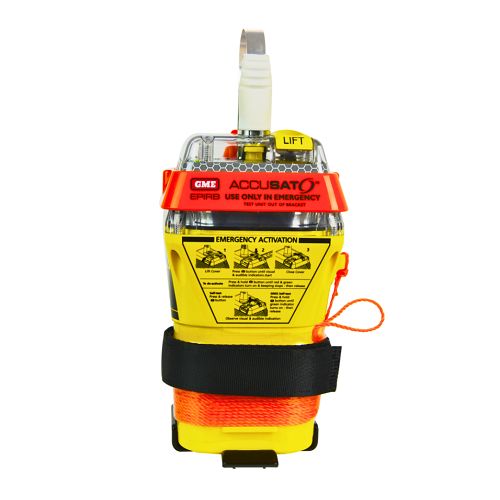
A 10‑year battery EPIRB with integrated GNSS (supports GPS and Galileo), infrared strobe and 121.5 MHz homing signal. Approved for worldwide COSPAS‑SARSAT operation.
Explore →Burke Yachtsman Gear Bag 40L - Shop Now Zip Pay | Tamar Marine Skip to content 59 – 63 Holbrook Street, Invermay Online Shop Open 24/7 Products search Contact us 1300 MARINE $ 0.00 0 Cart Burke Yachtsman Gear Bag 40L $ 79.90 Colour Choose an option Black Blue Black Blue Clear - Burke Yachtsman Gear Bag 40L quantity + Add to cart Enquire about this product SKU BAGB-Y24/BLACK* Category Bags - Sail & Gear A Burke classic and customer favourite, the Yachtsman’s Gear Bag is built tough to handle wet, salty conditions while keeping your gear dry and protected. Made from double coated waterproof…
Explore →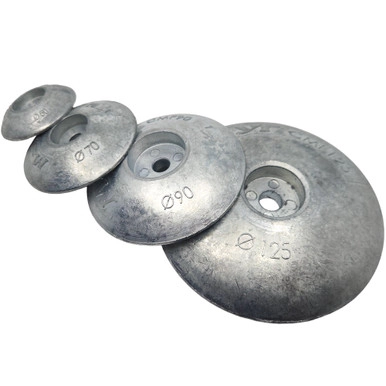
Imported from All Marine Spares. This draft has no editorial summary yet.
Explore →