Loading this page…

Loading this page…
Marina service
About
Cunninghame Quay provides up to five bookable short-stay valet berths at Lakes Entrance, each 20 by 6 metres with water, power and gated access.
Service area: Lakes Entrance, Gippsland Lakes, VIC
Keep exploring
The quay gives suitable vessels convenient town-side access in Victoria’s best-known eastern boating destination.
The five premium positions provide water, shore power and the protection of a security gate. Gippsland Ports publishes seasonal nightly rates and separate charges for temporary power-only outer-face berthing. Lonsdale Cruises manages bookings on the port manager’s behalf. The page does not advertise fuel, showers, laundry, repairs or other full-service marina amenities at the quay, so visiting crews should plan shore needs separately.
Cunninghame Arm places crews within walking distance of the shops, cafés and visitor services of Lakes Entrance. Access to the Gippsland Lakes from Bass Strait is through the engineered ocean entrance, where currents, swell and commercial traffic demand careful planning. Inside the lakes, channels and shallow margins require current charts and attention to markers, weather and Gippsland Ports notices.

Fit simple, practical modifications: secure non-slip surfaces and handholds, safe barriers and lifelines, a shaded rest area, proper ventilation, accessible fresh water and food storage, and appropriate flotation and ID for the pet. Tailor each item to your boat size, the pet’s size and temperament, and how you use the boat.
Explore →
Choose a life jacket sized for your pet’s weight and body shape, with a snug but comfortable fit, grab-handle and secure straps; try it on and, if possible, test in shallow water before heading offshore.
Explore →
Follow the basic COLREGs: keep a proper lookout, maintain safe speed and steering to avoid collisions, know which vessel ‘gives way’ and which ‘stands on’, use correct lights and sound signals, and keep clear of restricted waters and traffic lanes. Check local harbour rules and AMSA guidance for specifics.
Explore →
Plan the trip by setting a clear route and timeline, checking tides and currents for your passage times, identifying safe anchorages/harbours as escape options, and building a conservative margin for delays and weather changes.
Explore →
Practical guidance for recreational sailors in Australia on assessing swell, tide and wind, choosing the safest time to cross a coastal bar, preparing crew and gear, and making the decision to go or turn back.
Explore →
A concise, practical guide to the points of sail and how to trim sails effectively for common Australian conditions. Learn the basics of wind angles, sail shape, telltales, reefing considerations and simple steps to improve boat speed and balance.
Explore →Practical guide for recreational sailors navigating the Swan River and coastal waters around Perth. Covers local weather patterns, tides and currents, river navigation, launching and berthing options, safety equipment, common hazards, and step-by-step pre-departure and on-water checklists tailored to Western Australian
Explore →A practical guide for recreational sailors planning voyages to Esperance and the Recherche Archipelago: what to expect, key planning considerations, common anchorages, safety and communications, equipment recommendations and sensible steps for a successful trip in this remote southern WA cruising area.
Explore →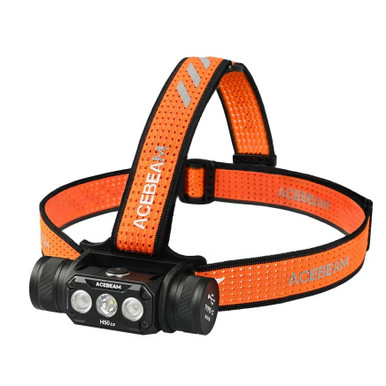
A 2000 lumen headlamp with spot and flood beams, rated IP68 and submersible to 2 metres, with a 141 metre beam and up to 30 hours on low.
Explore →
Peel-and-stick automatic fire suppressor for enclosed spaces up to 0.3 cubic metres, such as battery and electrical compartments. It activates at about 170 degrees Celsius with no power or wiring.
Explore →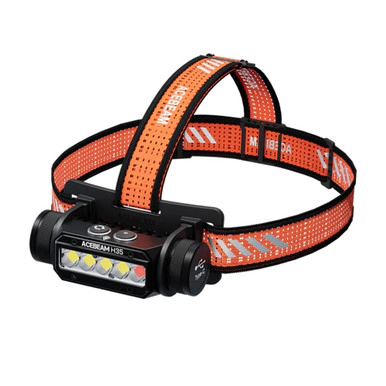
A 2600 lumen wide-beam headlamp with a red light, rated IP68 and submersible to 2 metres, with a 170 metre beam and USB-C charging.
Explore →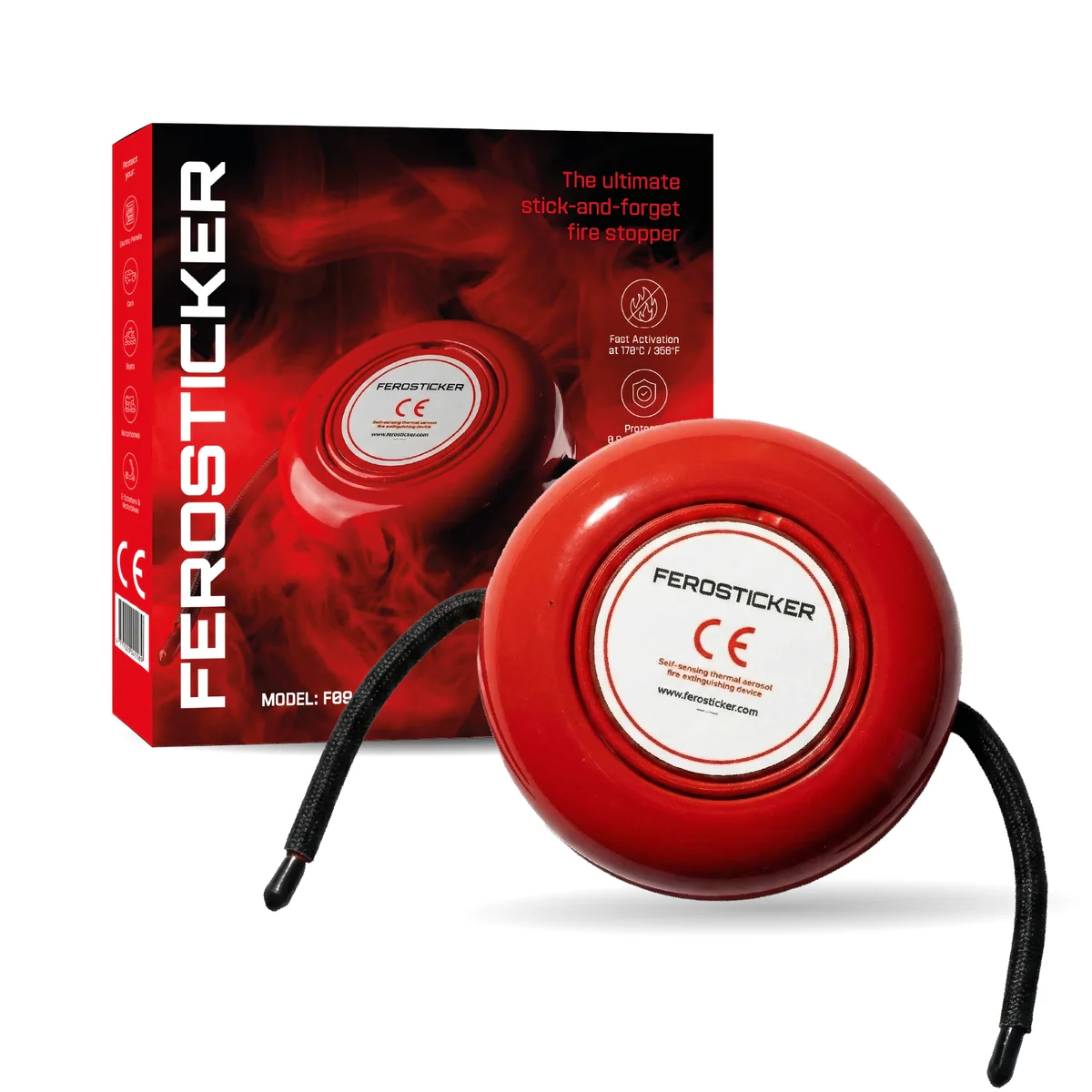
The largest Ferosticker: a peel-and-stick automatic fire suppressor for enclosed spaces up to 0.9 cubic metres, including engine compartments. It activates at about 170 degrees Celsius with no power or wiring.
Explore →