Loading this page…

Loading this page…
About
d'Albora Marinas Rushcutters Bay is a refined NSW marina base, combining practical boating support with a superb waterfront setting.
Service area: Sydney Harbour
Keep exploring
d'Albora Marinas Rushcutters Bay gives owners and visiting crews a polished place to arrive, berth and enjoy the water. Its setting brings together the ease of professional marina life and the pleasure of being close to some of NSW’s most rewarding cruising grounds.
It is a welcoming base for a quick harbour outing, a relaxed weekend aboard or the next chapter of a longer voyage.
Marina support and a well-connected waterfront location make boat ownership and visiting feel simple. The focus is on smooth arrivals, a comfortable berth and more time enjoying the boat.
The surrounding waterways are rich with sheltered bays, beaches, dining and memorable coastal scenery. d'Albora Marinas Rushcutters Bay is perfectly placed for exploring at a relaxed pace.
Satellite imagery at four heights, from the wider harbour to the berths.
Recently received AIS vessel positions around d'Albora Marinas Rushcutters Bay. The traffic display loads automatically.
Listening for recent AIS positions… this first load can take several seconds.
Customer perspective
★ 4.2 · 155 Google reviews
“Very unsafe marina”
“It is disappointing to see D’Albora Marinas maintain exorbitant fuel prices while the rest of the market adjusts. Despite the government's excise reduction intended to provide relief, your pricing remains a staggering outlier. Last Sunday, 95 Octane averaged $1.81 at roadside bowsers. In contrast, your rate of $3.20 - across both marinas I checked, representing a mere 24c drop from your peak - is disgraceful. While a convenience premium is expected at a marina, a nearly 75% markup over street prices crosses the line from operational overhead into opportunistic gouging. As the ACCC increases oversight on excise-related pricing, one would expect a premier marina to prioritize community goodwill.”
“Warning ⚠️ Very disappointing experience. The croissant was clearly stale and tasted several days old. When I asked if it was fresh, instead of answering the question I was told it could be “warmed up.” And after 2 minutes was like a stone, packed with sugar!! Heating a pastry does not make it fresh. That response alone says a lot about the standards here. The coffee was extremely bitter even with 1 sugar,and poorly made.And for sure not Lavazza coffe. What made the situation worse was the attitude. My simple question about freshness was not handled professionally, and I felt dismissed rather than respected as a customer. Fresh products and basic courtesy should be the minimum in any café. Unfortunately, this place failed on both. Sad because I live next road and they treat a potential customer that way,a few guy's close to me eating home food,(best choice)is the best idea for enjoying this place. So if you want come here buy a couple of bottle of water and prepare your food home!!”
“Very unsafe place with hazards everywhere”
“Currently being investigated for unsafe practices.”
Deen Maar (the island and adjacent coastal region off south‑west Victoria) is a small but significant offshore island and coastal protected area offering dramatic cliffs, important seabird and seal habitat, cultural values for Gunditjmara and Eastern Maar Traditional Owners, and a clear contrast between exposed Bass Strait seascape and the comparatively sheltered waters inside the Moyne/Port Fairy approaches. From the water it is best treated as an ecological and cultural landmark rather than a place for casual landings: recreational boating activity is concentrated at Port Fairy, Killarney, Y

Pick a protected bay, estuary or river reach where you can rig, launch and arrive on calm water within a short, sheltered transit; choose a site with a good ramp or jetty, clear recovery options and a nearby sailing club, marina or commercial operator for local knowledge and help.
Explore →
Taking pets between Australian states and into marinas or national parks is governed by state and territory biosecurity/quarantine rules, local council and marina policies, and the management rules of parks. Requirements vary by jurisdiction and by the species of animal, so check the relevant state/territory biosecurity office, the park management agency and the marina operator before you travel.
Explore →
Plan passages across Spencer Gulf or to Kangaroo Island by basing fuel on your boat’s actual consumption plus a generous reserve, choosing sensible staging/stop options that match your boat and crew, and prioritising shelter and weather windows (gale fronts, strong winds and tidal streams can make the gulf uncomfortable or unsafe). Confirm fuel availability, safe anchorages or marinas on your route, and check up-to-date local weather, tide and navigation information before you go.
Explore →
Choose a life jacket sized for your pet’s weight and body shape, with a snug but comfortable fit, grab-handle and secure straps; try it on and, if possible, test in shallow water before heading offshore.
Explore →A practical guide for recreational sailors planning passages to, from or around Eden and Twofold Bay. Covers sheltered anchorages, shore facilities, local weather and tidal considerations, preparing for Bass Strait conditions and a focused equipment and safety checklist.
Explore →A practical guide to preparing, planning and executing a recreational offshore passage along the New South Wales coast. Covers route selection, weather and tidal considerations, vessel and crew checks, safety equipment, communication, watchkeeping and common mistakes, with clear pre‑departure and underway checklists.
Explore →Practical guidance for recreational sailors planning to cross coastal bars in New South Wales. Explains how to assess conditions, plan a crossing, prepare equipment and crew, recognise hazards and manage emergencies, with checklists and realistic examples relevant to NSW waters.
Explore →A practical guide for recreational sailors planning visits to Albany and King George Sound. Covers the main anchorage areas, typical local weather patterns, tidal and current considerations, navigational hazards, on-the-water etiquette and a pre-departure checklist to help you plan a safe passage and enjoyable stopover
Explore →
A 10‑year battery EPIRB with integrated GNSS (supports GPS and Galileo), infrared strobe and 121.5 MHz homing signal. Approved for worldwide COSPAS‑SARSAT operation.
Explore →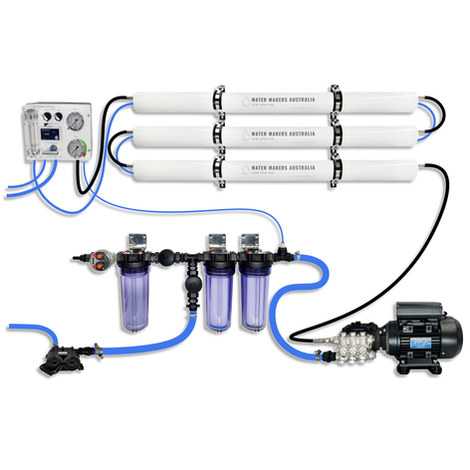
A three-membrane modular watermaker with 200 L/h nominal output and up to 240 L/h family-level marketing, for larger crews and heavy use.
Explore →
Self-contained, battery-powered plug‑and‑play autopilot designed for standard hydraulic steering systems.
Explore →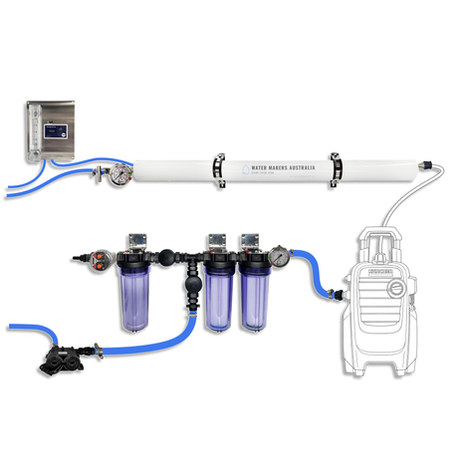
A one-membrane modular marine watermaker with 80 L/h nominal output, remote stainless control panel, standard consumables and direct Australian support.
Explore →On the water
2kn
Force 1 · Light air from the WSW
Not enough wind
Ripples, no foam crests