Loading this page…

Loading this page…
Marina service
About
Jurien Bay Boat Harbour is the public harbour serving recreational and commercial vessels on the Coral Coast, with harbour services and 24/7 diesel available by card at the fuel cabinets.
Service area: Jurien Bay, WA
Keep exploring
It supports recreational boating, fishing and local commercial activity, with public launching and harbour infrastructure. Comen Fuel WA / Jurien Boat Lifters notes card-operated diesel access at Jurien Bay and Port Denison jetties, available 24/7 for recreational boat users. It is a useful stop for Coral Coast boaters, while visiting skippers should confirm berth, fuel and lifting arrangements before planning a stopover.
The harbour offers rentable pens on casual and permanent terms through the department, backed by four service jetties with distinct roles. The East Jetty supplies single and three-phase power and water; the West Jetty adds a diesel fuel outlet to the same power and water services; the dedicated fuel jetty provides diesel berthing; and a government jetty serves official vessels. Published load limits allow 50-tonne displacement vessels berthing at up to 0.3 metres per second, with 5-tonne crane loads on the service jetties.
Diesel is dispensed around the clock by Comen Fuel WA on a self-service credit-card basis, with Comen fuel cards and all major cards accepted. The launching facility is a concrete four-lane ramp with two finger jetties and a sealed 245-bay car and trailer park to the east of the harbour. Haul-out and hardstand work centres on Jurien Boat Lifters at the harbour's north-east, which operates a 48-tonne boat lifter with a scissor lift and forklift, two large sheds, a wash-down area and a securely fenced bituminised hardstand where owners can repair, maintain and store vessels.
Two public toilet blocks serve the pens and ramps, and expired flares can be handed in at the Jurien Bay Volunteer Sea Rescue Group on Breakwater Drive. There is no chandlery, shower block or fuel for petrol boats inside the harbour, so skippers should plan accordingly; the town's shops, marine mechanic and hardware cover most other needs within a short drive of the pens.
Berthing enquiries and pen applications go through the department's regional office, and the harbour's layout, with the pens sheltered behind the breakwater and the service jetties along the eastern side, means most vessels can be fuelled, watered and worked on without leaving the harbour basin.
Jurien Bay is reef country, and the approach rewards attention. The bay is studded with limestone reefs, ledges and low islands running north-south, and the harbour sits behind its breakwater in the southern part of the bay; the marked leads are the safe way in, particularly at night or in a westerly blow, and depths around the reefs shelve quickly. Once inside, the holding is good sand and the harbour is comfortable in most conditions, though strong summer sea breezes funnel through the bay on hot afternoons.
The cruising and fishing grounds are the reason boats come: the Jurien Bay Marine Park stretches along the coast with the sea lion colonies on the offshore islands as its headline act, and charter boats run snorkelling trips out to swim with them. Inshore reefs produce dhufish, snapper, baldchin groper and herring, and the rock lobster season keeps the working fleet busy from November. Ashore the town is small but adequate, with a supermarket, bakery, hotel and a handful of cafes, plus a sea rescue group that knows the local water intimately.
Jurien makes a logical overnight stop for yachts running between Two Rocks or Mindarie and Geraldton, breaking what is otherwise a long exposed passage, and its 24-hour card-operated diesel means even a midnight arrival can refuel and press on. Drivers towing up from Perth should allow about two and a half hours via Indian Ocean Drive, and note that the ramp car park fills early on calm summer weekends.
The annual Blessing of the Fleet, when the crayboats parade for a benediction ahead of the season, is worth timing a visit for, and the skydive operation over the bay gives the harbour skyline a parachute or two most fine weekends.
Satellite imagery at four heights, from the wider harbour to the berths.

Plan the trip by setting a clear route and timeline, checking tides and currents for your passage times, identifying safe anchorages/harbours as escape options, and building a conservative margin for delays and weather changes.
Explore →
Do a simple pre-departure check of fuel, oil, cooling, controls, battery and prop, plus a quick start-and-idle run to confirm the outboard is healthy and responds correctly before you leave the ramp.
Explore →
Fit simple, practical modifications: secure non-slip surfaces and handholds, safe barriers and lifelines, a shaded rest area, proper ventilation, accessible fresh water and food storage, and appropriate flotation and ID for the pet. Tailor each item to your boat size, the pet’s size and temperament, and how you use the boat.
Explore →
Train your pet with short, reward‑based sessions that build confidence in the boat’s motions (boarding, heel, anchor swing and docking) — start in calm conditions, use consistent cues, plenty of positive reinforcement, and practise each manoeuvre separately before combining them.
Explore →
A practical guide for recreational sailors planning trips on the Gold Coast Broadwater: key features, local weather and tide considerations, navigation tips, common hazards, equipment checklist and step‑by‑step trip planning tailored to Australian conditions.
Explore →A practical, step‑by‑step guide for recreational sailors on Sydney Harbour covering navigation, local weather and tides, safe anchoring, berthing, common routes, rules of the road, and useful checklists tailored to Australian conditions.
Explore →A practical guide to preparing, planning and executing a recreational offshore passage along the New South Wales coast. Covers route selection, weather and tidal considerations, vessel and crew checks, safety equipment, communication, watchkeeping and common mistakes, with clear pre‑departure and underway checklists.
Explore →Practical guide for recreational sailors navigating the Swan River and coastal waters around Perth. Covers local weather patterns, tides and currents, river navigation, launching and berthing options, safety equipment, common hazards, and step-by-step pre-departure and on-water checklists tailored to Western Australian
Explore →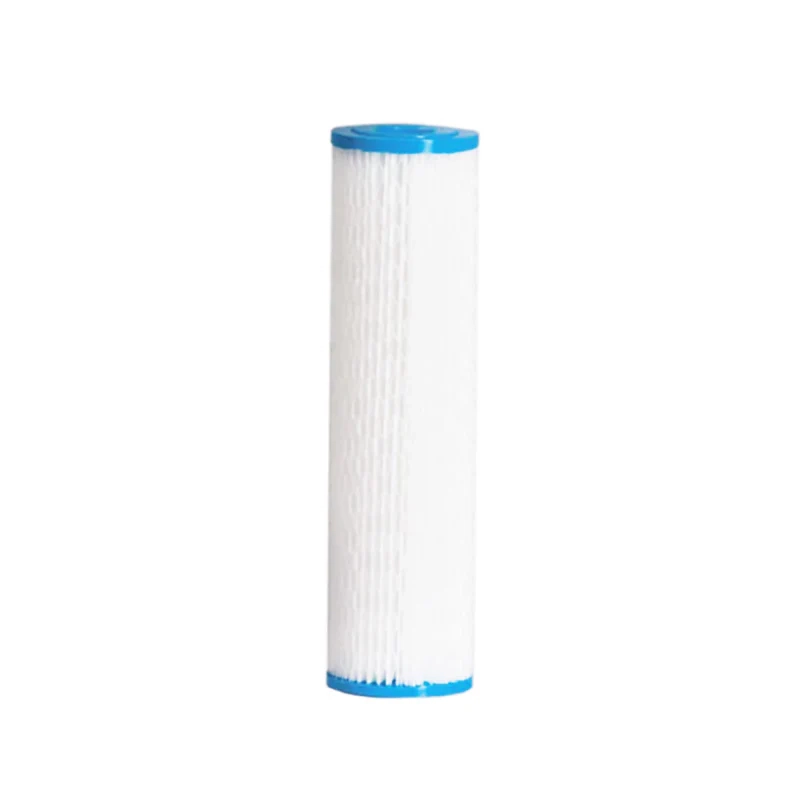
Standard 10 x 2.5 inch pleated poly cartridge rated at 5 micron. It is the second-stage pre-filter that removes fine sediment before the high-pressure pump, and it can be rinsed and reused.
Explore →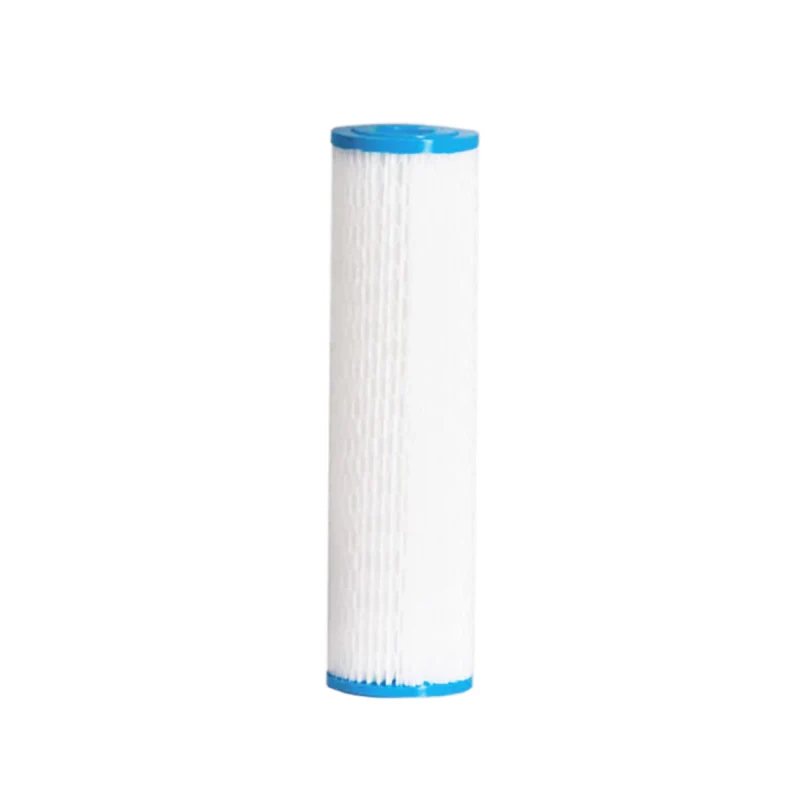
Standard 10 x 2.5 inch pleated poly cartridge rated at 20 micron. It is the first-stage pre-filter that removes larger sediment before the high-pressure pump, and it can be rinsed and reused.
Explore →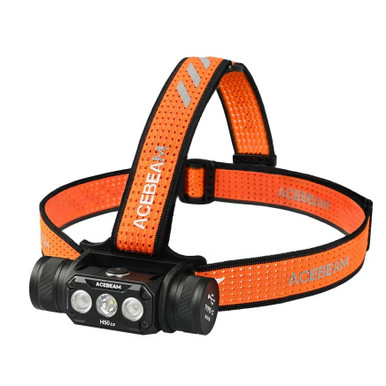
A 2000 lumen headlamp with spot and flood beams, rated IP68 and submersible to 2 metres, with a 141 metre beam and up to 30 hours on low.
Explore →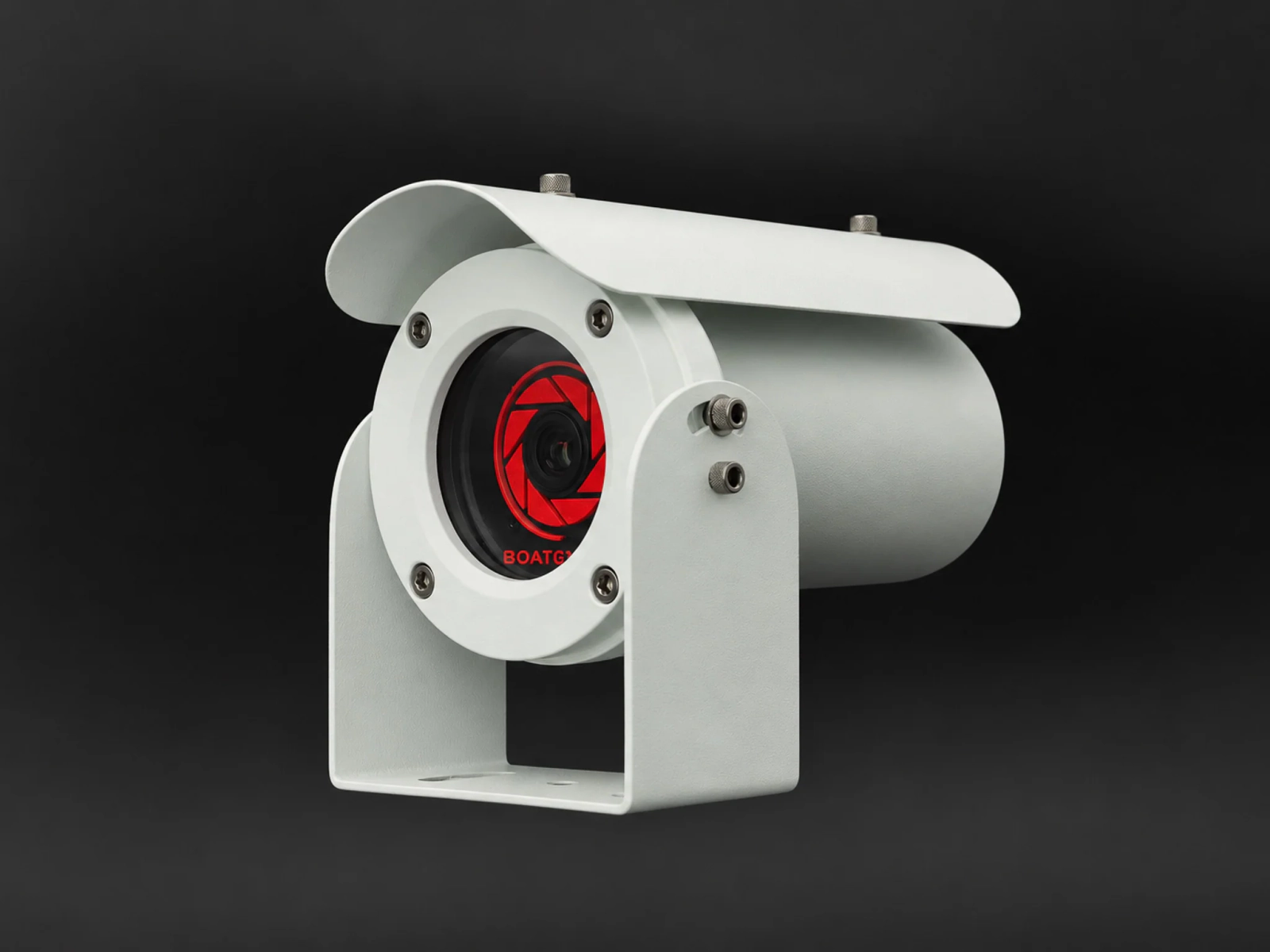
The original BoatEye360 full-colour low-light camera: the same 0.0001 lux sensor as the V2 in a larger 316L stainless housing, with HDMI and analog output, at a lower price.
Explore →