Loading this page…

Loading this page…
About
A full-size replica brig at Hobart's Elizabeth Street Pier, crewed by volunteers, offering 90-minute Derwent sails, group charters and multi-day voyages around south-east Tasmania.
Service area: Hobart and south-east Tasmania
Lady Nelson is a two-masted, square-rigged tall ship: a full-size replica of the original brig, built in Tasmania in 1988 and based at Elizabeth Street Pier on the Hobart waterfront. Short 90-minute Derwent sails usually leave at 11am and 1pm on weekends, with adult, child and family fares. The ship can also be hired for school groups, social and corporate functions, weddings, children's pirate sails and history tours.
She is run by the Tasmanian Sail Training Association and crewed entirely by trained volunteers. Between September and March she makes adventure voyages of two to seven days to the D'Entrecasteaux Channel and Bruny Island, Frederick Henry and Norfolk Bays, and the east coast, sleeping up to 10 passengers with meals included. Guests can take the helm, handle sails, climb the rigging or simply watch for dolphins and seals.
Short sails suit families and visitors wanting a hands-on taste of square-rig sailing, and voyages suit small groups happy with shared bunks. Charters carry a minimum fee, and routes depend on weather and volunteer crew availability.
Keep exploring
Claim this listing to manage its contact details, profile and photographs yourself. You will need a free account; a YouSail administrator reviews every claim.
Claim this listing
Tasmania has a mix of state marine parks, local harbour bylaws and environmental protections that affect where and how you anchor—so check the specific area’s rules before you go, aim to use designated anchorages or soft seabeds, and follow standard anchoring and biosecurity good practice.
Explore →
Treat Tasmanian waters as cold year-round: prevent immersion where possible, wear appropriate layers and a lifejacket, carry reliable distress equipment, and have clear procedures to recover and rewarm anyone who gets wet.
Explore →
Late spring to summer is usually the best time for beginners to start learning to sail in Tasmania because the weather is generally warmer, days are longer and conditions are often more settled. Expect lighter to moderate winds with regular afternoon sea breees in summer, while spring and autumn bring more changeable and sometimes stronger conditions; winter is colder, wetter and typically windier with more fronts and swell.
Explore →
Activate an EPIRB or PLB only when you are in grave or imminent danger and need search and rescue; use VHF and contact Marine Rescue for urgent help, to request assistance, or to relay information when you have time-critical but non-life-threatening problems.
Explore →A practical guide for recreational sailors planning short trips or multi-day cruises around Port Stephens, the Myall Coast and nearby offshore waters. Covers local geography, common conditions, navigation considerations, anchoring and mooring tips, and safety checklists tailored to Australian conditions.
Explore →A practical guide for recreational sailors planning day sails or short cruises around Batemans Bay, Broulee and the Clyde River. Covers local conditions, safe approaches, anchorages, launching, tides, common hazards, and checklists for trip planning and on-water decisions.
Explore →
A practical, Australia-focused guide for planning and sailing around the Whitsunday Islands: weather and seasons, navigation and anchoring, moorings and parks, provisioning and charters, safety and common mistakes, plus checklists and next steps.
Explore →A practical guide for recreational sailors planning trips in Jervis Bay. Covers typical weather patterns, sheltered anchorages, common hazards, marine park considerations, anchoring techniques and sensible trip planning for day sails and short cruises.
Explore →
Push-to-talk radio that uses 4G mobile networks where there is coverage and a built-in 16-channel analog radio where there is none, with GPS and SOS. Sold as a two-pack.
Explore →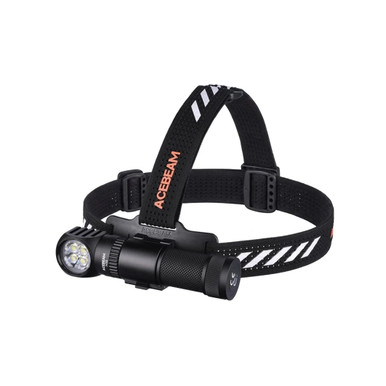
A 4000 lumen quick-detach headlamp with a magnetic base and a red light, powered by a 6400 mAh 21700 battery with USB-C charging.
Explore →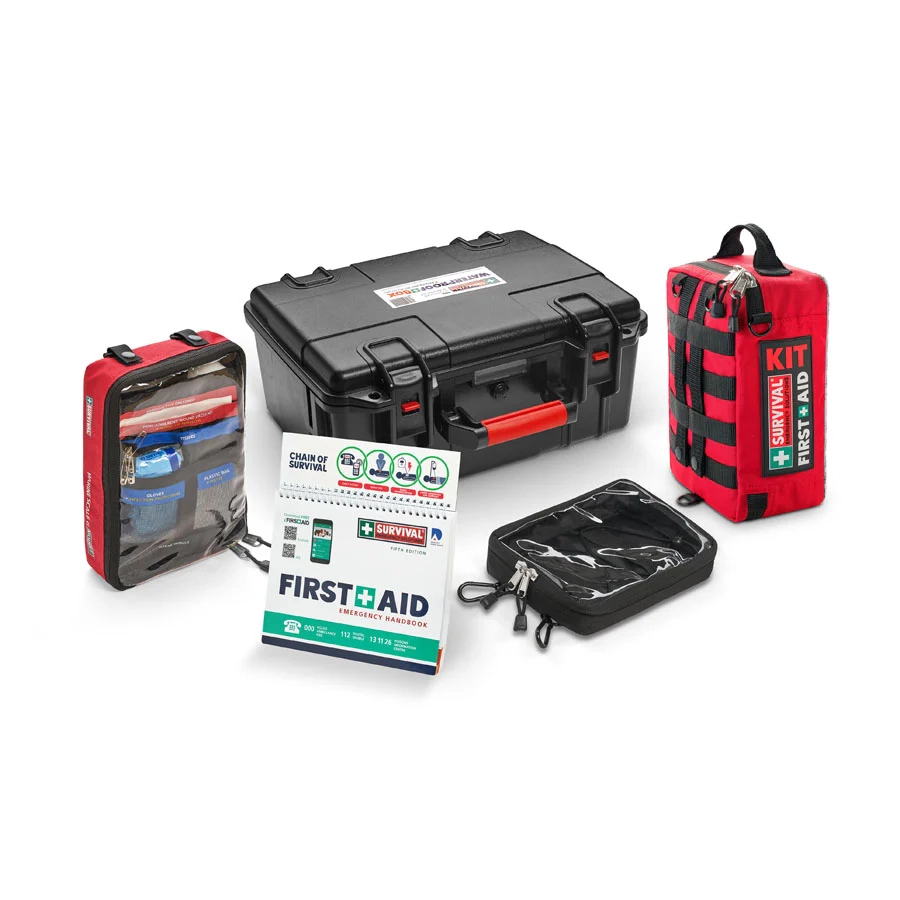
A 142-item marine first aid kit built around the Australian Scale G requirement, with a workplace kit, a Scale G module and a handbook packed in a large waterproof box.
Explore →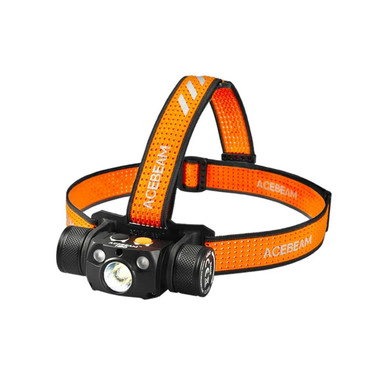
A 4000 lumen rechargeable headlamp with red and green secondary lights, a 208 metre beam, a 5100 mAh 21700 battery and USB-C charging.
Explore →