Loading this page…

Loading this page…
About
Hobart's wooden tall ship, run by a youth charity, offering three-hour Derwent day sails, private charters and eight-day Port Davey expeditions for up to 10 guests.
Service area: Hobart, the River Derwent and Tasmania's south-west
Windeward Bound is a wooden brigantine based in Hobart. Public day sails of about three hours run on the River Derwent on Fridays, Saturdays and Sundays, with adult, child and family fares. The ship can also be chartered for birthdays, weddings, corporate team-building and office parties, and twice a year she sails an eight-day, all-inclusive expedition to Port Davey for up to 10 guests.
She was built in Hobart from Tasmanian eucalypt, Huon pine and Oregon, to plans based on an 1848 Boston topsail schooner, and launched in 1996. She is 33 metres overall with a 25-metre mainmast and has sailed more than 100,000 nautical miles. The Windeward Bound Trust, a registered charity, runs the ship, and charter income supports youth sail training for 14 to 18 year olds.
Day sails suit families and first-timers, who can help sail or simply enjoy the views, while the Port Davey voyages suit people after a remote wilderness trip. Children 14 and under must be accompanied by an adult, and Port Davey places are limited, so book early.
Keep exploring
Claim this listing to manage its contact details, profile and photographs yourself. You will need a free account; a YouSail administrator reviews every claim.
Claim this listing
Late spring to summer is usually the best time for beginners to start learning to sail in Tasmania because the weather is generally warmer, days are longer and conditions are often more settled. Expect lighter to moderate winds with regular afternoon sea breees in summer, while spring and autumn bring more changeable and sometimes stronger conditions; winter is colder, wetter and typically windier with more fronts and swell.
Explore →
In gusty, changeable Tasmanian winds, approach docks or a alongside berth slowly on a controlled angle, keep propulsion and steerage ready to counter gusts, use crew to control fenders and lines, and choose a lee side or sheltered spot where possible. Prioritise maintaining steerage and being able to power off quickly rather than trying to hold a precise position with engines idle.
Explore →
Plan the crossing as a deliberate offshore passage with a chosen route that reduces exposure, a weather window that keeps wind, swell and fronts well offshore, and firm alternates and abort points — using up-to-date synoptic and high‑resolution marine forecasts plus local observations to time departure and arrival.
Explore →
Activate an EPIRB or PLB only when you are in grave or imminent danger and need search and rescue; use VHF and contact Marine Rescue for urgent help, to request assistance, or to relay information when you have time-critical but non-life-threatening problems.
Explore →
A calm, practical guide to get you ready for your first day sail in Australia. Covers what to pack, simple boat checks, reading the weather, basic crew communication and when it's better to postpone.
Explore →A practical guide for recreational sailors planning voyages to Esperance and the Recherche Archipelago: what to expect, key planning considerations, common anchorages, safety and communications, equipment recommendations and sensible steps for a successful trip in this remote southern WA cruising area.
Explore →
A practical step‑by‑step guide to planning a safe, realistic coastal sailing passage in Australian waters: choosing a route, estimating distance and time, checking weather and tides, fuel and daylight planning, identifying safe harbours and anchorages, and preparing backup plans.
Explore →A concise, practical introduction to the essential parts of a recreational sailing boat for beginners in Australia. Covers hull, deck, rigging, sails, steering, below-decks spaces and safety equipment, with simple explanations, common mistakes and a pre-sail checklist to help new sailors communicate and get underway.
Explore →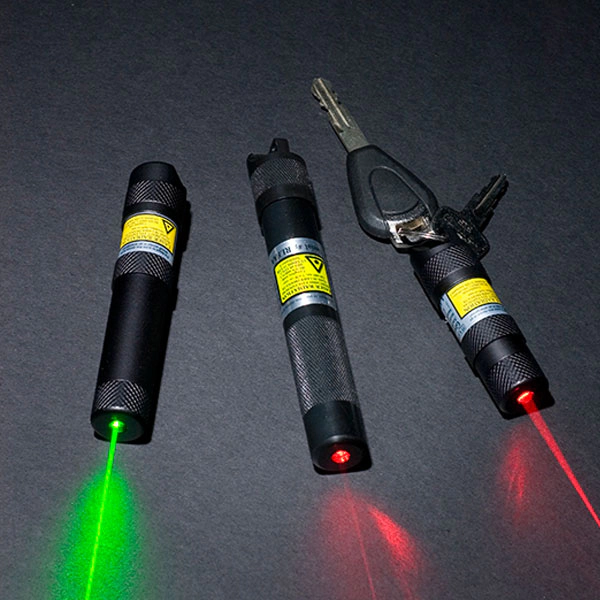
Hand-held, non-flammable laser signalling devices for day and night use, in red, green and Magnum versions, waterproof to 24 m and running for 5 to 72 hours on a battery.
Explore →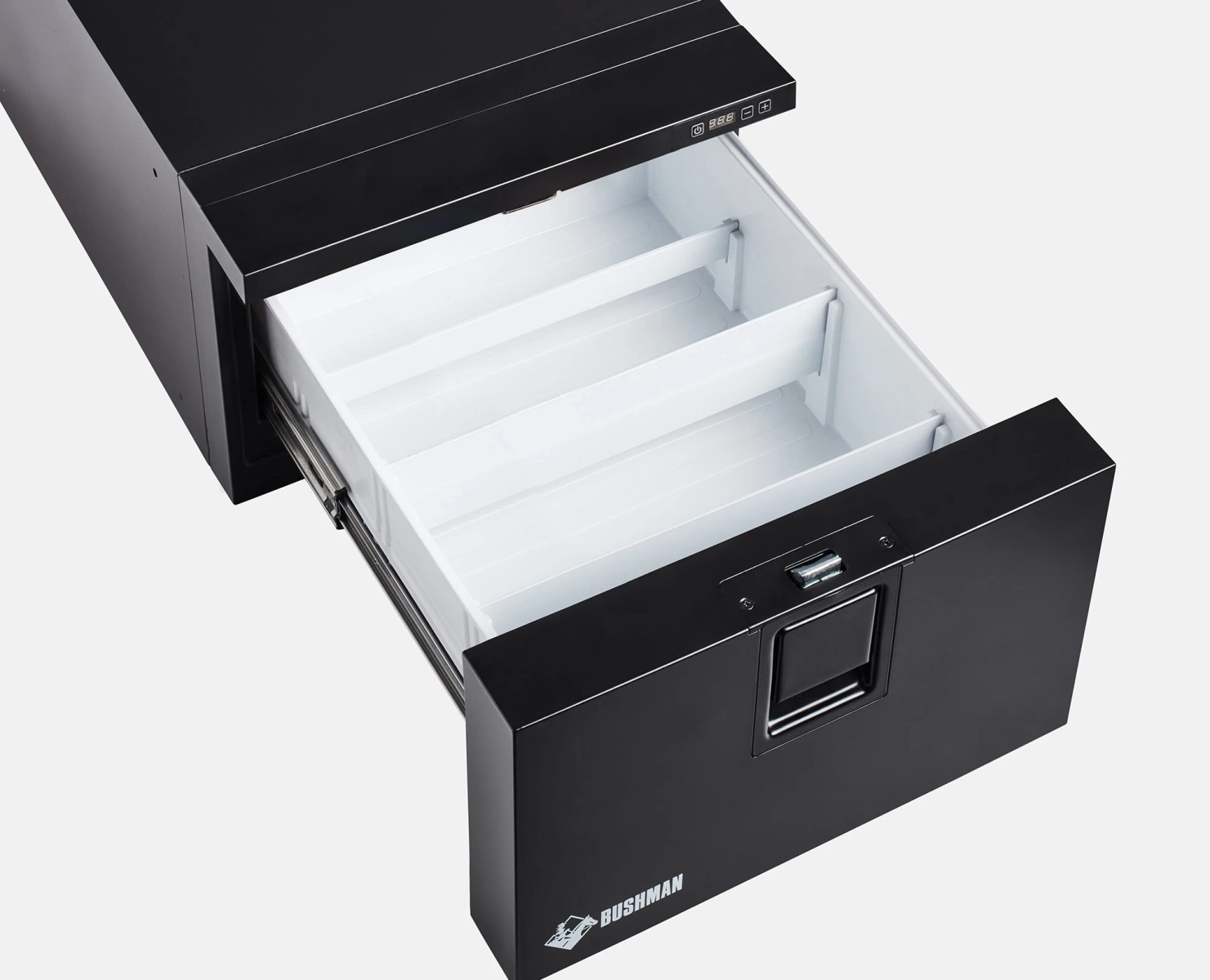
A 40 litre 12/24 V drawer fridge with a Secop Danfoss BD50K compressor, a 35 litre drawer tub, freezing to minus 10 degrees in up to 40 degree heat and a seven-year compressor warranty.
Explore →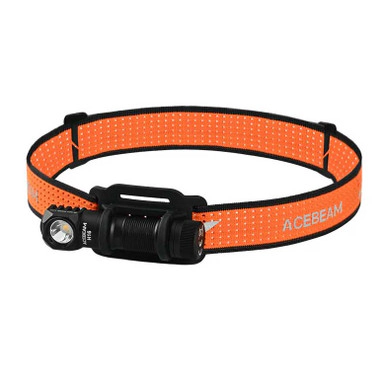
A lightweight headlamp that runs on one AA-size cell, giving up to 1000 lumens, a 105 metre beam and up to 58 hours of run time, rated IP68.
Explore →
Push-to-talk radio that uses 4G mobile networks where there is coverage and a built-in 16-channel analog radio where there is none, with GPS and SOS. Sold as a two-pack.
Explore →