Loading this page…

Loading this page…
Marina service
About
Mandurah Ocean Marina is a public marina precinct in Mandurah with managed berthing, fuel, pump-out, repair/boatyard support and close access to the Peel waterways.
Service area: Mandurah, WA
Keep exploring
Use this listing for Mandurah's central ocean marina precinct. The City of Mandurah lists marina information and contacts, and marina directories note facilities such as fuel, sullage/pump-out, boat ramp access and nearby marine trades. It suits recreational owners cruising the Peel-Harvey waterways, Dawesville Channel and the local coast, with skippers confirming berth availability and any haul-out or repair needs directly before arrival.
North Harbour's 313 recreational floating pens run from 8 to 20 metres, each berth served by an electricity, water and lighting bollard, with secure gatehouse entry, security patrols and a pen-holder amenities block with toilets, showers and laundry. The 36 commercial pens, from 10 to 20 metres, have the same berth services plus coded gate entry, oil recycling facilities and a sullage pump-out. South Harbour's 18 pens are all 10-metre recreational berths with security patrols, while Mary Street Lagoon holds 58 recreational pens of 8 to 10 metres.
Pen licences are administered by the city, fees are published annually and waiting lists apply to popular sizes. The working end of the marina is North Harbour's marine business cluster: boat lifters and stackers provide haul-out and dry storage, and the precinct hosts a chandlery, shipwright, vessel and engine repairs, marine electronics, a trimmer and upholsterer, and boat brokers, with fuel and sullage pumps available to boat users.
A public boat ramp serves trailer boats, and the marina administration office sells fenders and boating power cords alongside handling pen hire. The harbour also concentrates the region's marine agencies: Mandurah Sea Rescue, the Water Police, and the marine arms of the Department of Transport and fisheries authorities all operate from the precinct, which makes the marina something of a nerve centre for Peel region boating. Fishing is prohibited from the pens and marina facilities, a rule the council enforces with signage.
Taken together, the arrangement lets an owner berth, fuel, pump out, haul, repair, insure and sell a boat without leaving the harbour, which is precisely why pen waiting lists persist despite Mandurah's sprawl of canal moorings.
The marina sits at the seaward end of the Mandurah Estuary entrance channel, the cut through the northern end of the Peel Inlet that connects the whole Peel-Harvey system to the ocean. Skippers heading out pass the city foreshore to starboard and the North Harbour breakwater to port; the entrance is well marked but the channel is shallow in patches, the ebb can run hard, and bar-like conditions develop when swell meets an outgoing tide, so timing the tide is standard practice for deeper boats.
Inside, the Peel-Harvey estuary offers more than 130 square kilometres of shallow sheltered boating: the Serpentine and Murray rivers wind inland, blue swimmer crabs fill the shallows from late spring and the annual Crab Fest celebrates the catch, and the Dawesville Cut four kilometres south provides a second, deeper ocean entrance completed in 1994. Bottlenose dolphins work the entrance and canals daily, and the council asks boaters to report distressed animals to the volunteer dolphin rescue group.
Provisioning could hardly be easier: Dolphin Quay's market and eateries sit beside the pens, the city centre is a short walk over the footbridge, and marine trades are on site. Visitors should note the estuary's speed limits, the crabbing crowds in January, and the winter storms that close out the entrance; the marina itself is snug behind the breakwater in any weather. Perth is about an hour north by freeway, and the railway makes crew logistics simple.
For yachts working the coast, Mandurah is a useful refuge between Fremantle and Bunbury, though entry in heavy westerly weather is best left to local knowledge; waiting offshore for the tide to turn is the conservative call, and Sea Rescue monitors the standard channels for arriving boats.
Satellite imagery at four heights, from the wider harbour to the berths.
Recently received AIS vessel positions around Mandurah Ocean Marina. The traffic display loads automatically.
Live traffic will appear after Mandurah Ocean Marina has verified map coordinates.
Batemans Bay and the Clyde River form a classic NSW South Coast cruising region where a sheltered, tidal estuary meets a short, island‑dotted entrance to the Tasman Sea. It’s distinctive for easy access from Canberra, a mix of river and bay sailing, a compact marina and mooring network, and a river entrance (the Clyde River bar) that can change rapidly. The area suits day sails, weekend cruising, trailer‑boat exploration and sheltered coastal passages; offshore or long‑passage plans require careful timing and local knowledge. Preparation for tidal flow, variable southerly swells and shallow, s

Pick a protected bay, estuary or river reach where you can rig, launch and arrive on calm water within a short, sheltered transit; choose a site with a good ramp or jetty, clear recovery options and a nearby sailing club, marina or commercial operator for local knowledge and help.
Explore →
Plan passages across Spencer Gulf or to Kangaroo Island by basing fuel on your boat’s actual consumption plus a generous reserve, choosing sensible staging/stop options that match your boat and crew, and prioritising shelter and weather windows (gale fronts, strong winds and tidal streams can make the gulf uncomfortable or unsafe). Confirm fuel availability, safe anchorages or marinas on your route, and check up-to-date local weather, tide and navigation information before you go.
Explore →
Plan as a chain of conservative daily legs tied to your boat’s real-world fuel and speed in the expected sea state, with confirmed primary and alternate anchorages/berths, fuel legs and back-up fuel options, and a documented emergency/diversion plan (comms, tow and med-evac). Build tidal and weather gates into each leg and carry chart and comms redundancy.
Explore →
Tidal streams and local wind patterns can change trip time, fuel use, helm balance and safety margins on short coastal runs — plan your departure and route to use favourable tidal flow, allow margin for wind-driven sea and gusts, and check up-to-date local tide and weather information before you go.
Explore →A practical guide for recreational sailors planning voyages to Esperance and the Recherche Archipelago: what to expect, key planning considerations, common anchorages, safety and communications, equipment recommendations and sensible steps for a successful trip in this remote southern WA cruising area.
Explore →A practical guide for recreational sailors on using VHF marine radios safely and effectively in Australian waters: basic operation, channel use, emergency procedures, DSC basics, common mistakes and a ready checklist for pre-departure and on-water use.
Explore →A practical guide for recreational sailors planning visits to Albany and King George Sound. Covers the main anchorage areas, typical local weather patterns, tidal and current considerations, navigational hazards, on-the-water etiquette and a pre-departure checklist to help you plan a safe passage and enjoyable stopover
Explore →A concise, practical introduction to the essential parts of a recreational sailing boat for beginners in Australia. Covers hull, deck, rigging, sails, steering, below-decks spaces and safety equipment, with simple explanations, common mistakes and a pre-decast checklist to help new sailors communicate and get underway.
Explore →Burke Yachtsman Gear Bag 40L - Shop Now Zip Pay | Tamar Marine Skip to content 59 – 63 Holbrook Street, Invermay Online Shop Open 24/7 Products search Contact us 1300 MARINE $ 0.00 0 Cart Burke Yachtsman Gear Bag 40L $ 79.90 Colour Choose an option Black Blue Black Blue Clear - Burke Yachtsman Gear Bag 40L quantity + Add to cart Enquire about this product SKU BAGB-Y24/BLACK* Category Bags - Sail & Gear A Burke classic and customer favourite, the Yachtsman’s Gear Bag is built tough to handle wet, salty conditions while keeping your gear dry and protected. Made from double coated waterproof…
Explore →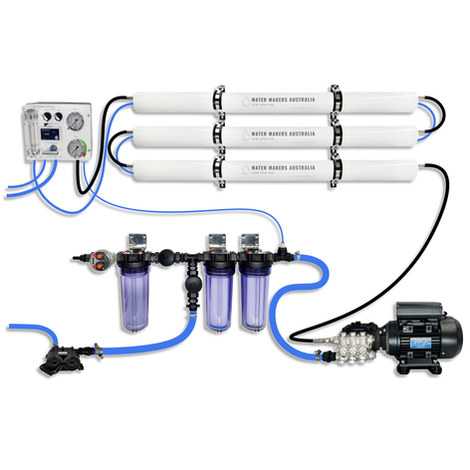
A three-membrane modular watermaker with 200 L/h nominal output and up to 240 L/h family-level marketing, for larger crews and heavy use.
Explore →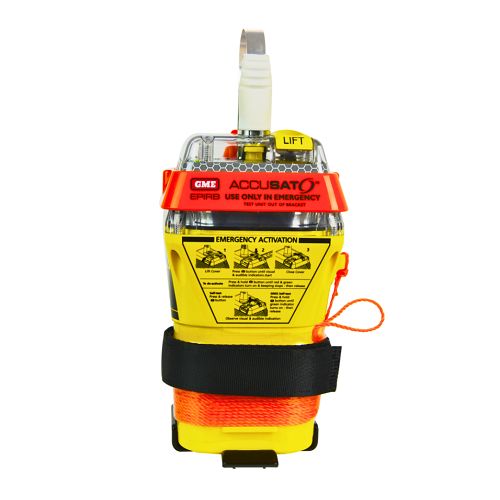
A 10‑year battery EPIRB with integrated GNSS (supports GPS and Galileo), infrared strobe and 121.5 MHz homing signal. Approved for worldwide COSPAS‑SARSAT operation.
Explore →
Self-contained, battery-powered plug‑and‑play autopilot designed for standard hydraulic steering systems.
Explore →