Loading this page…

Loading this page…
Marina service
About
Marina St Vincent, also known as Wirrina Marina, is the Wirrina Cove marina on Gulf St Vincent, with casual berthing, boat-ramp access and serviced berths.
Service area: Wirrina Cove; Fleurieu Peninsula - Gulf St Vincent, SA
Keep exploring
Marine Safety SA notes boat-ramp and casual-berthing fees at Wirrina Marina / Marina St Vincent, while marina references point to power and water at berths, CCTV/security and practical visitor amenities. Confirm current berth availability and fees before visiting.
The state government resumed management in March 2020, spent two years restoring pontoons, CCTV coverage and fire emergency capability, and from 1 July 2022 reintroduced fees collected by the contracted on-site manager, MSV Management, whose office takes card and cash payments during business hours. The 2023-24 published schedule charges casual berthing by length: vessels to 14.9 metres pay $50 overnight, with weekly rates from $125 for under 10 metres rising to $193 for 17 to 20 metres, and monthly rates from $244 to $319.
Larger casual vessels of 15 metres and over pay $67 overnight. Every berthing fee includes berth mooring, water, power, garbage disposal, pump-out and temporary car parking, which makes the marina comparatively good value against Adelaide facilities. Permanent berthing is also available by arrangement with the marina manager, Doug Chapman, on (08) 8598 3115 or 0473 881 525.
The double concrete boat ramp operates on a ticketing machine at $10 per single use, with annual commercial ramp access at $525 for fishing businesses and $1,050 for charter operators berthing in the marina. A fuelling station serves the basin, waste oil disposal is provided, and there are working pontoons for loading and maintenance alongside the main berthing arms. Amenities include toilets, showers and a laundry, with CCTV covering berth locations around the clock and gated access to the piers.
There is no travel lift, slipway or hardstand within the marina, so haul-outs mean a passage north to Adelaide yards or arrangements with contractors at nearby ramps. Long-term berth holders should confirm current conditions with MSV Management, as fee reviews follow the state budget cycle each July.
The entrance sits at roughly 35 degrees 30 minutes south, 138 degrees 14.35 minutes east, cut straight into the coast with rock breakwaters; the published position is for reference, not a waypoint, but the harbour is visible from well offshore and entry is uncomplicated in normal conditions. Once inside there is shelter from all directions, though strong south-westers funnel a noticeable surge through the entrance, and extra fenders are worth rigging in a blow.
The surrounding coast is open roadstead, which is why the marina earns its keep: Second Valley, a few minutes south, anchors comfortably in 6 metres over sand in north-east through east to south weather, and Rapid Bay further on offers the same pattern with the caveat of violent offshore gusts pouring down the valley. Adelaide sailors bound for Kangaroo Island, about 70 nautical miles across Backstairs Passage and Investigator Strait from the metro coast, commonly stage through Wirrina, and the Cape Jervis ferry terminal lies a short run south.
There are no shops at the marina itself; the New Terry Hotel and golf resort up the hill provides meals, and the Wirrina Cove Holiday Park takes overflow crew, while Normanville, about seven kilometres north, has the nearest supermarket, bakery and fuel. A daily bus to Adelaide has historically passed on the highway, but it is a long walk up from the marina and cruisers should not plan around it.
Fishing from the ramp and marina is productive, with squid over the inshore weed, whiting on the sand flats of Yankalilla Bay and the gulf's broader grounds within easy trailer-boat range. The HMAS Hobart lookout on the Normanville road commemorates the destroyer scuttled off Yankalilla Bay as a dive wreck.
Satellite imagery at four heights, from the wider harbour to the berths.

Expect light to moderate, thermally-driven sea breezes in summer with afternoon strengthening; more changeable and often stronger winds with frontal systems in autumn and spring; and the windiest, roughest conditions in winter when cold fronts and sou’westers are most frequent. Gulf St Vincent is more sheltered than the exposed coast but can still produce steep chop and sudden changes near Adelaide and headlands.
Explore →
Use ramps and beaches with respect for local conditions: check ramp layout, tide and swell, wind direction, vehicle access and crowding; prepare boat and crew before you launch or retrieve; and follow local signage, courtesy and safety practices. Specifics vary by ramp and beach, so confirm details for the exact site before you go.
Explore →
Local rules, marine‑park zoning and permit needs vary by reserve around South Australia’s coast — check the relevant marine park zoning map and SA Department for Environment and Water (DEW) information for the exact area before you go.
Explore →
Anchor in rocky coves, sandy bays and tidal flats by choosing the right ground and anchor, giving plenty of scope, setting the anchor slowly and testing it, and planning for tidal change and swing room.
Explore →Practical guide for recreational sailors approaching Fremantle Harbour: what to expect on the approaches, local weather and tidal influences, navigational considerations, berthing and facilities, communications and safety checks, common mistakes and sensible next steps.
Explore →Practical guide for recreational sailors planning passages, anchorages and visits to Ningaloo Reef and the Exmouth coast. Covers anchoring considerations, marine park rules and how local weather, tides and currents affect safety and enjoyment.
Explore →Practical guide for recreational sailors navigating the Swan River and coastal waters around Perth. Covers local weather patterns, tides and currents, river navigation, launching and berthing options, safety equipment, common hazards, and step-by-step pre-departure and on-water checklists tailored to Western Australian
Explore →
A practical guide for new sailors on picking the right Australian sailing club: training, boat access, racing, social fit, costs and the key questions to ask before joining.
Explore →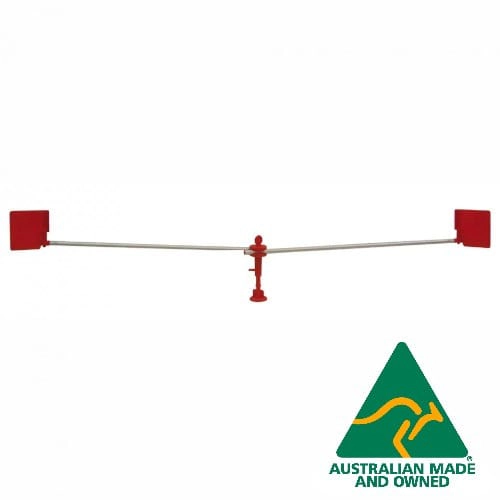
Wind-driven bird repeller with 2 metre rotating arms that keeps birds from roosting on hardtops, biminis, booms and decks. UV stabilised, with a bayonet base and a 12 month warranty.
Explore →
Push-to-talk radio that uses 4G mobile networks where there is coverage and a built-in 16-channel analog radio where there is none, with GPS and SOS. Sold as a two-pack.
Explore →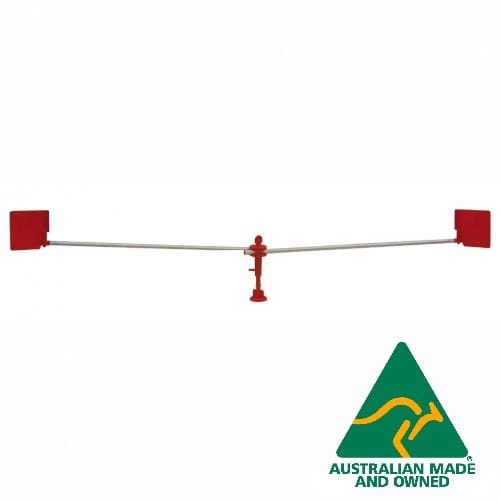
Wind-driven bird repeller with 1 metre rotating arms for smaller areas such as a boom, a solar panel or a small bimini. UV stabilised, with a bayonet base and a 12 month warranty.
Explore →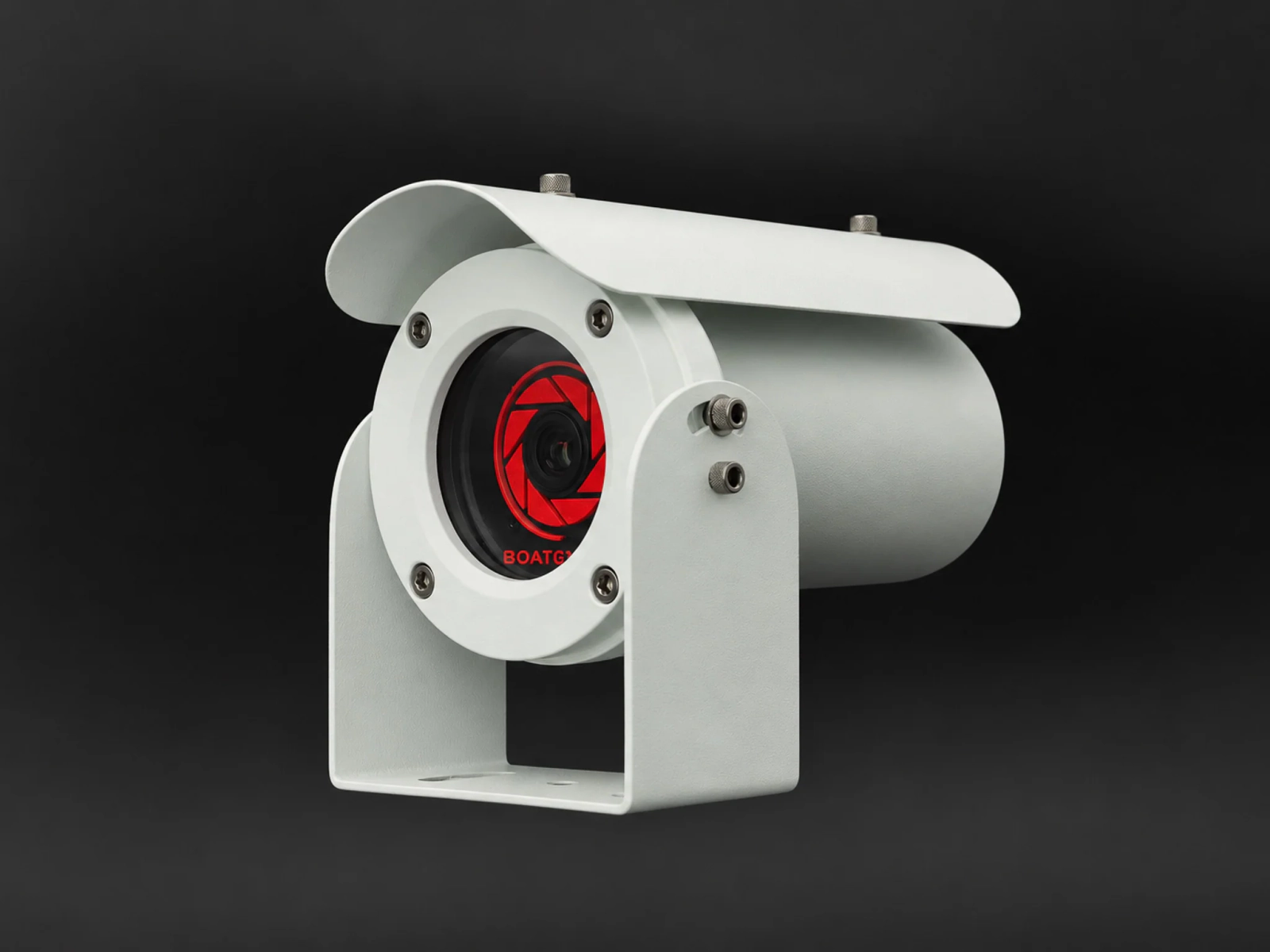
The original BoatEye360 full-colour low-light camera: the same 0.0001 lux sensor as the V2 in a larger 316L stainless housing, with HDMI and analog output, at a lower price.
Explore →