Loading this page…

Loading this page…
Sailmaker
About
Nautical Marine Trimming in Mona Vale combines more than 30 years of marine-trimming experience with a close connection to sailmaking through OneSails Sydney. Its work ranges from yacht covers and upholstery through to larger custom and superyacht protection projects.
Service area: Pittwater, Sydney, New South Wales and larger yacht projects
Nautical Marine Trimming in Mona Vale combines more than 30 years of marine-trimming experience with a close connection to sailmaking through OneSails Sydney. Its work ranges from yacht covers and upholstery through to larger custom and superyacht protection projects.
Nautical Marine Trimming currently offers Yacht covers; superyacht covers; marine upholstery; clears; exterior trimming; sailmaking through OneSails Sydney. The workshop or operating location is 4B Wilmette Place, Mona Vale NSW 2103, with service coverage described as Pittwater, Sydney, New South Wales and larger yacht projects. Current company material explicitly identifies marine or boating work in the areas of yacht covers; superyacht covers; marine upholstery; clears; exterior trimming; sailmaking through onesails sydney.
Clear panels and enclosures are most successful when the layout balances visibility, ventilation and weather protection while avoiding folds or contact points that can scratch the clear material. Marine upholstery should be considered as a system of covering, thread, foam, backing and drainage; replacing only the visible vinyl can leave old waterlogged or collapsed foam underneath.
For sailing yachts, coordination between sails, boom bags, lazy jacks, dodgers and running rigging can prevent one refit item from interfering with another.
Keep exploring
Marine canvas, upholstery, boat covers, yacht rigging or related work is central to the business rather than a minor side service. Owners can approach the company with a boat-specific job and expect the project to be assessed in the context of marine exposure, onboard use and vessel layout.
For trimming work, photographs are useful for an initial conversation, but custom canvas and upholstery normally need accurate measurement or patterning on the actual boat. The quote should identify the fabric or vinyl, thread, clear material, foam where relevant, zippers, fasteners, frame work and whether removal and installation are included. Boat-specific work should be quoted against the actual vessel wherever possible.
Dimensions, access, existing fittings, condition of mounting points and the amount of removal, repair or fabrication required can materially change the job. For canvas and upholstery, material selection should consider UV exposure, salt, moisture, ventilation, cleaning and how the item will be stored. For rope and rigging, line construction, diameter, stretch, chafe, working load and compatibility with winches, clutches, sheaves or terminals all matter.
Nautical Marine Trimming is relevant to boat owners in Pittwater, Sydney, New South Wales and larger yacht projects.
Ashmore Reef is a remote, uninhabited oceanic reef and low-lying island group in the Timor Sea that offers a stark, conservation-led sailing environment rather than typical recreational cruising. It is distinctive for its exposed coral reef, vegetated sand islands and strong legal protections, including tightly controlled access and traditional Indonesian fishing arrangements. Visiting from a recreational yacht is logistically challenging, subject to regulatory limits, and suited only to well-prepared offshore passages or research/management charters rather than casual day sails.

Legal requirements can change — check Transport for NSW for the current rules. As a practical baseline for coastal day sailing from NSW shores: keep the right number and type of lifejackets for everyone, have a means of calling for help, show navigation lights if you’ll be out after dusk, and carry basic items to manage a man‑overboard or abandon‑ship situation. Add anchor, bilge/bailer, sun/protection and basic repair kit as recommended items.
Explore →
Plan to transit Sydney Heads and northern NSW estuary entrances to take advantage of favourable tidal streams or slack water; account for local acceleration over shoals, eddies, wind-on-current effects and river discharge, and always check the latest local observations and tide/stream products before departure.
Explore →
Usually not for a small sailing dinghy. In NSW a boat driving licence is needed only to drive at 10 knots or more, or to drive a personal watercraft, and a vessel must be registered if it has an engine of 4 kW or more, is 5.5 m or longer, or needs a mooring licence or marina berth. A trailer towed on public roads needs its own registration.
Explore →
Expect the usual IALA-B lateral system (red and green), cardinal and isolated-danger marks, safe-water and special marks, plus harbour-specific fairway buoys, leading/transit marks and exclusion or speed‑limit buoys. Check local harbour charts and Notices to Mariners for exact positions and light characteristics before entry.
Explore →A concise, practical introduction to the essential parts of a recreational sailing boat for beginners in Australia. Covers hull, deck, rigging, sails, steering, below-decks spaces and safety equipment, with simple explanations, common mistakes and a pre-sail checklist to help new sailors communicate and get underway.
Explore →Practical, safety-focused cruising guidance for recreational sailors planning a coastal voyage from Sydney to Eden. Covers trip planning, common routes, weather and tidal considerations, safe anchorages and ports of refuge, provisioning, and sensible watchkeeping for Australian conditions.
Explore →
A concise, practical guide to the points of sail and how to trim sails effectively for common Australian conditions. Learn the basics of wind angles, sail shape, telltales, reefing considerations and simple steps to improve boat speed and balance.
Explore →Practical guide for recreational sailors planning a coastal cruise from Sydney north to the Queensland border. Covers route options, weather and tidal considerations, planning checklists, common hazards, anchorages and practical examples for a safe, enjoyable trip.
Explore →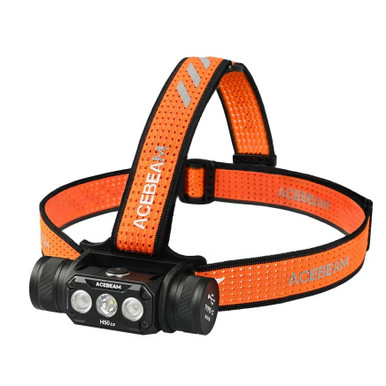
A 2000 lumen headlamp with spot and flood beams, rated IP68 and submersible to 2 metres, with a 141 metre beam and up to 30 hours on low.
Explore →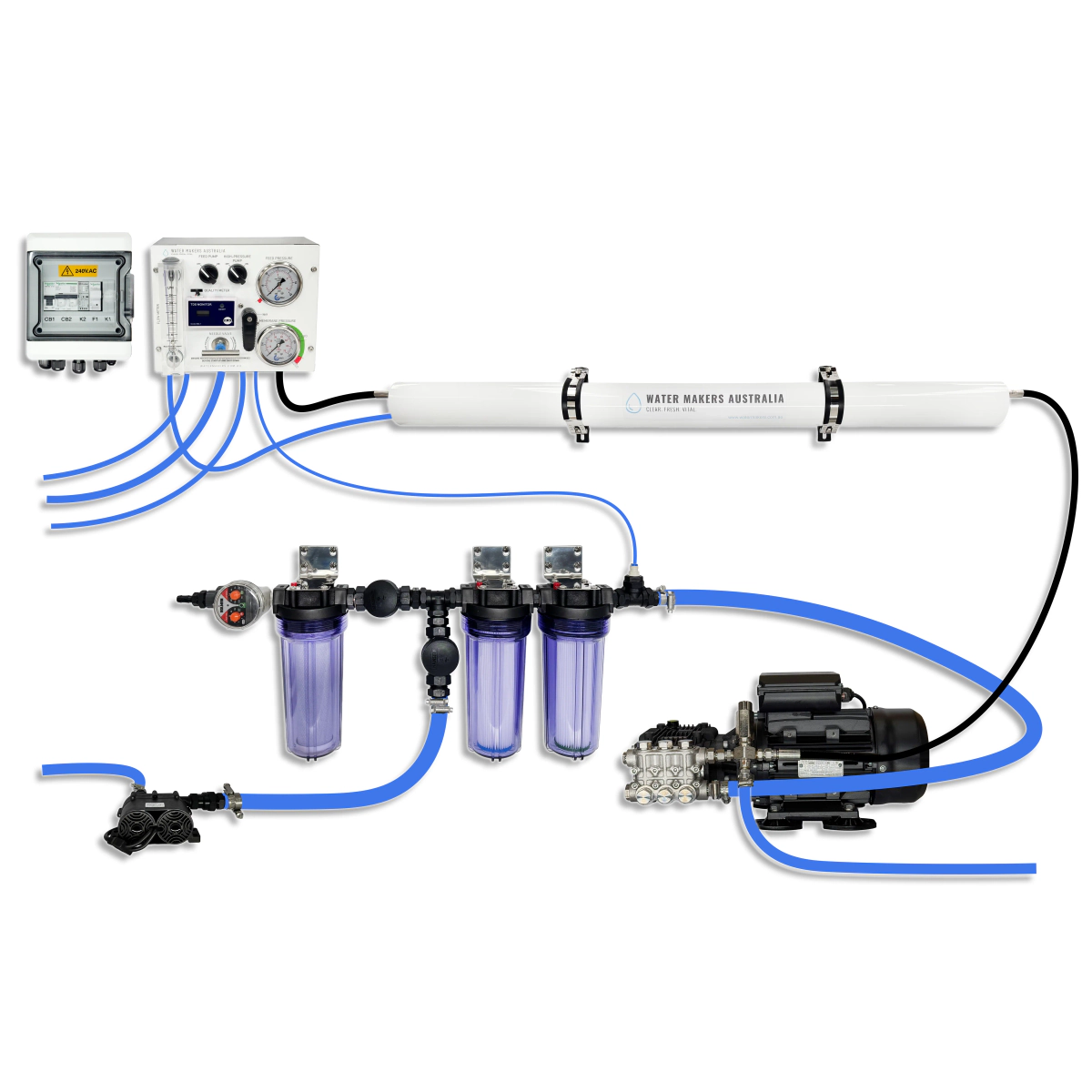
Single-membrane 240 V reverse-osmosis watermaker producing a nominal 80 L/h, built to order in Sydney for cruising boats of about 10 to 15 m with a generator or inverter.
Explore →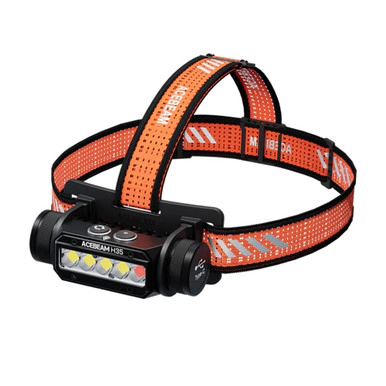
A 2600 lumen wide-beam headlamp with a red light, rated IP68 and submersible to 2 metres, with a 170 metre beam and USB-C charging.
Explore →
Metal-bodied 4G push-to-talk radio with GPS and SOS in the GPS variant and a lifetime SIM plan included. Sold as a two-pack.
Explore →