Loading this page…

Loading this page…
About
Odyssey Marine Electrical operates from Coomera and provides marine electrical installation, servicing and fault-finding for vessels in the Gold Coast marine precinct.
Service area: Gold Coast, Coomera and South East Queensland
Odyssey Marine Electrical operates from Coomera and provides marine electrical installation, servicing and fault-finding for vessels in the Gold Coast marine precinct.
For boat owners, the appeal is having the electrical and electronic sides of the vessel considered together—not as a collection of unrelated boxes and cables.
Odyssey Marine Electrical's published service information covers Marine electrical repairs, rewiring, batteries, charging, power systems, electronics, new installations, fault finding. That mix makes the business relevant for both fault-finding and planned upgrades, from sorting an unreliable circuit to modernising a larger onboard system.
Keep exploring
Marine electronics
Docherty Marine Electrics & ElectronicsCoomera, QLD5.0 · 5 Google reviews
View profileOwners can discuss the boat, the equipment already aboard and the outcome they want before settling on the right repair, replacement or upgrade.
Ask which equipment the team currently supplies and supports, especially when compatibility with an existing display, network, battery bank or charging setup matters.
Odyssey Marine Electrical works across Gold Coast, Coomera and South East Queensland. Its listed base is Unit 2/15 Gateway Ct, Coomera QLD 4209, Australia, which is handy context when arranging workshop work, a marina visit or mobile attendance.
Customer perspective
★ 4.3 · 38 Google reviews
“Jim & Ron are dedicated and thoroughly professional.”
“Jim gave great advice about my alternator problem and his suggestions didn’t include him getting directly involved. No wonder the “Women who sail Australia” recommended him effusively. Many thanks Jin. Rob Wiencke”
“I highly recommend Jim and his team for marine electrical work. They upgraded my battery and solar system on my catamaran and all their work is well thought out and of a very high standard. They did it on very short notice too but didn't rush any of their work to deliver a great end result.”
“Unreliable, left you hanging on doing any work. Didn't turn up after booking in the repairs due to larger work being accepted. Zero communication. I used Odyssey for years on my motor launch and experienced the above so many times I gave up, waste of time. The owner does not care about customer service or reputation.”
“Lodged a query about their service and never received a reply. Would have liked to find out more information on their advertised services concerning small boat electrical work.”

Open the BOM marine forecast and warnings for your specific boating area, check recent observations and gusts, scan radar/lightning for developing cells, and match forecast timing to your planned afternoon so you can reef early or delay if a shift, gusty change or thunderstorm is likely.
Explore →
Follow the basic COLREGs: keep a proper lookout, maintain safe speed and steering to avoid collisions, know which vessel ‘gives way’ and which ‘stands on’, use correct lights and sound signals, and keep clear of restricted waters and traffic lanes. Check local harbour rules and AMSA guidance for specifics.
Explore →
Systematically compare interfaces, communication protocols and power/ground characteristics, then bench-test or simulate before final installation — confirm physical connectors, NMEA (0183, 2000) and seatalk compatibility, autopilot control inputs, data sentence requirements, and electrical load/voltage behaviour.
Explore →
Use a sensible scope (line length), pick good ground, set the anchor with a controlled reverse to load it, and check you’re not dragging by noting fixed references and using a stern line or anchor alarm if needed.
Explore →Practical guide for recreational sailors planning passages, anchorages and visits to Ningaloo Reef and the Exmouth coast. Covers anchoring considerations, marine park rules and how local weather, tides and currents affect safety and enjoyment.
Explore →
A practical guide for recreational sailors planning trips on the Gold Coast Broadwater: key features, local weather and tide considerations, navigation tips, common hazards, equipment checklist and step‑by‑step trip planning tailored to Australian conditions.
Explore →
A practical guide for recreational sailors planning trips around the Capricorn Coast and Keppel Islands, covering seasonal considerations, common routes, anchorages, hazards, provisioning and sensible safety planning for Australian conditions.
Explore →A practical guide for recreational sailors on using VHF marine radios safely and effectively in Australian waters: basic operation, channel use, emergency procedures, DSC basics, common mistakes and a ready checklist for pre-departure and on-water use.
Explore →
A four-sticker pack (one F01, two F03 and one F09) that puts automatic fire suppression in the electrical panel, battery compartment, gas locker and engine space in one purchase.
Explore →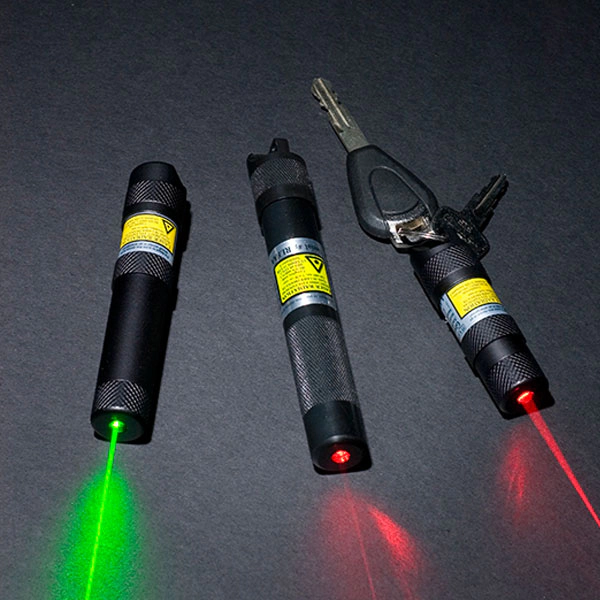
Hand-held, non-flammable laser signalling devices for day and night use, in red, green and Magnum versions, waterproof to 24 m and running for 5 to 72 hours on a battery.
Explore →
Peel-and-stick automatic fire suppressor for enclosed spaces up to 0.3 cubic metres, such as battery and electrical compartments. It activates at about 170 degrees Celsius with no power or wiring.
Explore →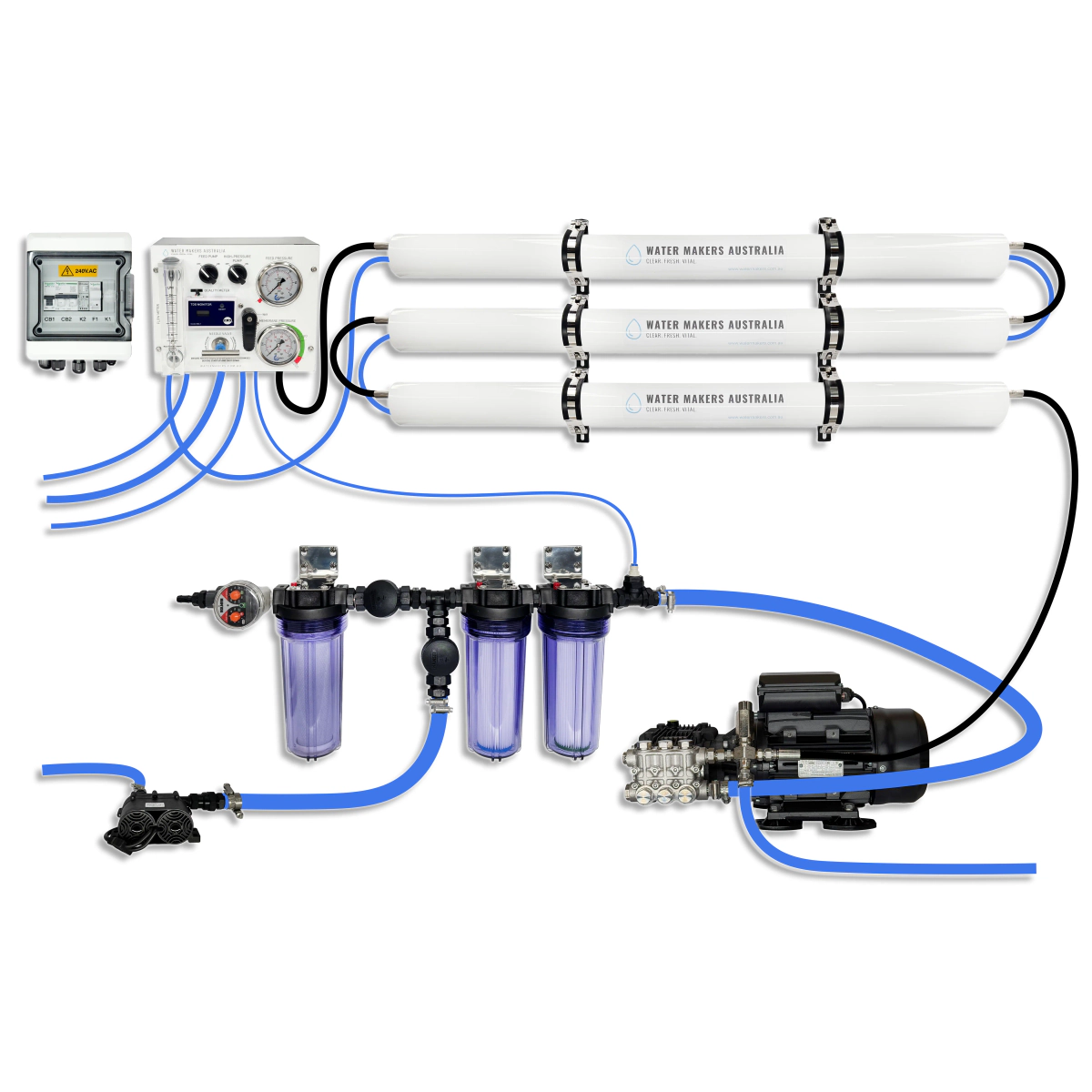
Triple-membrane 240 V reverse-osmosis watermaker producing a nominal 200 L/h, with manual controls, for liveaboard families, larger crews and charter boats from about 14 m.
Explore →