Loading this page…

Loading this page…
About
Port Gregory Maritime Facility is a distinctive Western Australian boating destination, bringing local fishing, the Hutt Lagoon region and remote coastal character together in one remarkable setting.
Service area: Port Gregory, Western Australia
Keep exploring
Port Gregory Maritime Facility connects local and visiting crews with Mid West coast. Its character comes from local fishing, the Hutt Lagoon region and remote coastal character, making the facility an authentic part of Western Australia’s exceptionally varied maritime landscape.
Whether used for fishing, cruising, commercial activity or an island stay, it provides a valuable point of access to the surrounding waterway.
The facility supports boating through harbour, marina or mooring access, with relevant shore-side services and regional marine capability nearby. Crews can prepare, provision and plan their next movement from a practical waterfront base.
The wider destination is central to the experience: local fishing, the Hutt Lagoon region and remote coastal character. Port Gregory Maritime Facility offers a natural starting point for exploring Mid West coast and the coast beyond.
Satellite imagery at four heights, from the wider harbour to the berths.
Kenn Reef is a remote coral atoll in the Coral Sea, far off the Queensland coast. A broken reef rim and a few sand cays enclose a lagoon, and reaching it is a long open-ocean passage.

There are legal obligations in Western Australia for recreational boat owners and skippers covering vessel registration, carriage of safety equipment and general skipper responsibilities, but the exact requirements depend on vessel type, size, where you sail and whether the vessel is commercial or recreational. Check the Western Australian Department of Transport (DoT WA) and the national authority for the precise checklist that applies to your boat and voyage.
Explore →
Expect very different seasonal systems across Western Australia: the south‑west (Perth to Albany) has a strong summer afternoon sea breeze (the “Fremantle Doctor”) and winter westerly fronts, while northern WA follows a wet/dry monsoonal cycle with strong seasonal onshore winds, thunderstorms and cyclone risk in the wet season. Local headlands, estuaries and tidal flows often change what you actually feel on the water, so learn the local timing and sheltered venues first.
Explore →
Plan passages by overlaying predicted tides and tidal streams onto your charted route, timing departures to use favourable streams through constrictions and offshore features, avoiding local hazards (shoals, banks, strong rips) and building contingency waypoints. Confirm with current official tide tables, local pilotage notes and recent Notices to Mariners before departure.
Explore →
Choose an anchor that penetrates the seabed you expect, carry enough chain and scope, set by reversing under control until the anchor bites, then test and monitor frequently — in sand and clean mud a plough or fluke-style can work well, in weed look for clean patches or use a claw/Delta-style or dedicated weed anchor and more scope.
Explore →A practical guide to the coastal weather systems that affect sailing along Western Australia's coast, focusing on the Fremantle Doctor, local sea breezes, and linked coastal phenomena. Explains how these systems form, when they tend to occur, how they influence boat handling and passage planning, common mistakes, and a
Explore →Practical guidance for recreational sailors planning coastal and remote cruising in Western Australia, focusing on tidal planning, reef awareness, navigation and safety preparation tailored to local conditions.
Explore →
Practical guidance for recreational sailors in Australia on assessing swell, tide and wind, choosing the safest time to cross a coastal bar, preparing crew and gear, and making the decision to go or turn back.
Explore →
A practical step‑by‑step guide to planning a safe, realistic coastal sailing passage in Australian waters: choosing a route, estimating distance and time, checking weather and tides, fuel and daylight planning, identifying safe harbours and anchorages, and preparing backup plans.
Explore →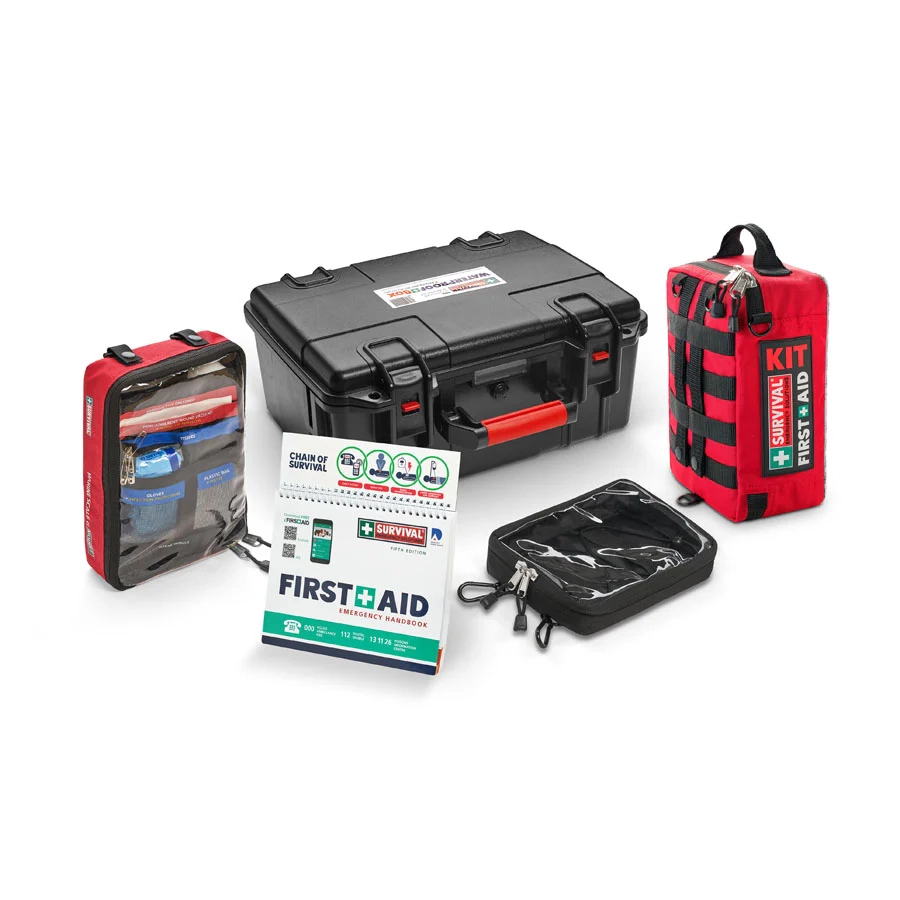
A 142-item marine first aid kit built around the Australian Scale G requirement, with a workplace kit, a Scale G module and a handbook packed in a large waterproof box.
Explore →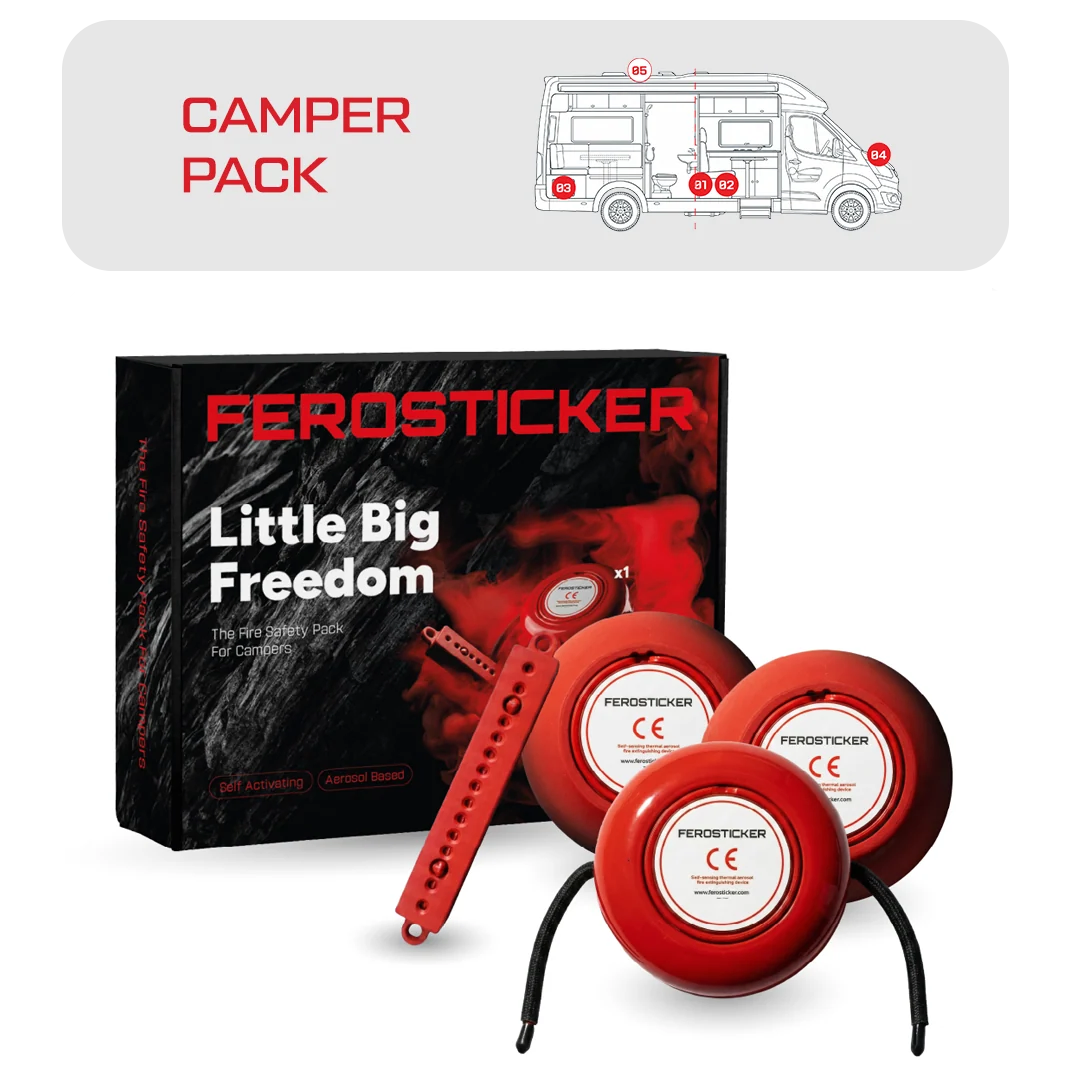
A four-sticker pack (one F01, two F03 and one F09) that puts automatic fire suppression in the electrical panel, battery compartment, gas locker and engine space in one purchase.
Explore →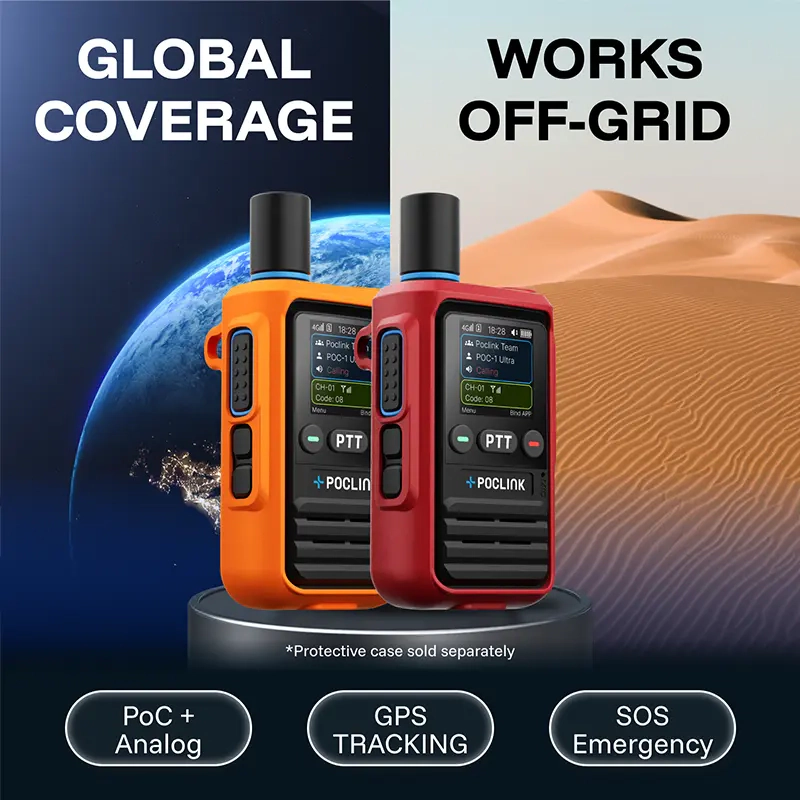
Push-to-talk radio that uses 4G mobile networks where there is coverage and a built-in 16-channel analog radio where there is none, with GPS and SOS. Sold as a two-pack.
Explore →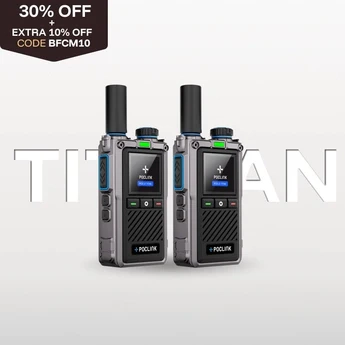
Metal-bodied 4G push-to-talk radio with GPS and SOS in the GPS variant and a lifetime SIM plan included. Sold as a two-pack.
Explore →