Loading this page…

Loading this page…
Marina service
About
Port Hedland Spoilbank Marina (Pirra Pirra) is a distinctive Western Australian boating destination, bringing new marine infrastructure, local boating and access to northern fishing waters together in one remarkable setting.
Gallery status: no editorially approved marina photographs are available yet.
Service area: Port Hedland, WA (Pilbara)
Keep exploring
Port Hedland Spoilbank Marina (Pirra Pirra) connects local and visiting crews with Pilbara. Its character comes from new marine infrastructure, local boating and access to northern fishing waters, making the facility an authentic part of Western Australia’s exceptionally varied maritime landscape.
Whether used for fishing, cruising, commercial activity or an island stay, it provides a valuable point of access to the surrounding waterway.
The facility supports boating through harbour, marina or mooring access, with relevant shore-side services and regional marine capability nearby. Crews can prepare, provision and plan their next movement from a practical waterfront base.
The wider destination is central to the experience: new marine infrastructure, local boating and access to northern fishing waters. Port Hedland Spoilbank Marina (Pirra Pirra) offers a natural starting point for exploring Pilbara and the coast beyond.
Satellite imagery at four heights, from the wider harbour to the berths.
Port Hedland is a major iron ore port on Western Australia’s Pilbara coast. Large tides, mangrove creeks and constant bulk-carrier traffic shape boating here.

There are legal obligations in Western Australia for recreational boat owners and skippers covering vessel registration, carriage of safety equipment and general skipper responsibilities, but the exact requirements depend on vessel type, size, where you sail and whether the vessel is commercial or recreational. Check the Western Australian Department of Transport (DoT WA) and the national authority for the precise checklist that applies to your boat and voyage.
Explore →
Pick a protected bay, estuary or river reach where you can rig, launch and arrive on calm water within a short, sheltered transit; choose a site with a good ramp or jetty, clear recovery options and a nearby sailing club, marina or commercial operator for local knowledge and help.
Explore →
Before you head offshore from WA have a reliable primary VHF with DSC, a charged and registered 406 MHz EPIRB, at least one waterproof mobile phone and a separate handheld VHF as a backup; write and practise a clear escalation procedure so everyone knows which device to use and when.
Explore →
Increase inspection and cleaning frequency, use correctly sized and positioned sacrificial anodes or maintain impressed-current systems, select antifouling and application timing for local WA fouling pressure, and treat stainless and electrical connections proactively to break the corrosion chain.
Explore →A practical guide for recreational sailors planning short trips or multi-day cruises around Port Stephens, the Myall Coast and nearby offshore waters. Covers local geography, common conditions, navigation considerations, anchoring and mooring tips, and safety checklists tailored to Australian conditions.
Explore →
A practical step‑by‑step guide to planning a safe, realistic coastal sailing passage in Australian waters: choosing a route, estimating distance and time, checking weather and tides, fuel and daylight planning, identifying safe harbours and anchorages, and preparing backup plans.
Explore →A practical guide for recreational sailors planning passages to and around Rottnest Island. Covers anchoring and mooring options, local weather and sea conditions, tide and current considerations, passage planning tips and clear safety checklists tailored to Australian sailing conditions.
Explore →Practical guide for recreational sailors planning passages, anchorages and visits to Ningaloo Reef and the Exmouth coast. Covers anchoring considerations, marine park rules and how local weather, tides and currents affect safety and enjoyment.
Explore →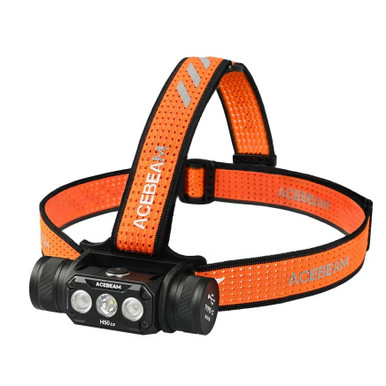
A 2000 lumen headlamp with spot and flood beams, rated IP68 and submersible to 2 metres, with a 141 metre beam and up to 30 hours on low.
Explore →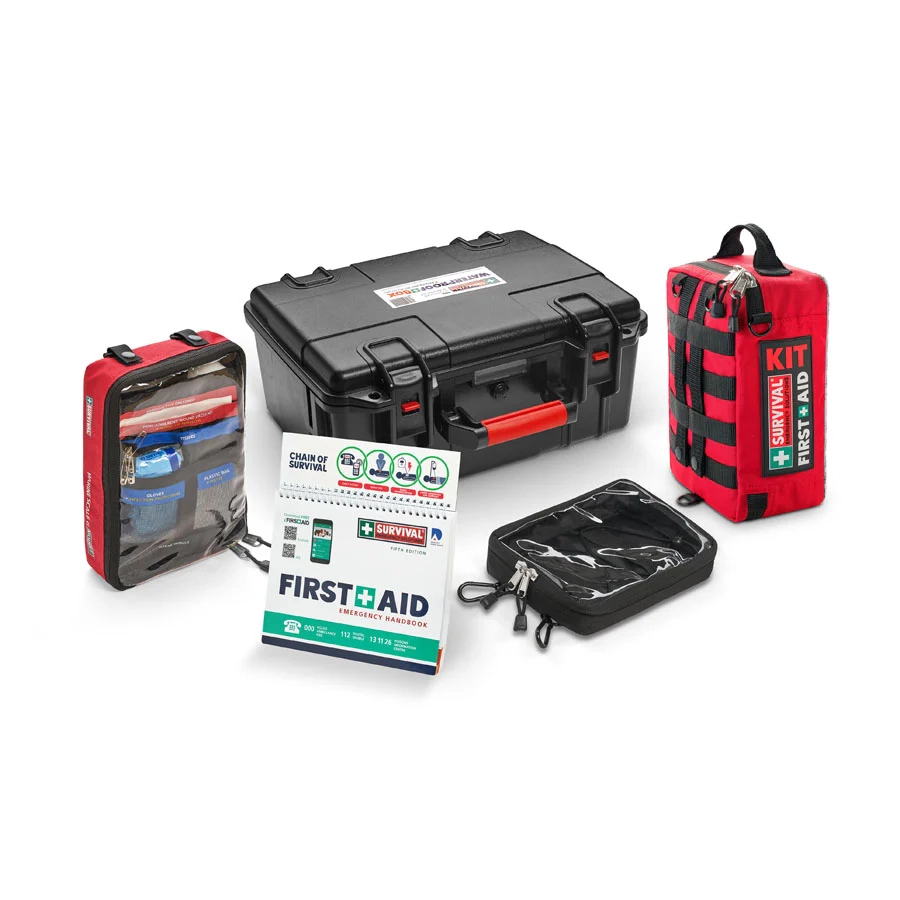
A 142-item marine first aid kit built around the Australian Scale G requirement, with a workplace kit, a Scale G module and a handbook packed in a large waterproof box.
Explore →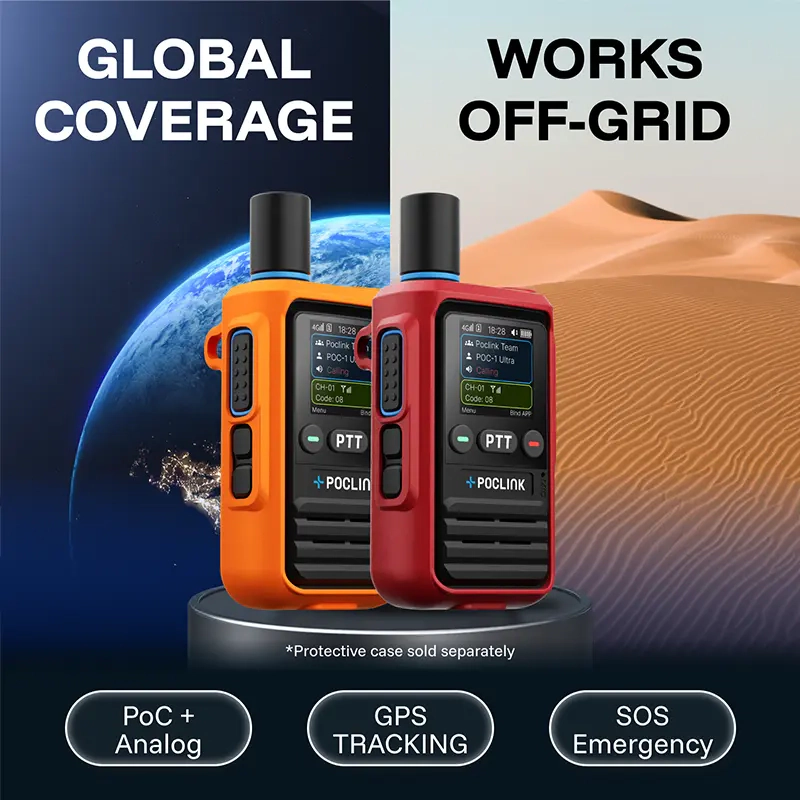
Push-to-talk radio that uses 4G mobile networks where there is coverage and a built-in 16-channel analog radio where there is none, with GPS and SOS. Sold as a two-pack.
Explore →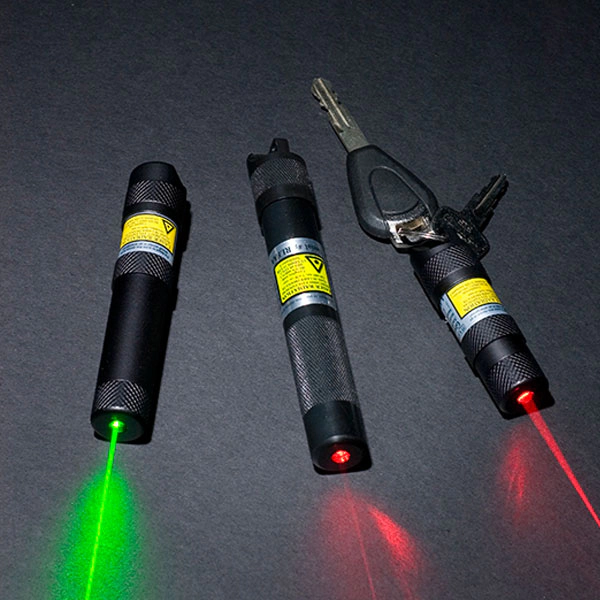
Hand-held, non-flammable laser signalling devices for day and night use, in red, green and Magnum versions, waterproof to 24 m and running for 5 to 72 hours on a battery.
Explore →