Loading this page…

Loading this page…
About
Rose Bay Marina offers 58 berths for vessels up to 37 metres and 67 serviced swing moorings, with fuel, pump-out, Wi-Fi, security and marine trades.
Service area: Rose Bay, Sydney Harbour, NSW
Keep exploring
Its Rose Bay setting combines sheltered water, a vibrant waterfront neighbourhood and one of Sydney’s finest boating locations.
Facilities include diesel fuel, free sewage pump-out, complimentary Wi-Fi, water and shore power, CCTV and nightly security patrols. Casual berthing and a pick-up/drop-off area support short visits. The site also connects boaters with brokers, yacht management, engineers, electricians, shipwrights and detailers, while The Boathouse Restaurant and Café provides waterside dining. Ice is available onsite.
Rose Bay is a busy mix of ferries, seaplanes, sailing, paddling and recreational traffic. Crews should observe designated operating areas, speed limits and harbour rules, particularly near commercial movements. From the marina it is a short run to central Sydney, Watsons Bay and the Harbour Heads. Shops, dining and public transport are available around Rose Bay.
Satellite imagery at four heights, from the wider harbour to the berths.
Recently received AIS vessel positions around Rose Bay Marina. The traffic display loads automatically.
Listening for recent AIS positions… this first load can take several seconds.
Customer perspective
★ 4.6 · 161 Google reviews
“Amazing place”
“The marina workers said slurs to me and my mates”
“Rose Bay has such an easy, relaxed energy. It’s often full of dogs running around, which gives it a friendly, local feel. The water is calm and shallow, perfect for a gentle swim or just standing in and cooling off. Not dramatic or wild, just peaceful, open, and simple. A really lovely spot for a slow day by the water.”
“The view is stunning; it would be lovely to take a boat trip.”
“Spectacular day hosted by Lamborghini Sydney and Chapman yachts, showcasing their cars and yachts was a beautiful event”
Bicheno is a small, working fishing town on Tasmania’s east coast whose modest harbour and nearby bays give visiting sailors a taste of exposed coastal sailing and sheltered inshore cruising. Distinctive for its granite shoreline, clear water and proximity to Freycinet and Friendly Beaches, Bicheno suits day sails, sheltered weekend cruising and coastal passages along the east coast rather than long ocean crossings. It favours skippers who can manage changeable onshore winds, read coastal swell and plan for limited shore facilities outside the main tourist season.

Plan as a chain of conservative daily legs tied to your boat’s real-world fuel and speed in the expected sea state, with confirmed primary and alternate anchorages/berths, fuel legs and back-up fuel options, and a documented emergency/diversion plan (comms, tow and med-evac). Build tidal and weather gates into each leg and carry chart and comms redundancy.
Explore →
A regular, layered maintenance routine combining hull cleaning, targeted anti-fouling management, cathodic protection and systems checks will substantially reduce marine growth and corrosion for boats kept year‑round in South Australian waters. Focus on preventing attachment and electrochemical attack, then inspect and act more often if you’re in warm, nutrient-rich or high‑traffic sheltered waters.
Explore →
Plan passages across Spencer Gulf or to Kangaroo Island by basing fuel on your boat’s actual consumption plus a generous reserve, choosing sensible staging/stop options that match your boat and crew, and prioritising shelter and weather windows (gale fronts, strong winds and tidal streams can make the gulf uncomfortable or unsafe). Confirm fuel availability, safe anchorages or marinas on your route, and check up-to-date local weather, tide and navigation information before you go.
Explore →
Do a simple pre-departure check of fuel, oil, cooling, controls, battery and prop, plus a quick start-and-idle run to confirm the outboard is healthy and responds correctly before you leave the ramp.
Explore →A practical guide for recreational sailors planning passages to, from or around Eden and Twofold Bay. Covers sheltered anchorages, shore facilities, local weather and tidal considerations, preparing for Bass Strait conditions and a focused equipment and safety checklist.
Explore →Practical guidance for recreational sailors in New South Wales on navigating marine parks, using moorings and anchoring responsibly. Covers how to plan passages, approach moorings, set and retrieve an anchor, minimise environmental impact and follow local rules.
Explore →A practical guide for recreational sailors planning visits to Albany and King George Sound. Covers the main anchorage areas, typical local weather patterns, tidal and current considerations, navigational hazards, on-the-water etiquette and a pre-departure checklist to help you plan a safe passage and enjoyable stopover
Explore →A practical guide for recreational sailors planning trips in Jervis Bay. Covers typical weather patterns, sheltered anchorages, common hazards, marine park considerations, anchoring techniques and sensible trip planning for day sails and short cruises.
Explore →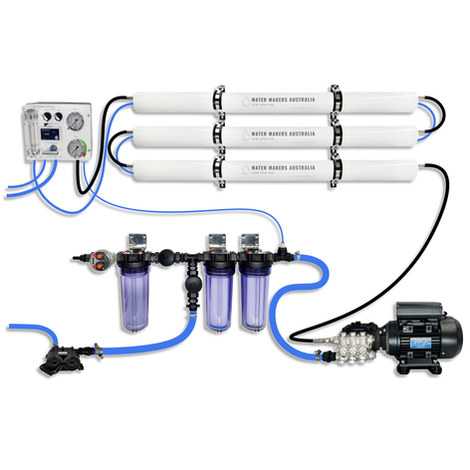
A three-membrane modular watermaker with 200 L/h nominal output and up to 240 L/h family-level marketing, for larger crews and heavy use.
Explore →
Self-contained, battery-powered plug‑and‑play autopilot designed for standard hydraulic steering systems.
Explore →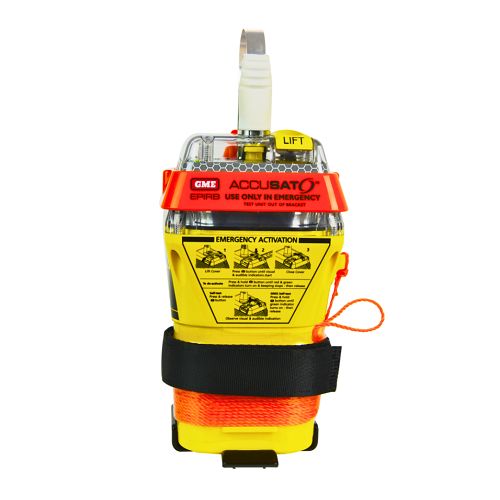
A 10‑year battery EPIRB with integrated GNSS (supports GPS and Galileo), infrared strobe and 121.5 MHz homing signal. Approved for worldwide COSPAS‑SARSAT operation.
Explore →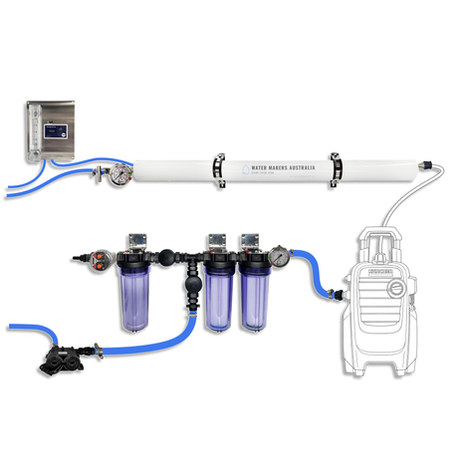
A one-membrane modular marine watermaker with 80 L/h nominal output, remote stainless control panel, standard consumables and direct Australian support.
Explore →On the water
2kn
Force 1 · Light air from the WSW
Not enough wind
Ripples, no foam crests