Loading this page…

Loading this page…
About
SFM Marine is a South Fremantle / Henderson boat-lifting and marine-maintenance yard offering hardstand storage, lifting, maintenance and contractor support for recreational and commercial vessels.
Service area: South Fremantle, Perth Metro, Western Australia
Keep exploring
SFM Marine describes itself as a premium boat lifter and marine maintenance hub, with precision lifting, secure hardstand storage and a network of marine contractors. Its Fremantle facility is referenced with 65-tonne and 200-tonne boat-lifting capability.
The yard's muscle is a pair of boat lifters with a combined capacity of up to 200 tonnes and a beam tolerance of ten metres, which covers most fishing boats, yachts, catamarans and tri-hulls in the WA fleet. Lifts can be booked up to twelve months ahead, a necessity in peak antifoul season, and every lift, launch and spray-down at the Northport site runs its wash water through a closed-loop treatment plant, keeping antifoul residue out of the harbour.
Once a vessel is up, hardstand storage is available short or long term, and the yard positions itself as a maintenance hub rather than a dump-and-leave park: in-house capability covers hauling, launch and wash-down, while an extensive contractor network delivers shipwright painting, detailing and cleaning, plus commercial-grade building, fabrication, refit, repair and engineering work. Wet berthing is deliberately modest.
SFM offers a limited number of berths with direct access to the river, rented short, medium or long term for small vessels upwards, priced and allocated on enquiry, and the company flags that new berths are coming, with a register open for owners who want first notice. Secure indoor tender storage is available for berth holders who want their dinghy out of the weather and out of sight. There is no fuel berth or chandlery on site; the yard's model is lift, store and fix.
Contact runs through the office on 08 9430 7623, and the Downloads section of the website carries the paperwork regulars need before a lift. Booking lead times stretch in the pre-summer rush, so regulars schedule antifouls well ahead.
Rous Head sits on the north side of the Fremantle harbour entrance, which makes SFM's geography unusually handy. Berth holders are, by the company's own measure, at the closest pens to Rottnest Island: straight out past the North Mole and 18 kilometres across to Thomson Bay. Upstream, the Swan River gives sheltered cruising all the way to Perth, so the same berth serves a sea run and a river picnic.
The caution is commercial traffic: Fremantle is a busy container and general cargo port, and small boats crossing the entrance channel should keep a proper lookout and stay clear of shipping under the port's control, particularly in the narrow water off the moles. The sea breeze on this coast is a daily fact, strong south-westerlies from lunchtime through summer afternoons, and first-time visitors to the yard should time a lift booking for the calmer morning window.
Ashore, the yard sits inside Fremantle's broader marine service belt, with chandlers, engine dealers, sailmakers and electronics firms scattered through O'Connor, Henderson and the harbour precinct, so parts and specialist labour are rarely more than a phone call away. Provisioning and a coffee are minutes away in North Fremantle or across the bridges in Fremantle proper.
For owners based in Perth's western suburbs, the location trims the trailer drive that longer hauls to Henderson or Two Rocks would otherwise demand, which is much of why the yard's hardstand stays busy year round. Winter fronts from the north-west can make the harbour entrance lumpy, and the yard's seven-day schedule lets owners pick a weather window rather than a calendar date.
Satellite imagery at four heights, from the wider harbour to the berths.
Ashmore Reef is a remote, uninhabited oceanic reef and low-lying island group in the Timor Sea that offers a stark, conservation-led sailing environment rather than typical recreational cruising. It is distinctive for its exposed coral reef, vegetated sand islands and strong legal protections, including tightly controlled access and traditional Indonesian fishing arrangements. Visiting from a recreational yacht is logistically challenging, subject to regulatory limits, and suited only to well-prepared offshore passages or research/management charters rather than casual day sails.

Before you head offshore from WA have a reliable primary VHF with DSC, a charged and registered 406 MHz EPIRB, at least one waterproof mobile phone and a separate handheld VHF as a backup; write and practise a clear escalation procedure so everyone knows which device to use and when.
Explore →
Expect very different seasonal systems across Western Australia: the south‑west (Perth to Albany) has a strong summer afternoon sea breeze (the “Fremantle Doctor”) and winter westerly fronts, while northern WA follows a wet/dry monsoonal cycle with strong seasonal onshore winds, thunderstorms and cyclone risk in the wet season. Local headlands, estuaries and tidal flows often change what you actually feel on the water, so learn the local timing and sheltered venues first.
Explore →
Pick a protected bay, estuary or river reach where you can rig, launch and arrive on calm water within a short, sheltered transit; choose a site with a good ramp or jetty, clear recovery options and a nearby sailing club, marina or commercial operator for local knowledge and help.
Explore →
Practise early, repeatable depowering (reefing and flattening), controlled sail-trim changes and deliberate, crew-led tacks/gybes so you keep heel, steerage and speed in a safe window as the Fremantle Doctor builds. Rehearse routines in sheltered water until they are second nature—clear commands, disciplined weight moves to windward and aft, and a quick, practised reef routine will prevent panicked mistakes.
Explore →A practical guide for recreational sailors planning passages to, from or around Eden and Twofold Bay. Covers sheltered anchorages, shore facilities, local weather and tidal considerations, preparing for Bass Strait conditions and a focused equipment and safety checklist.
Explore →Practical guidance for recreational sailors in New South Wales on navigating marine parks, using moorings and anchoring responsibly. Covers how to plan passages, approach moorings, set and retrieve an anchor, minimise environmental impact and follow local rules.
Explore →A practical guide for recreational sailors planning trips in Jervis Bay. Covers typical weather patterns, sheltered anchorages, common hazards, marine park considerations, anchoring techniques and sensible trip planning for day sails and short cruises.
Explore →A practical guide for recreational sailors on using VHF marine radios safely and effectively in Australian waters: basic operation, channel use, emergency procedures, DSC basics, common mistakes and a ready checklist for pre-departure and on-water use.
Explore →
Push-to-talk radio that uses 4G mobile networks where there is coverage and a built-in 16-channel analog radio where there is none, with GPS and SOS. Sold as a two-pack.
Explore →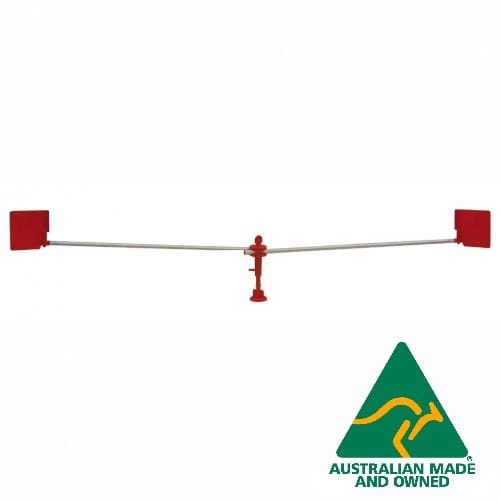
Wind-driven bird repeller with 1 metre rotating arms for smaller areas such as a boom, a solar panel or a small bimini. UV stabilised, with a bayonet base and a 12 month warranty.
Explore →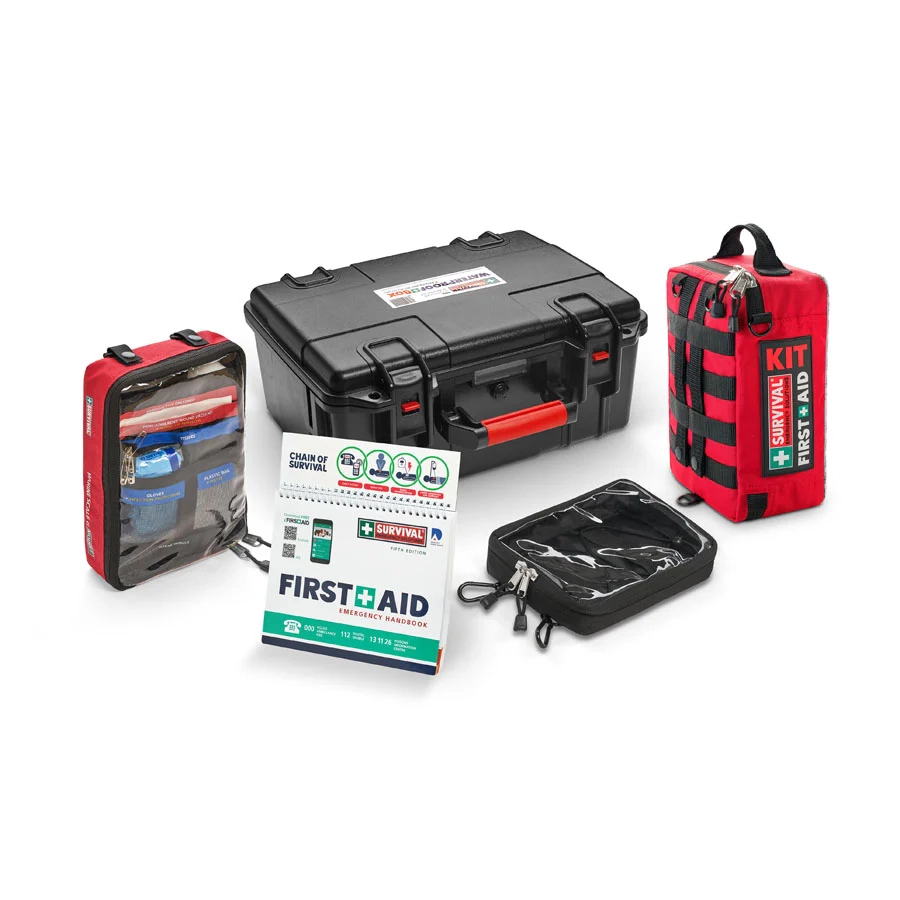
A 142-item marine first aid kit built around the Australian Scale G requirement, with a workplace kit, a Scale G module and a handbook packed in a large waterproof box.
Explore →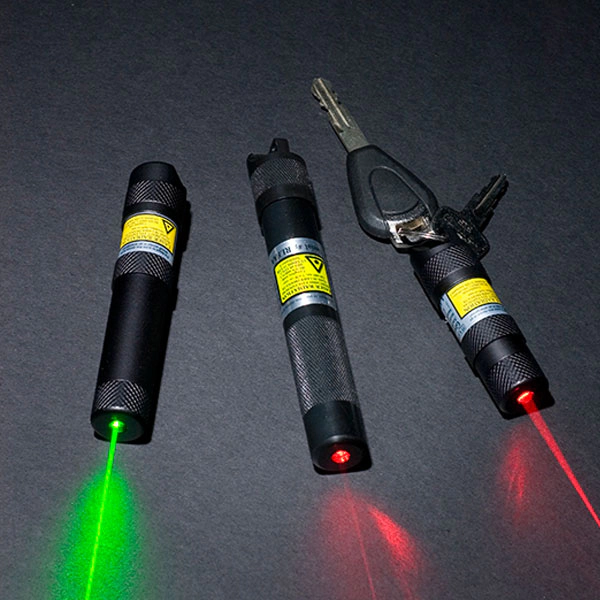
Hand-held, non-flammable laser signalling devices for day and night use, in red, green and Magnum versions, waterproof to 24 m and running for 5 to 72 hours on a battery.
Explore →