Loading this page…

Loading this page…
Marina service
About
Southern Boatharbour is a public Tweed River boating facility whose role is documented in council and NSW estuary planning material; current berth access should be confirmed locally.
Service area: Tweed Heads, NSW
Keep exploring
The facility provides a useful local base for keeping a boat close to sheltered cruising and Botany Bay.
Available information supports public boatharbour, berthing and slipway context. It does not verify showers, laundry, fuel, Wi-Fi, chandlery, a travel lift or other shore-side marina services, so those facilities remain unverified. Before relying on the harbour for storage, launching or maintenance, contact Tweed Shire Council or the relevant waterway manager for current access, permits, availability and operating conditions.
The Tweed River is a tidal estuary with shifting conditions near its entrance and a mixture of fishing, recreational and commercial traffic. Use current navigation information, observe local speed and wash restrictions, and check notices affecting ramps, pontoons and harbour areas. Tweed Heads provides provisioning and marine support, but individual facilities may be spread around the lower river.
Satellite imagery at four heights, from the wider harbour to the berths.
Tweed Heads sits at the mouth of the Tweed River on the NSW–Queensland border, beside Point Danger. Breakwaters and a bar lead into a sheltered river estuary.

Plan to transit Sydney Heads and northern NSW estuary entrances to take advantage of favourable tidal streams or slack water; account for local acceleration over shoals, eddies, wind-on-current effects and river discharge, and always check the latest local observations and tide/stream products before departure.
Explore →
Usually not for a small sailing dinghy. In NSW a boat driving licence is needed only to drive at 10 knots or more, or to drive a personal watercraft, and a vessel must be registered if it has an engine of 4 kW or more, is 5.5 m or longer, or needs a mooring licence or marina berth. A trailer towed on public roads needs its own registration.
Explore →
Expect the usual IALA-B lateral system (red and green), cardinal and isolated-danger marks, safe-water and special marks, plus harbour-specific fairway buoys, leading/transit marks and exclusion or speed‑limit buoys. Check local harbour charts and Notices to Mariners for exact positions and light characteristics before entry.
Explore →
Legal requirements can change — check Transport for NSW for the current rules. As a practical baseline for coastal day sailing from NSW shores: keep the right number and type of lifejackets for everyone, have a means of calling for help, show navigation lights if you’ll be out after dusk, and carry basic items to manage a man‑overboard or abandon‑ship situation. Add anchor, bilge/bailer, sun/protection and basic repair kit as recommended items.
Explore →Practical guide for recreational sailors planning passage on the Hawkesbury River: how to plan around tides, choose anchorages, read local conditions and prepare the boat and crew for a safe, comfortable trip.
Explore →A practical guide for recreational sailors planning passages to and around Rottnest Island. Covers anchoring and mooring options, local weather and sea conditions, tide and current considerations, passage planning tips and clear safety checklists tailored to Australian sailing conditions.
Explore →A practical guide for recreational sailors planning day sails or short cruises around Batemans Bay, Broulee and the Clyde River. Covers local conditions, safe approaches, anchorages, launching, tides, common hazards, and checklists for trip planning and on-water decisions.
Explore →A practical guide for recreational sailors planning voyages to Esperance and the Recherche Archipelago: what to expect, key planning considerations, common anchorages, safety and communications, equipment recommendations and sensible steps for a successful trip in this remote southern WA cruising area.
Explore →
Push-to-talk radio that uses 4G mobile networks where there is coverage and a built-in 16-channel analog radio where there is none, with GPS and SOS. Sold as a two-pack.
Explore →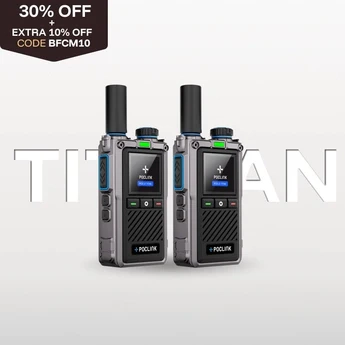
Metal-bodied 4G push-to-talk radio with GPS and SOS in the GPS variant and a lifetime SIM plan included. Sold as a two-pack.
Explore →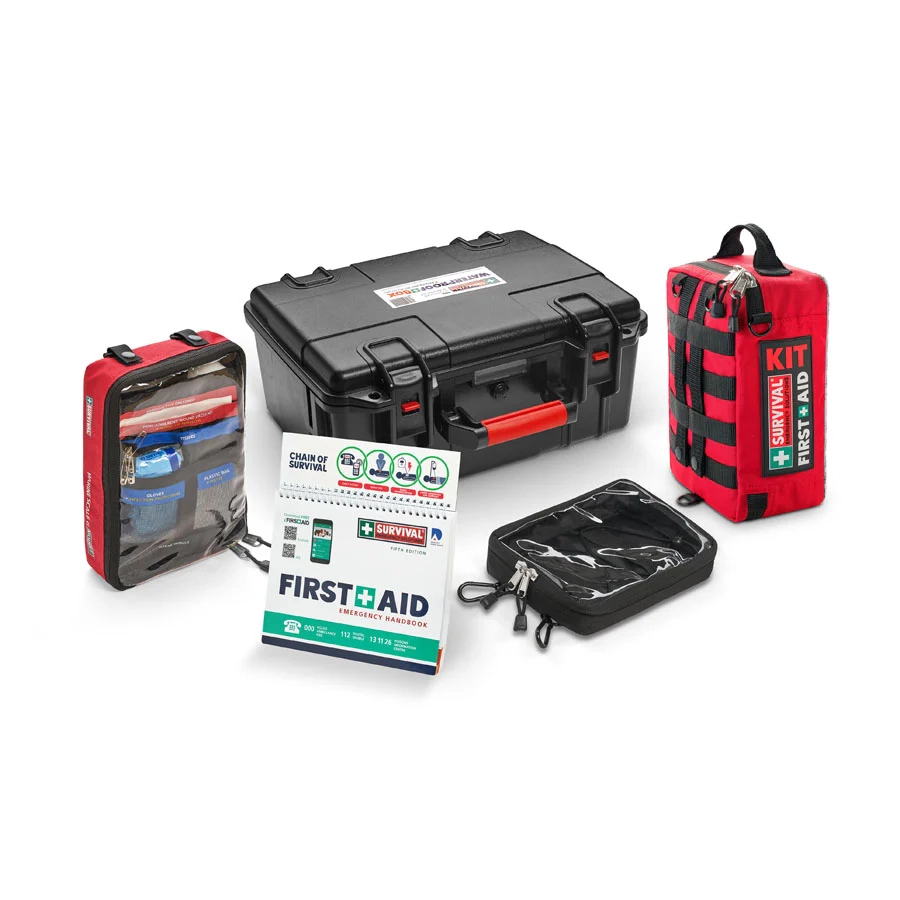
A 142-item marine first aid kit built around the Australian Scale G requirement, with a workplace kit, a Scale G module and a handbook packed in a large waterproof box.
Explore →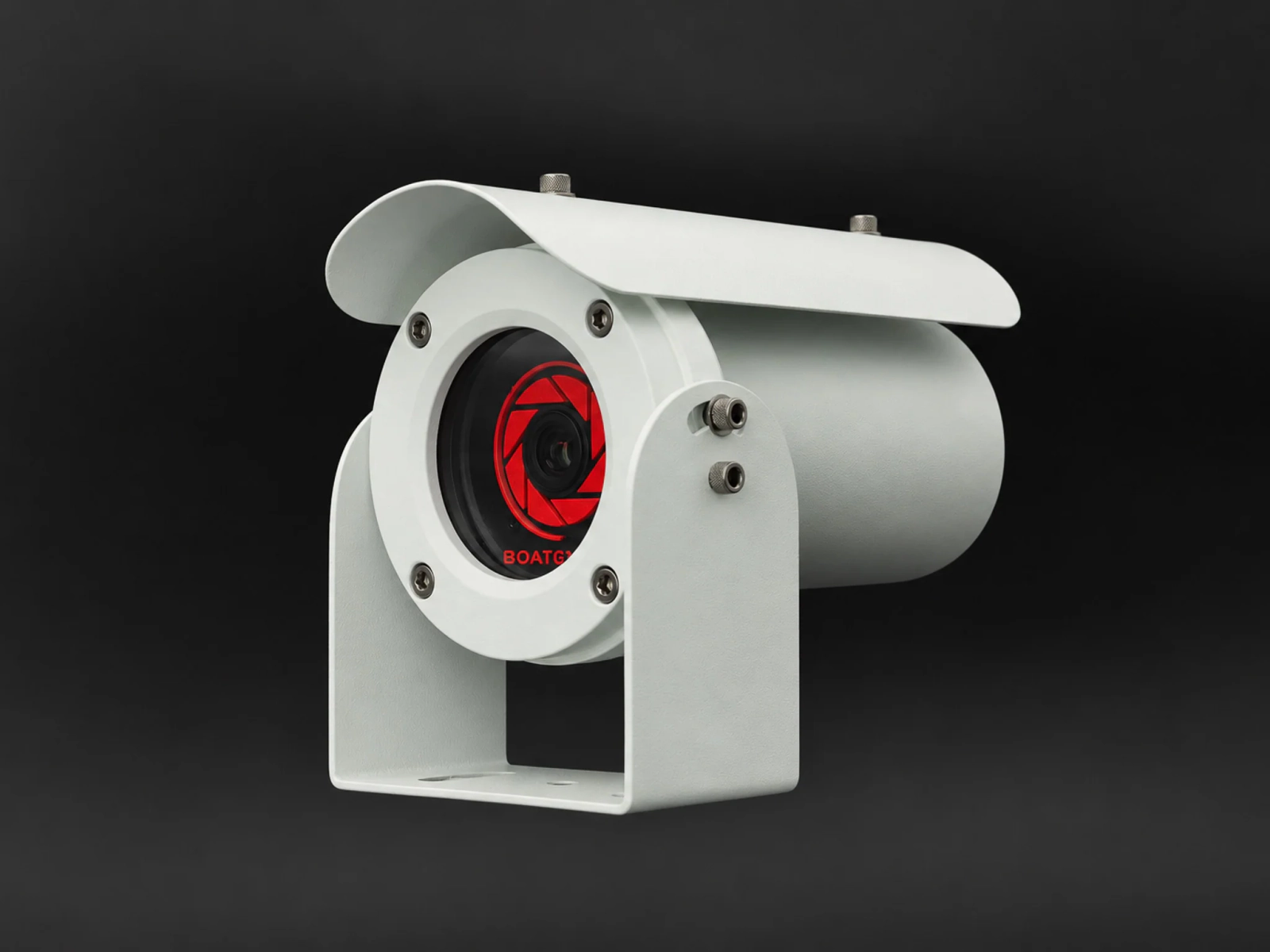
The original BoatEye360 full-colour low-light camera: the same 0.0001 lux sensor as the V2 in a larger 316L stainless housing, with HDMI and analog output, at a lower price.
Explore →