Loading this page…

Loading this page…
About
Sydney Harbour Marina Darling Harbour delivers a spectacular city-centre arrival beside dining, entertainment and iconic harbour scenery.
Service area: Darling Harbour
Keep exploring
The marina places visiting vessels in the heart of Darling Harbour, making it ideal for special occasions, city stays and memorable Sydney stopovers.
Central berthing gives crews immediate access to hospitality, transport, provisioning and CBD services.
Barangaroo, the Harbour Bridge, Opera House and eastern harbour are all moments away by water.
Satellite imagery at four heights, from the wider harbour to the berths.
Customer perspective
★ 4.9 · 51 Google reviews
“I had a lovely walk around the area. So many restaurants and activities to do! I felt safe as a tourist walking around. The view is very lovely from sunset to sunrise. I definitely enjoyed waking up and walking around the area.”
“Beautiful place”
“Hands down the best location in Sydney! Staying at the Darling Harbour Marina makes everything so easy—you’re right in the heart of the action with easy access to everything the precinct has to offer. A massive shout-out to Craig and David, who made our stay absolutely wonderful. They were so helpful and made the whole process seamless from start to finish. It’s rare to find service this professional and welcoming. We will definitely be coming back again! Highly recommended for any boatie looking for a stress-free, premium spot. Thank you!”
“We have just spent a week at the marina, the team there were so helpful. Great location to base yourself as so close to everything. We’ll be back next time we are in Sydney.”
“Tourist hot spot!”

Plan as a chain of conservative daily legs tied to your boat’s real-world fuel and speed in the expected sea state, with confirmed primary and alternate anchorages/berths, fuel legs and back-up fuel options, and a documented emergency/diversion plan (comms, tow and med-evac). Build tidal and weather gates into each leg and carry chart and comms redundancy.
Explore →
Plan to transit Sydney Heads and northern NSW estuary entrances to take advantage of favourable tidal streams or slack water; account for local acceleration over shoals, eddies, wind-on-current effects and river discharge, and always check the latest local observations and tide/stream products before departure.
Explore →
Expect the usual IALA-B lateral system (red and green), cardinal and isolated-danger marks, safe-water and special marks, plus harbour-specific fairway buoys, leading/transit marks and exclusion or speed‑limit buoys. Check local harbour charts and Notices to Mariners for exact positions and light characteristics before entry.
Explore →
Before the season: confirm seaworthiness — hull, rig, engine, electrics, sails and safety gear — and replace or service wearable items. After the season: wash, dry and protect gear, service consumables and record what you did so the boat’s ready and reliable next season.
Explore →
A concise, practical guide to the points of sail and how to trim sails effectively for common Australian conditions. Learn the basics of wind angles, sail shape, telltales, reefing considerations and simple steps to improve boat speed and balance.
Explore →A concise, practical introduction to the essential parts of a recreational sailing boat for beginners in Australia. Covers hull, deck, rigging, sails, steering, below-decks spaces and safety equipment, with simple explanations, common mistakes and a pre-sail checklist to help new sailors communicate and get underway.
Explore →A practical, step‑by‑step guide for recreational sailors on Sydney Harbour covering navigation, local weather and tides, safe anchoring, berthing, common routes, rules of the road, and useful checklists tailored to Australian conditions.
Explore →
Practical guidance for recreational sailors in Australia on assessing swell, tide and wind, choosing the safest time to cross a coastal bar, preparing crew and gear, and making the decision to go or turn back.
Explore →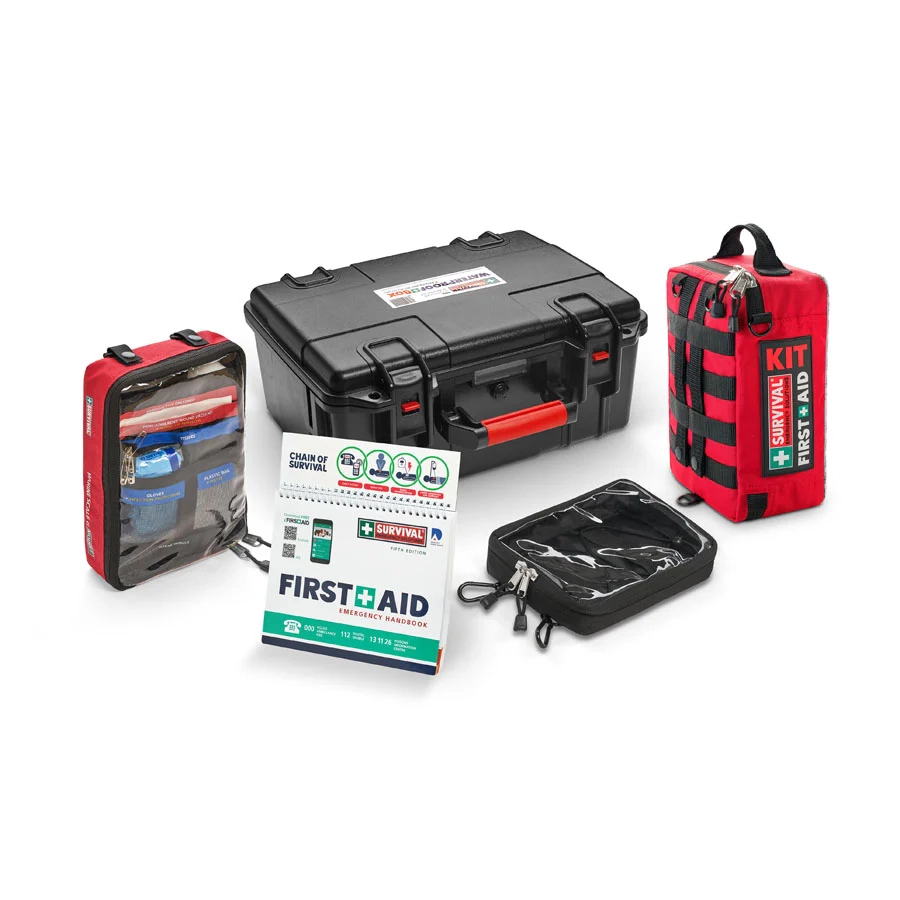
A 142-item marine first aid kit built around the Australian Scale G requirement, with a workplace kit, a Scale G module and a handbook packed in a large waterproof box.
Explore →
Metal-bodied 4G push-to-talk radio with GPS and SOS in the GPS variant and a lifetime SIM plan included. Sold as a two-pack.
Explore →
The entry-level Poclink push-to-talk radio: 4G mobile network only, three years of service included, sold as a two-pack for half the price of the Pro and Ultra.
Explore →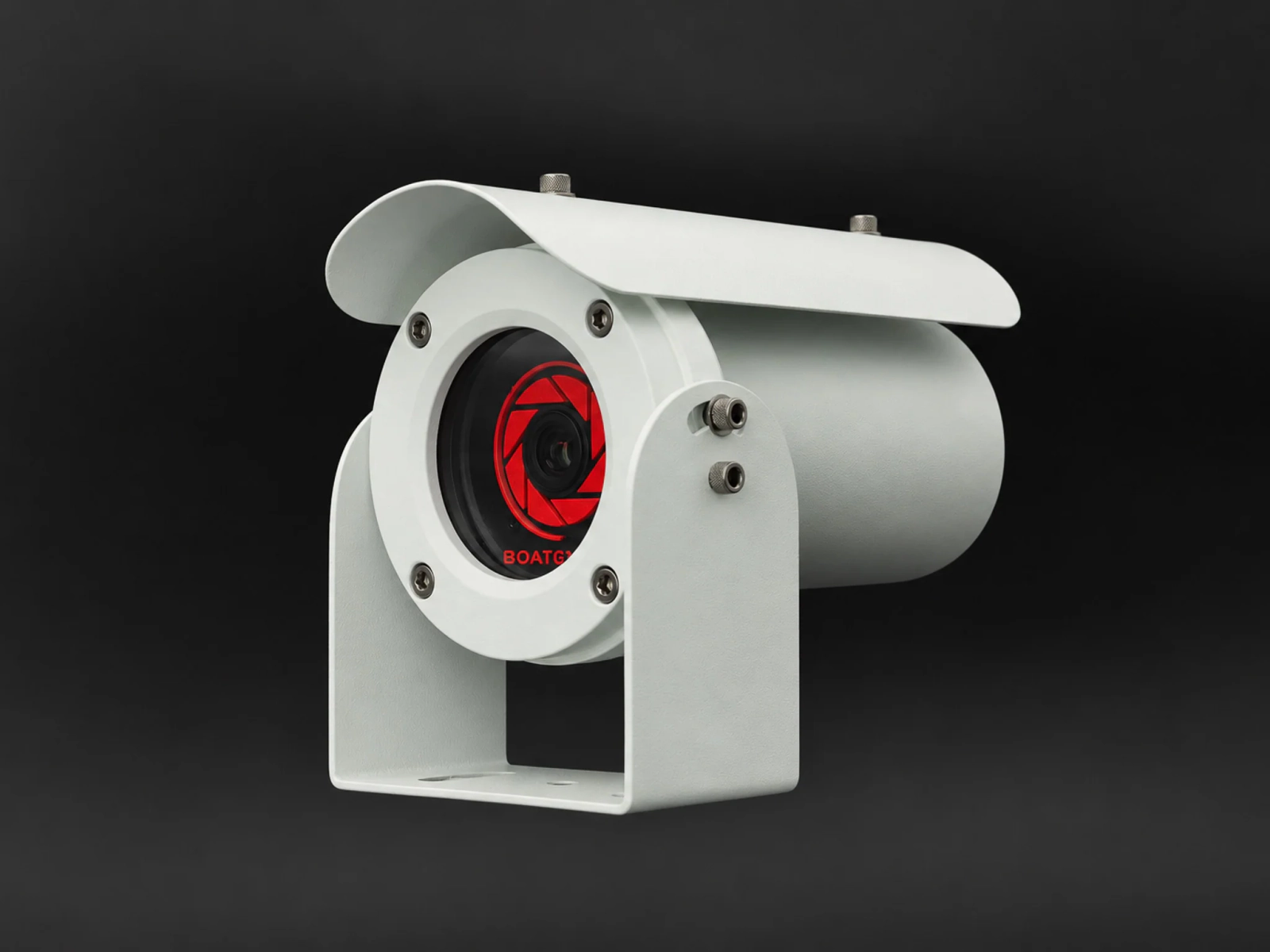
The original BoatEye360 full-colour low-light camera: the same 0.0001 lux sensor as the V2 in a larger 316L stainless housing, with HDMI and analog output, at a lower price.
Explore →