Loading this page…

Loading this page…
About
Cockle Bay Marina places your boat in the heart of Sydney, where a premium waterfront berth meets the city’s most exciting dining and harbour experiences.
Service area: Darling Harbour, Sydney, NSW
Keep exploring
Cockle Bay Marina is an unmistakably central Sydney arrival. Surrounded by the energy of Darling Harbour, it offers crews the rare pleasure of stepping straight from the boat into restaurants, entertainment and the city’s world-famous waterfront.
The marina provides a well-positioned inner-harbour base for visiting vessels, with city convenience and the wider harbour only moments away. It is ideal for a special stay, a city break or an unforgettable Sydney stopover.
From Cockle Bay, cruise beneath the Harbour Bridge, past the Opera House and out towards harbour beaches and the Heads. Few marina arrivals feel more connected to Sydney.
Customer perspective
★ 4.7 · 17 Google reviews
“Not much left to it. Ok bars, drinks and food one side.and the other now starting to build apartments. Being back the old Cockle Bay anyway.”
“There is a park right across Anita's where you can sit on deck chairs and inflated mattresses - its do surreal”
“Beautiful area.. Lots of eateries with beautiful views of the bay and the neighbouring buildings.. Especially at night”
“Absolutely delightful harbor area! Really fun and a great place to walk around and sightsee. Plenty of places to eat and drink.”
“Marine Museum Aquarium. Lots to see.”

Usually not for a small sailing dinghy. In NSW a boat driving licence is needed only to drive at 10 knots or more, or to drive a personal watercraft, and a vessel must be registered if it has an engine of 4 kW or more, is 5.5 m or longer, or needs a mooring licence or marina berth. A trailer towed on public roads needs its own registration.
Explore →
Plan as a chain of conservative daily legs tied to your boat’s real-world fuel and speed in the expected sea state, with confirmed primary and alternate anchorages/berths, fuel legs and back-up fuel options, and a documented emergency/diversion plan (comms, tow and med-evac). Build tidal and weather gates into each leg and carry chart and comms redundancy.
Explore →
Plan to transit Sydney Heads and northern NSW estuary entrances to take advantage of favourable tidal streams or slack water; account for local acceleration over shoals, eddies, wind-on-current effects and river discharge, and always check the latest local observations and tide/stream products before departure.
Explore →
Legal requirements can change — check Transport for NSW for the current rules. As a practical baseline for coastal day sailing from NSW shores: keep the right number and type of lifejackets for everyone, have a means of calling for help, show navigation lights if you’ll be out after dusk, and carry basic items to manage a man‑overboard or abandon‑ship situation. Add anchor, bilge/bailer, sun/protection and basic repair kit as recommended items.
Explore →A concise, practical introduction to the essential parts of a recreational sailing boat for beginners in Australia. Covers hull, deck, rigging, sails, steering, below-decks spaces and safety equipment, with simple explanations, common mistakes and a pre-sail checklist to help new sailors communicate and get underway.
Explore →
A practical, Australia‑focused introduction to sailing: key terms, common boat types, basic manoeuvres, where to learn, licence and club options, and planning your first trips with safety and local conditions in mind.
Explore →
A concise, practical guide to the points of sail and how to trim sails effectively for common Australian conditions. Learn the basics of wind angles, sail shape, telltales, reefing considerations and simple steps to improve boat speed and balance.
Explore →A practical, step‑by‑step guide for recreational sailors on Sydney Harbour covering navigation, local weather and tides, safe anchoring, berthing, common routes, rules of the road, and useful checklists tailored to Australian conditions.
Explore →
Push-to-talk radio that uses 4G mobile networks where there is coverage and a built-in 16-channel analog radio where there is none, with GPS and SOS. Sold as a two-pack.
Explore →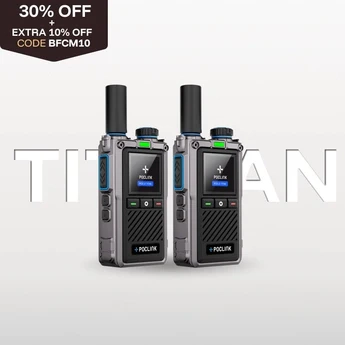
Metal-bodied 4G push-to-talk radio with GPS and SOS in the GPS variant and a lifetime SIM plan included. Sold as a two-pack.
Explore →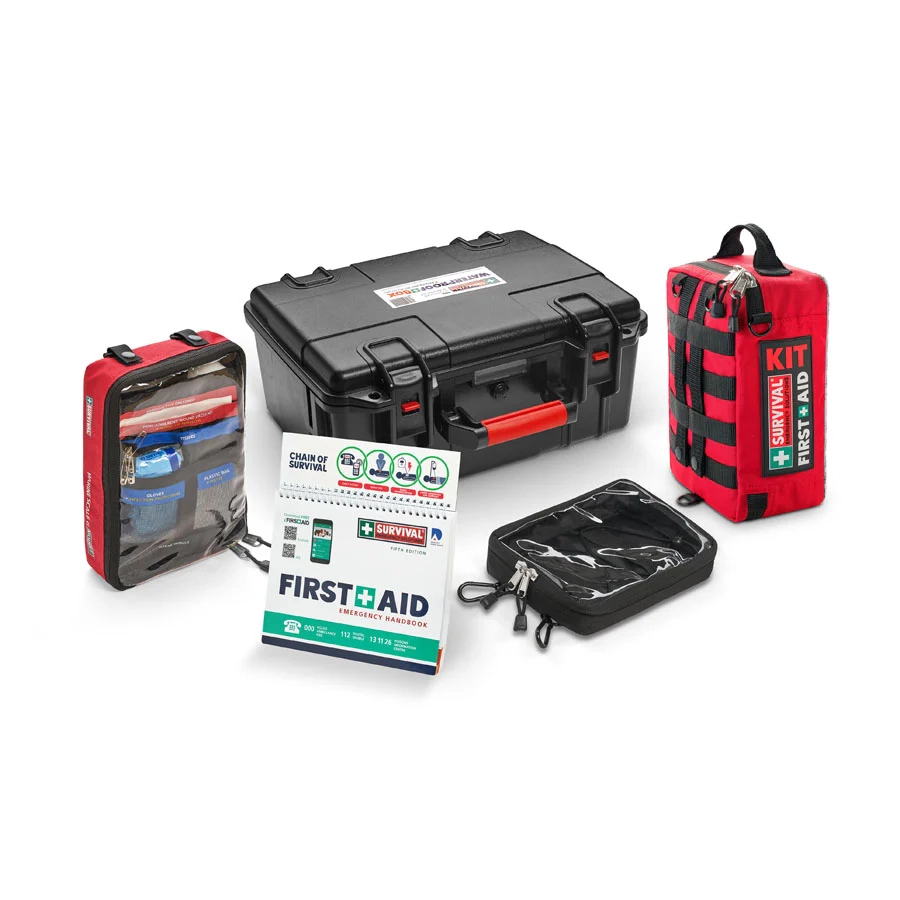
A 142-item marine first aid kit built around the Australian Scale G requirement, with a workplace kit, a Scale G module and a handbook packed in a large waterproof box.
Explore →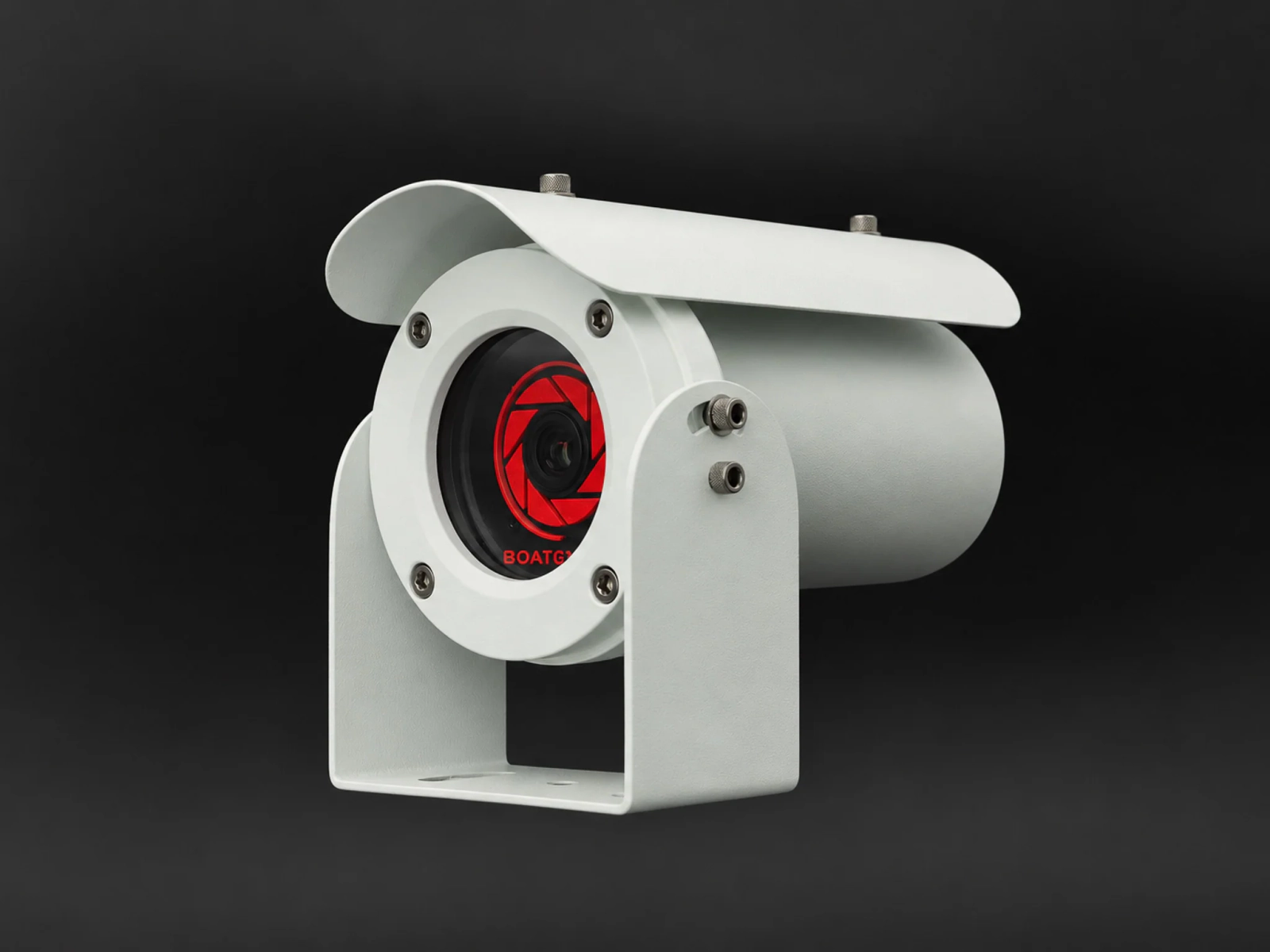
The original BoatEye360 full-colour low-light camera: the same 0.0001 lux sensor as the V2 in a larger 316L stainless housing, with HDMI and analog output, at a lower price.
Explore →