Loading this page…

Loading this page…
Marina service
About
The Marina Mindarie is a northern Perth marina and waterfront precinct with serviced 10 m to 20 m berths, catamaran berths, casual moorings, boat ramp, fuel and secure jetty access.
Service area: Mindarie, Perth, WA
Keep exploring
The operator lists fully serviced 10 m to 20 m berths, catamaran berths, casual moorings, boat ramp access, fuel and secure jetty access, plus dining and visitor amenities at Ocean Falls Boulevard.
Berthing is on floating jetties behind the wave attenuator, in fully serviced pens of 10, 12, 15, 18 and 20 metres plus dedicated catamaran berths, and every jetty is reached through a secure gatehouse operating on a security tag system; all jetty fees include utilities, meaning power and water at the berth without separate metering surprises. Casual berthing is genuinely catered for: overnight secured berths are available at casual rates with a two-night minimum and bookings essential, and casual daily moorings can be taken on the boardwalk in front of the restaurants.
The fuel operation sells diesel and premium unleaded petrol on site. Ashore, the marina provides toilets, showers and laundry for berth holders, a boat ramp with launching facilities, and ticketed trailer parking with casual tickets or annual passes available from Guest Services. Free wifi runs through the hospitality venues. Fishing and dive charters operate from the marina for those without their own hull, and the Yacht Harbour Association listing adds a chandlery, convenience store, customer lounge and business facilities to the service sheet, alongside the restaurants, bars, cafes and retail of the boardwalk and The Marina Hotel's accommodation overhead.
What the marina does not have is a travel lift or hardstand of its own; haul-outs are typically done at Hillarys or by mobile contractors, a gap worth noting for owners planning refits. Bookings and berth enquiries run through the marina office on 08 9305 9305, and the 5 Gold Anchor rating reflects audited standards across the whole facility.
Mindarie sits on a straight, exposed piece of the Perth coast with no natural shelter, so the harbour's breakwaters and wave attenuator do real work; the entrance is short and marked, but westerly swell wraps onto the leads and summer sea breezes can make the final approach lumpy, particularly for smaller boats arriving late in the day. Winter fronts push heavy swell onto this coast and entries are best made on the making tide with the leads held squarely. Once inside, the water is millpond calm.
The local boating ground is the northern end of Marmion Marine Park and the reef line that runs past Burns Beach and Ocean Reef, giving crayfish, dhufish and herring close in and deeper pelagic water a short run out; Rottnest Island lies roughly 20 nautical miles to the south-west for a day trip, and Hillarys Boat Harbour is a quick hop south if Mindarie's berths are full.
Ashore, the precinct covers most needs without a car: supermarkets and bigger retail at the nearby Ocean Keys centre, boardwalk dining beside the pens, and accommodation in the hotel above the marina for crew or family. Claytons Beach, the dog-friendly surf beach just north of the harbour, is the local walking spot. Visiting skippers should book casual berths ahead on summer weekends, when the combination of Perth's boating population and the precinct's events calendar keeps the gatehouse busy, and note the two-night minimum that applies to casual overnight pens.
Mindarie Keys itself is worth a wander for first-time visitors; the canal estate that surrounds the harbour was dug from coastal dunes in the 1980s and 1990s, and the whole precinct, marina included, is younger than most of the boats riding at its pens.
Satellite imagery at four heights, from the wider harbour to the berths.
Mackay is a port city at the mouth of the Pioneer River in central Queensland. Its outer harbour and marina are a main stop on the coast, with the Cumberland Islands and southern Whitsundays to the north.

Pick a protected bay, estuary or river reach where you can rig, launch and arrive on calm water within a short, sheltered transit; choose a site with a good ramp or jetty, clear recovery options and a nearby sailing club, marina or commercial operator for local knowledge and help.
Explore →
Plan passages by overlaying predicted tides and tidal streams onto your charted route, timing departures to use favourable streams through constrictions and offshore features, avoiding local hazards (shoals, banks, strong rips) and building contingency waypoints. Confirm with current official tide tables, local pilotage notes and recent Notices to Mariners before departure.
Explore →
Expect very different seasonal systems across Western Australia: the south‑west (Perth to Albany) has a strong summer afternoon sea breeze (the “Fremantle Doctor”) and winter westerly fronts, while northern WA follows a wet/dry monsoonal cycle with strong seasonal onshore winds, thunderstorms and cyclone risk in the wet season. Local headlands, estuaries and tidal flows often change what you actually feel on the water, so learn the local timing and sheltered venues first.
Explore →
There are legal obligations in Western Australia for recreational boat owners and skippers covering vessel registration, carriage of safety equipment and general skipper responsibilities, but the exact requirements depend on vessel type, size, where you sail and whether the vessel is commercial or recreational. Check the Western Australian Department of Transport (DoT WA) and the national authority for the precise checklist that applies to your boat and voyage.
Explore →A concise, practical introduction to the essential parts of a recreational sailing boat for beginners in Australia. Covers hull, deck, rigging, sails, steering, below-decks spaces and safety equipment, with simple explanations, common mistakes and a pre-sail checklist to help new sailors communicate and get underway.
Explore →
A concise, practical guide to the points of sail and how to trim sails effectively for common Australian conditions. Learn the basics of wind angles, sail shape, telltales, reefing considerations and simple steps to improve boat speed and balance.
Explore →
Practical guidance for recreational sailors in Australia on assessing swell, tide and wind, choosing the safest time to cross a coastal bar, preparing crew and gear, and making the decision to go or turn back.
Explore →A practical guide to the coastal weather systems that affect sailing along Western Australia's coast, focusing on the Fremantle Doctor, local sea breezes, and linked coastal phenomena. Explains how these systems form, when they tend to occur, how they influence boat handling and passage planning, common mistakes, and a
Explore →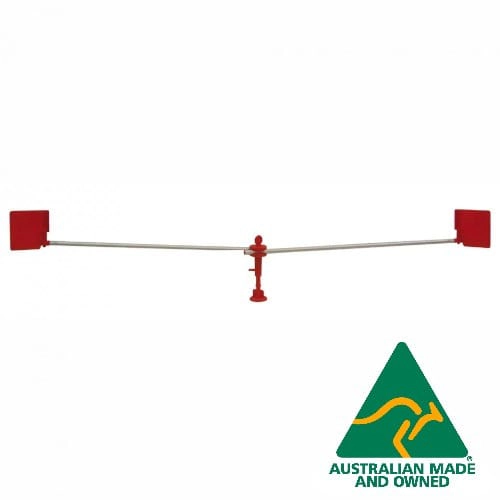
Wind-driven bird repeller with 2 metre rotating arms that keeps birds from roosting on hardtops, biminis, booms and decks. UV stabilised, with a bayonet base and a 12 month warranty.
Explore →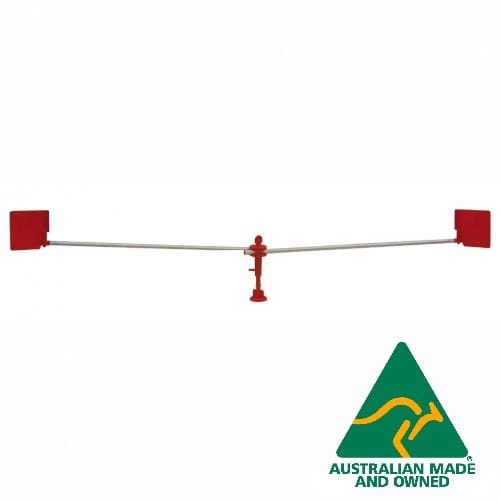
Wind-driven bird repeller with 1 metre rotating arms for smaller areas such as a boom, a solar panel or a small bimini. UV stabilised, with a bayonet base and a 12 month warranty.
Explore →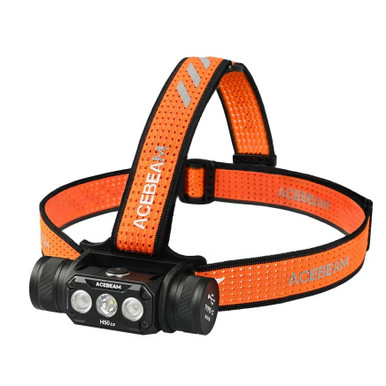
A 2000 lumen headlamp with spot and flood beams, rated IP68 and submersible to 2 metres, with a 141 metre beam and up to 30 hours on low.
Explore →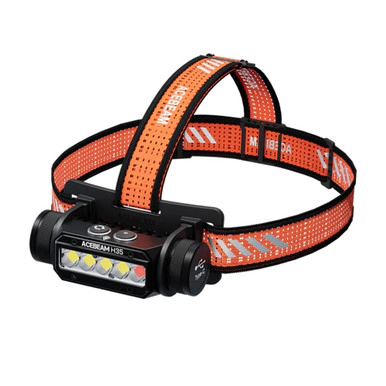
A 2600 lumen wide-beam headlamp with a red light, rated IP68 and submersible to 2 metres, with a 170 metre beam and USB-C charging.
Explore →