Loading this page…

Loading this page…
About
Tumby Bay Marina is a distinctive South Australian boating base, bringing protected berthing, island-dotted waters and outstanding fishing together in one welcoming waterfront setting.
Service area: Tumby Bay, Eyre Peninsula, South Australia
Keep exploring
Tumby Bay Marina gives local and visiting crews a practical place to access and enjoy Eyre Peninsula. Its character comes from protected berthing, island-dotted waters and outstanding fishing, creating an experience grounded in the surrounding waterway.
Whether used for cruising, fishing or a longer stay, it connects boaters with both practical waterfront access and the wider destination.
The facility supports boating through marina or mooring access, nearby services and regional marine capability. Crews can prepare, provision and enjoy more time on the water from a convenient base.
The surrounding boating ground is central to the appeal: protected berthing, island-dotted waters and outstanding fishing. Tumby Bay Marina is a natural starting point for exploring Eyre Peninsula.
Satellite imagery at four heights, from the wider harbour to the berths.

Yes — South Australian coastal waters include marine parks, aquatic reserves, harbour bylaws and local council restrictions that can affect anchoring, fishing, mooring and access; check the relevant state agencies, local councils and Notices to Mariners for location-specific rules and permit requirements.
Explore →
Before your first sail in South Australian waters check the weather and tide, make sure the boat and safety equipment are fit for the trip, confirm local rules and any area-specific hazards, and tell someone your plan.
Explore →
Choose an anchor type and size matched to your boat, seabed and expected conditions; set it by lowering steadily, backing down under power to bury the fluke or hook, and scope the rode to suit tidal range and wind/sea state. Regularly inspect your set and use trip lines or secondary anchors where risk of wind or current change is high.
Explore →
Watch for shallow entrance bars, shifting sandbanks and channels, tidal streams that accelerate through narrow channels or around headlands, drying mudflats and sills that expose at low water, and localised eddies or overfalls — and always confirm conditions for the specific estuary before you enter.
Explore →A practical guide for recreational sailors planning trips around Shark Bay, focusing on Denham, Dirk Hartog Island and nearby protected anchorages. Covers local conditions, route planning, anchoring, hazards, tides, wildlife considerations and sensible trip planning for coastal cruising in this unique West Australian,́
Explore →A practical guide for recreational sailors planning passages to, from or around Eden and Twofold Bay. Covers sheltered anchorages, shore facilities, local weather and tidal considerations, preparing for Bass Strait conditions and a focused equipment and safety checklist.
Explore →
A practical step‑by‑step guide to planning a safe, realistic coastal sailing passage in Australian waters: choosing a route, estimating distance and time, checking weather and tides, fuel and daylight planning, identifying safe harbours and anchorages, and preparing backup plans.
Explore →A practical guide for recreational sailors planning short trips or multi-day cruises around Port Stephens, the Myall Coast and nearby offshore waters. Covers local geography, common conditions, navigation considerations, anchoring and mooring tips, and safety checklists tailored to Australian conditions.
Explore →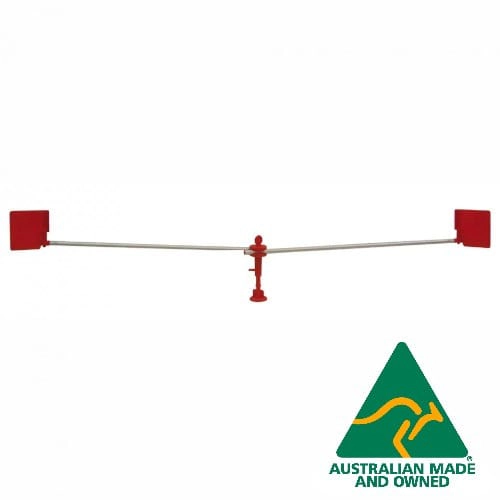
Wind-driven bird repeller with 2 metre rotating arms that keeps birds from roosting on hardtops, biminis, booms and decks. UV stabilised, with a bayonet base and a 12 month warranty.
Explore →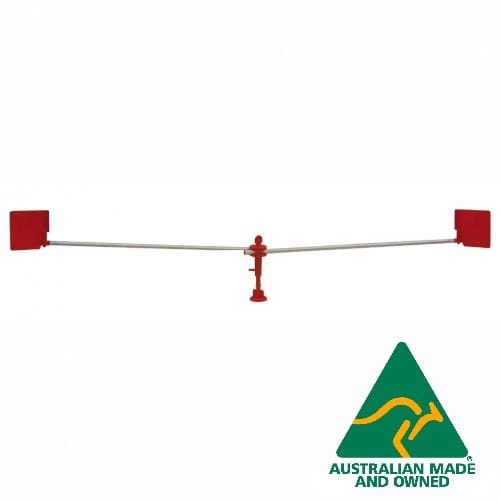
Wind-driven bird repeller with 1 metre rotating arms for smaller areas such as a boom, a solar panel or a small bimini. UV stabilised, with a bayonet base and a 12 month warranty.
Explore →
Push-to-talk radio that uses 4G mobile networks where there is coverage and a built-in 16-channel analog radio where there is none, with GPS and SOS. Sold as a two-pack.
Explore →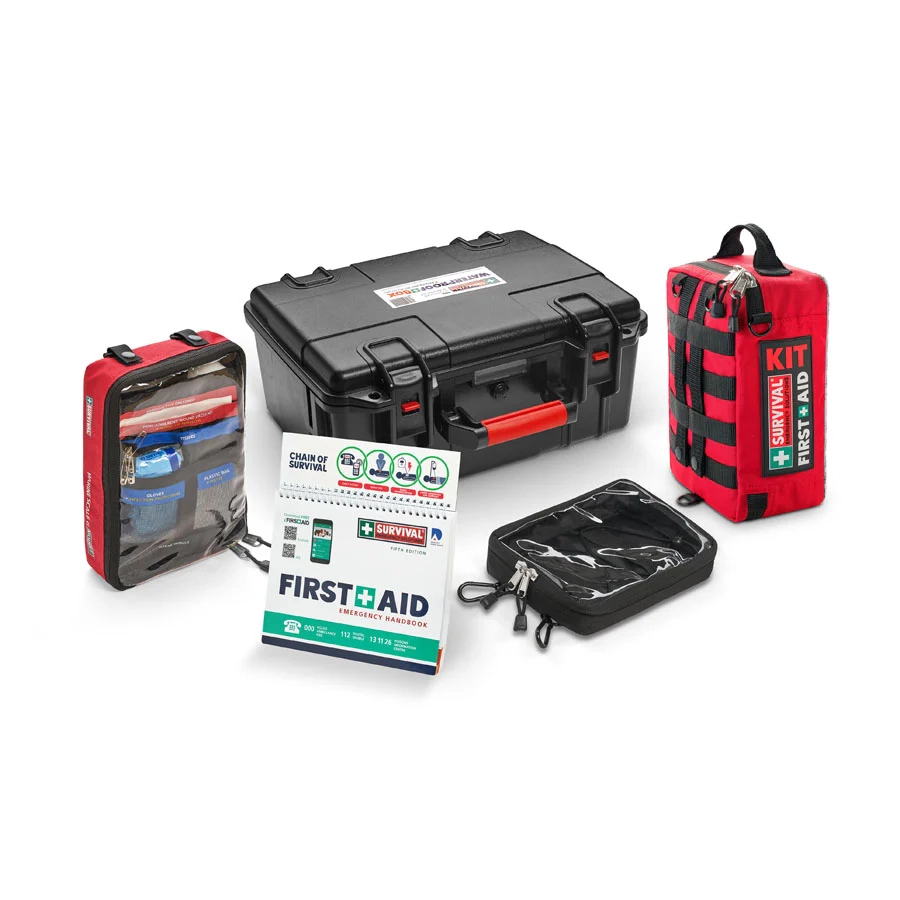
A 142-item marine first aid kit built around the Australian Scale G requirement, with a workplace kit, a Scale G module and a handbook packed in a large waterproof box.
Explore →