
Marine technology · In conversation
Stay another few days.
Kalim Scharenguivel on freshwater freedom, designing watermakers for real cruising life, and the practical choices that keep a boat away from the marina for longer.
Kalim Scharenguivel
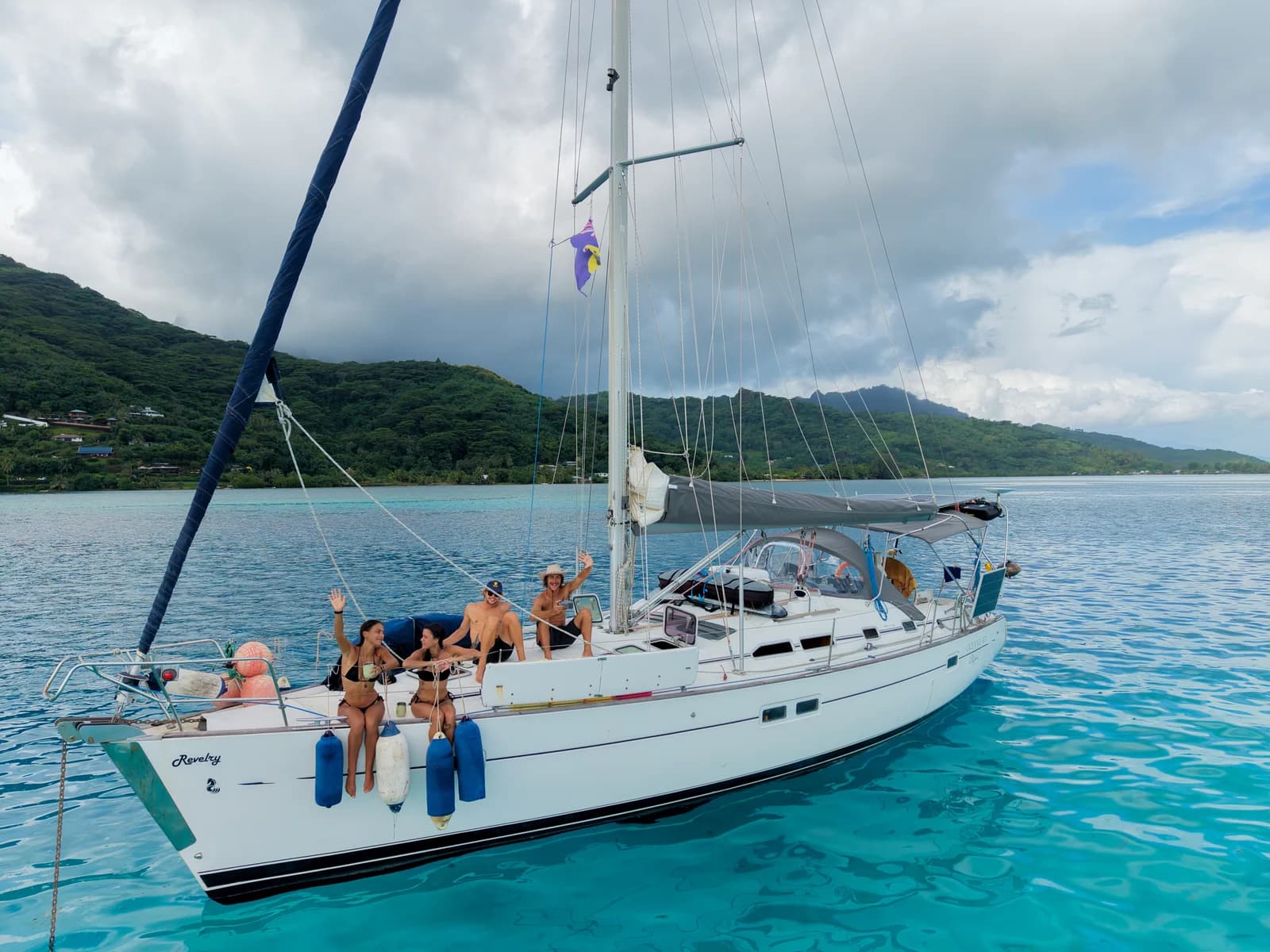
“They stop leaving places before they’re ready.”
What gap in the market did the company set out to fill? What was missing for Australian cruisers when you started?
A watermaker that was reliable, simple to service and affordable to run. We couldn't find all three in one system.
As our family grew, so did the amount of water we were using aboard our Hatteras 53 Convertible. Marina top-ups were getting harder to come by, and we wanted a proper shower to be a normal part of the family holiday.
When we started researching watermakers and talking to owners, the same stories kept coming up. At the cheaper end, units that didn't hold up. Further up the market, systems that were complex and expensive to keep running. And because most systems were imported, owners were often stuck waiting on proprietary parts from overseas when something went wrong.
So one Sunday afternoon on the Port Hacking in 2020, my father-in-law Stephen and I worked out our first design, built around solving those problems. Other boat owners at the marina took an interest, word spread, and that's how Water Makers Australia started.
The brief hasn't changed since: reliable, simple to service and affordable to run.
What makes you different from the other watermaker brands a sailor will be looking at?
I'd say the difference shows up a few years after you buy it.
Most comparisons come down to output, size and automatic features. Those things matter, but what decides whether you enjoy owning a watermaker is what happens when something needs attention and you're a long way from home.
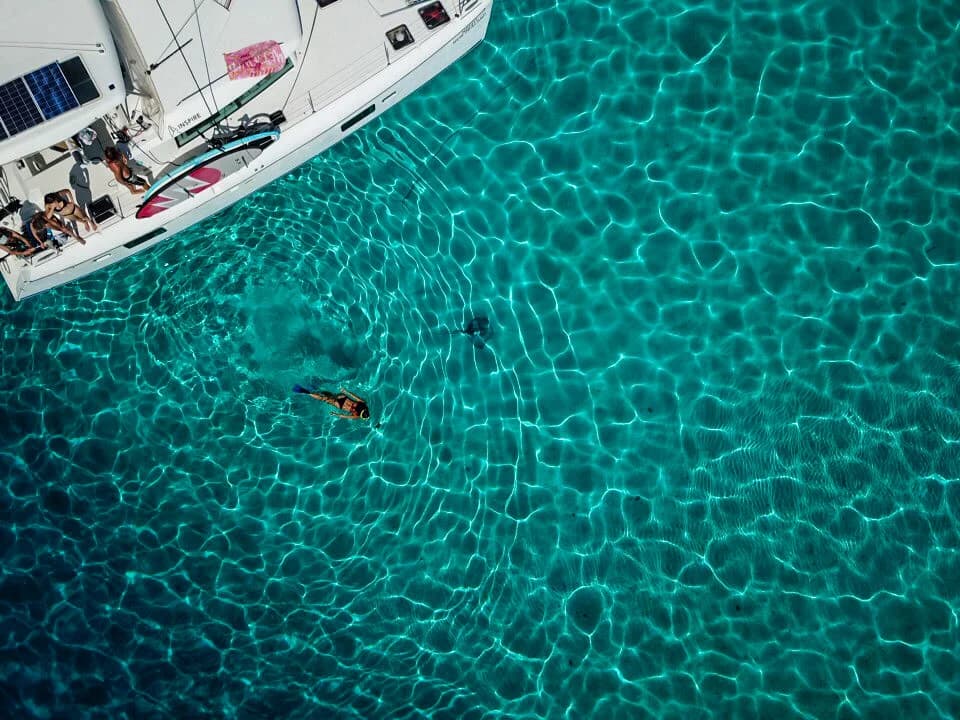
Abby and her family were cruising Fiji aboard Inspire, their Lagoon 420, when they needed a replacement pump head, almost four years into owning their system. We talked through the repair with them and sent the parts from Sydney. They landed in Nadi two days later, and the family fitted the new head themselves.
That story sums up how we design. The components mount separately, so everything you service is within reach. The membranes are a standard size, the pump runs on ordinary diesel engine oil, and when you call, you'll usually be talking to the person who designed it.
It isn't the right fit for every sailor. Our systems use 240-volt AC pumps, so you'll need a generator, or an inverter and battery bank sized to run it. With that in place, you get plenty of water in a short run, from a system you can understand and keep going yourself. We're Australian owned, we build every system in Sydney, and we back it with a three-year warranty and support seven days a week.
What's the biggest misconception sailors have about watermakers before they buy one?
That a watermaker on a sailing boat has to run on 12 volts.
A properly sized inverter can supply a 240-volt high-pressure pump, so an AC watermaker can run from the batteries on a well-equipped yacht. When a sailor asks us about doing that, we check three things: whether the inverter can start and run the pump, whether the battery bank can supply it for the whole run, and how that energy gets put back. Those details matter far more than simply having an inverter aboard.
The more useful question is how much energy it takes to make your water, and you can work that out for any system. Divide the power it draws by the litres it makes per hour. A system drawing 2,000 watts and making 200 litres an hour uses 10 watt-hours per litre, so 200 litres takes 2 kWh, plus a little for flushing and inverter losses. At a nominal 12 volts, that's about 167 amps for the hour it takes, or roughly 167 amp-hours for those 200 litres, before flushing and inverter losses.
Run that sum across a few systems and the voltage stops telling you much. A higher-draw system that makes water quickly can use less energy overall than a lower-draw one that makes it slowly. Low-power DC systems with energy recovery can do better still, and they make a lot of sense on boats where energy is tight.
An AC system earns its place when the boat's electrical setup can carry it and you want to fill the tanks quickly. That's becoming more common every year, as more boats carry a decent inverter and a battery bank big enough to feed it.
Who is your typical customer? Weekend cruisers, liveaboards, offshore passage makers, or a mix?
A real mix, but they're all adventurers, whether they're crossing an ocean or exploring the coast with their kids.
At one end are the three mates behind the Wayward Sailors. They spent four and a half years rebuilding Cape Petrel, a 60-foot steel yacht, for remote surf, diving and long passages, with room for friends and family too. They've since sailed from Western Australia through the Rowley Shoals and Indonesia to Malaysia with one of our watermakers aboard, making their own water in places where there's nowhere to fill up.
At the other end, it might be a family anchored off Whitehaven Beach over the school holidays, everyone getting a proper shower after a day on the beach instead of heading back in to top up the tanks.
Some owners have stayed with us as their boating changed. They're now on their second system, fitted when they moved from a monohull to a catamaran.
Whatever the trip, they're looking for much the same thing: the confidence to go, and enough comfort to enjoy being there.
Talk us through the moment a customer's cruising changes. What do people tell you they do differently once they stop rationing water?
They stop leaving places before they're ready.
Water can decide the length of a stay surprisingly quickly. You've found a lovely anchorage, everyone's enjoying themselves, and the tank gauge is already telling you it's time to move on.
Once you can make water, that decision goes back to you. You can spend the afternoon exploring, rinse off after a swim and wash up after dinner without doing the maths on how many days you've got left.
People do mention the showers. But the change that matters most is being able to look around somewhere beautiful and say, "We could stay another few days."
What's the most remote or unlikely place one of your units has ended up?
Probably Henderson Island. It's an uninhabited World Heritage island in the Pitcairn group, in the middle of the South Pacific, and one of our watermakers is there supporting a team of wildlife researchers. Everything they need has to arrive by boat, so making their own water is one less thing to ship in.
We've also implemented automated, solar-powered systems providing clean water for communities in Papua New Guinea, and supplied watermakers for humanitarian projects across the Pacific.
At sea, they've ended up on construction barges, an oil rig, expedition boats and superyachts. Closer to home, supplying a yacht competing in the Sydney to Hobart was a particularly proud moment.
It's quite a journey from the family boat we first built a system for. Seeing the equipment put to work in those places is one of the most rewarding parts of the business.
Australia is a strange market. Tropical north, cold southern water, long stretches with nowhere to top up. What does cruising here demand that other markets don't?
You need to allow for the conditions you'll actually meet, and for how far you'll be from help.
Water temperature is a good example. The same system will make less water in Tasmania than in the tropics. DuPont's technical guidance gives the example of a 4°C drop cutting production by about 10%, even with a healthy membrane. Our output ratings are based on 25°C water, so in 10 to 15°C water you can expect 25 to 40% less.
Up north it works the other way. Warm water makes more, but a little more salt gets through as well, so a slightly higher TDS reading in the tropics is normal.
Rain matters too. After heavy rain, rivers push sediment into coastal waters, so pre-filters need more attention. And on stretches like the Kimberley, where the nearest chandlery can be days away, having the right spares aboard matters far more than it does near a marina.
When you're choosing a system, ask what output to expect in the coolest water you plan to cruise in, then leave room for the days when more people are aboard. Have it installed so the sea strainer and pre-filters are easy to get to, because after rain you'll be checking them more often. Make water in clean, clear seawater rather than murky harbours or river mouths. And before a remote leg, pack spare filters and seals, and anything else you'd struggle to find along the way.
What's the most common mistake owners make after the unit is installed?
Honestly, the pre-filters.
I'll get a call about low feed pressure and ask when the cartridges were last cleaned or changed. There's often a pause while the owner thinks back. We get a clean set in, and quite often the next call is to say everything's working again.
I understand it. Nobody goes boating for the pleasure of washing filter cartridges. But once they clog, the high-pressure pump is starved of water, and running it that way can damage it.
Our usual setup is a 20-micron cartridge followed by a 5-micron one. They're standard 2.5 by 10-inch washable pleated cartridges, and a spare pair costs A$40. Keep a clean set aboard, swap them over when you need to, and wash the used ones when it suits you. If cleaning no longer restores the flow, or a cartridge is damaged, replace it.
A little attention here can save a much longer conversation about pumps.
What should a sailor budget for, beyond the purchase price, over the first five years of ownership?
Start with the installed price, not just the price of the unit. That should include mounting, plumbing, electrical work and any changes needed to the boat's power supply.
After that, allow for pre-filters, pickling solution for layups, pump servicing and the energy to run it, plus a reserve for repairs. How often you use it and the water you run it in will shape those costs.
Membranes are the bigger consumable. Ours are FilmTec SW30-2540s at A$550 each at today's prices, so that's A$550 to A$1,650 in parts depending on whether your system has one, two or three, before freight or labour. It's a sensible allowance to have in a five-year budget, though when they actually need replacing depends on their condition and performance.
Ask for the maintenance schedule and parts prices before you buy. You should understand the likely costs before the equipment is bolted to the boat.
What would you say to a sailor who reckons jerry cans and a bigger tank will do the job just fine?
If it's working for them, I'd say keep doing it. A watermaker has to earn its place aboard.
A full 20-litre jerry can weighs about 20 kilograms. Collecting a couple now and then is no trouble. But a family of four using 50 litres each a day gets through ten of them daily, and every one goes from the tap to the dinghy to the boat.
A bigger tank buys more time between refills. Eventually, though, it still needs filling, and your plans still bend around where you can do that.
The time to reconsider is when fetching water starts eating into the boating you actually enjoy. A watermaker gives you another way to fill the tanks, and you can still keep a sensible freshwater reserve.
How has the industry changed over the last decade, and where do you see it going?
The biggest change is power. Lithium batteries, capable inverters and better charging have made higher-output watermakers practical on far more cruising boats than a decade ago.
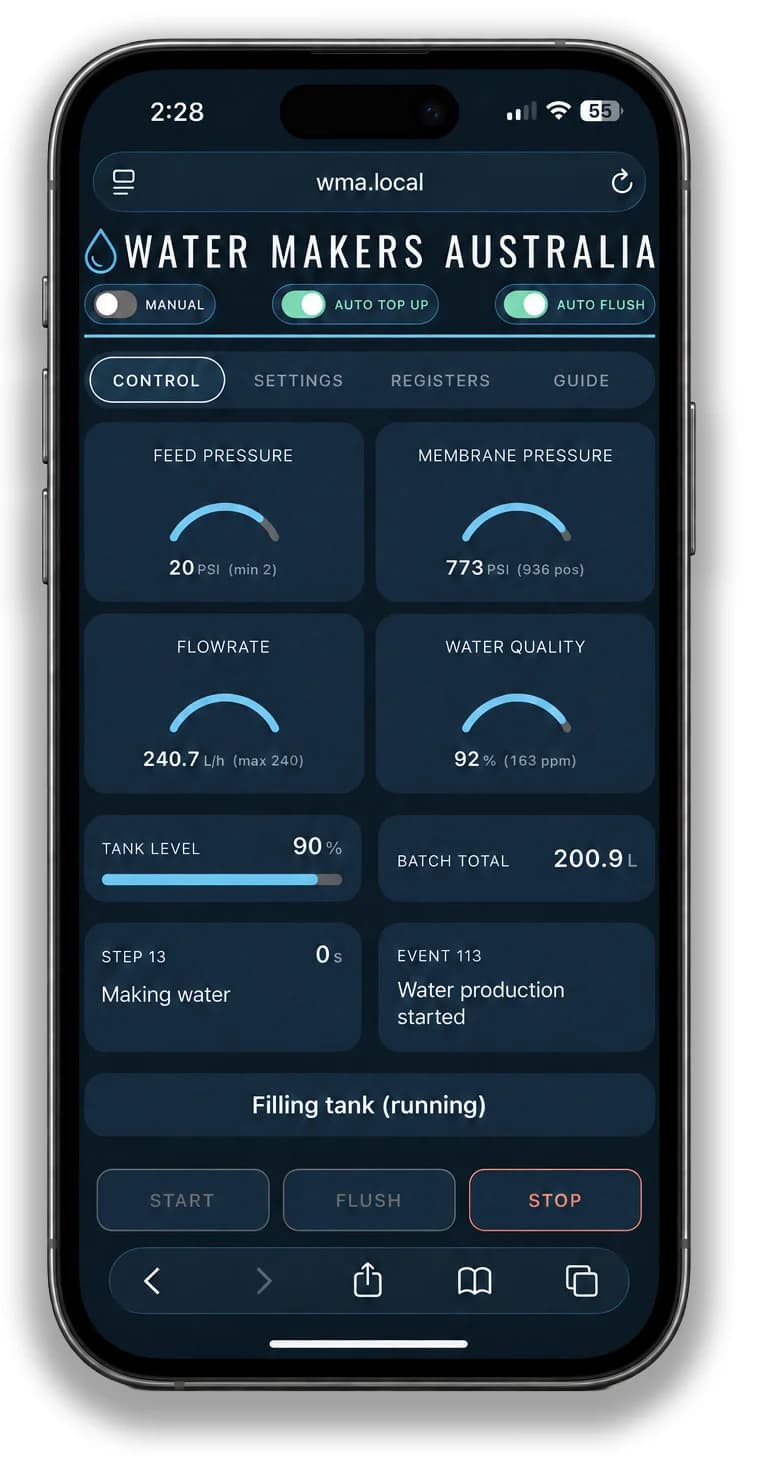
Automation is changing the day-to-day experience too. Our automatic system starts the pumps in sequence, regulates pressure and checks the water's total dissolved solids (TDS), only sending it to the tank once it meets the set limit. When it's done, it shuts down and runs a freshwater flush on its own.
Add a tank sensor and it can start and stop at the tank levels you choose. You can check the tank, production and system status from a phone or tablet through a local Wi-Fi dashboard.
You still look after the filters and servicing, but the system handles the normal water-making cycle, so you're not standing at the control panel working through each step.
Next, I expect closer integration with charging and battery monitoring, so a watermaker can make water when there's power to spare, like on a sunny afternoon with the batteries already full.
If someone is buying their first cruising boat this year, what should they be thinking about now that most people only work out three years in?
Start with the days you want to spend aboard, and the people you want to share them with.
Most people buy a boat with a picture in their head: anchored somewhere beautiful, kids in the water, nowhere to be. What many only work out a few years in is that the boat has to be set up to live that picture. Without enough water, power and refrigeration, it keeps pulling you back to the marina.
So kit it out for the life you imagined. For a week away with the kids, that means water, refrigeration, shade, comfortable sleeping and the power to run it all. Remote cruising adds range, spares and equipment you can maintain along the way.
Plan water and power together, because making water takes power. A family of four using 50 litres each a day needs 200 litres. A system making 140 litres an hour replaces that in about an hour and a half, using roughly 3 kWh, so the batteries and charging need to be ready for it. Plan the installation before the refit is finished, too, including room to get the filter bowls off.
Then get out there. A few short trips will teach you a great deal about what works, what you're missing and which upgrades can wait.
There will always be another job on a boat. Put the ones that get you away from the marina at the top of the list, then go and find the anchorage you pictured from the start.