Loading this page…

Loading this page…
Marine electronics
About
Cullys is a Henderson electrical and engineering contractor with more than three decades of experience across commercial, defence and recreational marine work. Its capability includes design, installation, integration, commissioning and maintenance.
Service area: Henderson, Perth, Western Australia and commercial projects across Australasia
Cullys is a Henderson electrical and engineering contractor with more than three decades of experience across commercial, defence and recreational marine work. Its capability includes design, installation, integration, commissioning and maintenance.
That joined-up view matters on a boat, where reliable power, tidy installation and electronics that communicate properly all affect time on the water.
Cullys's published service information covers Marine electrical engineering, design, installation, integration, commissioning, maintenance, generators, automation, control systems, defence and commercial vessel support. That mix makes the business relevant for both fault-finding and planned upgrades, from sorting an unreliable circuit to modernising a larger onboard system.
Owners can discuss the boat, the equipment already aboard and the outcome they want before settling on the right repair, replacement or upgrade.
The available business information is stronger on systems and job types than on a definitive brand catalogue. Ask which equipment the team currently supplies and supports, especially when compatibility with an existing display, network, battery bank or charging setup matters.
Keep exploring
Cullys works across Henderson, Perth, Western Australia and commercial projects across Australasia. Its listed base is 20 Egmont Road, Henderson WA 6166, which is handy context when arranging workshop work, a marina visit or mobile attendance.
Ashmore Reef is a remote, uninhabited oceanic reef and low-lying island group in the Timor Sea that offers a stark, conservation-led sailing environment rather than typical recreational cruising. It is distinctive for its exposed coral reef, vegetated sand islands and strong legal protections, including tightly controlled access and traditional Indonesian fishing arrangements. Visiting from a recreational yacht is logistically challenging, subject to regulatory limits, and suited only to well-prepared offshore passages or research/management charters rather than casual day sails.

Look for a friendly club with beginner-focused training, accessible facilities and boats, a supportive community, clear safety practices, and opportunities to progress at your own pace.
Explore →
Train your pet with short, reward‑based sessions that build confidence in the boat’s motions (boarding, heel, anchor swing and docking) — start in calm conditions, use consistent cues, plenty of positive reinforcement, and practise each manoeuvre separately before combining them.
Explore →
Plan passages by overlaying predicted tides and tidal streams onto your charted route, timing departures to use favourable streams through constrictions and offshore features, avoiding local hazards (shoals, banks, strong rips) and building contingency waypoints. Confirm with current official tide tables, local pilotage notes and recent Notices to Mariners before departure.
Explore →
Look for consistent, verifiable detail across multiple photos and reviews, check timestamps, reviewer credibility and metadata where possible, and cross‑check with independent sources — treat overly perfect images or identical language with caution.
Explore →A concise, practical introduction to the essential parts of a recreational sailing boat for beginners in Australia. Covers hull, deck, rigging, sails, steering, below-decks spaces and safety equipment, with simple explanations, common mistakes and a pre-decast checklist to help new sailors communicate and get underway.
Explore →
A practical checklist and explanation of the safety equipment recreational sailors should carry in Australian waters, with how to choose gear, use it correctly, and common mistakes to avoid.
Explore →A practical, Australian-focused guide explaining how sails generate drive, the points of sail, and how to trim sails for different conditions. Includes simple explanations of aerodynamic concepts, step-by-step trim checks, common mistakes and clear next steps for practice on the water.
Explore →Practical guide for recreational sailors planning passages, anchorages and visits to Ningaloo Reef and the Exmouth coast. Covers anchoring considerations, marine park rules and how local weather, tides and currents affect safety and enjoyment.
Explore →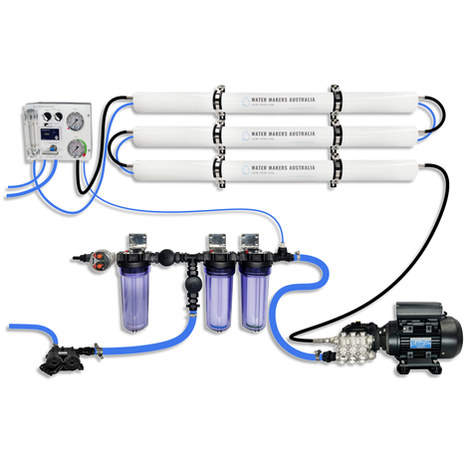
A three-membrane modular watermaker with 200 L/h nominal output and up to 240 L/h family-level marketing, for larger crews and heavy use.
Explore →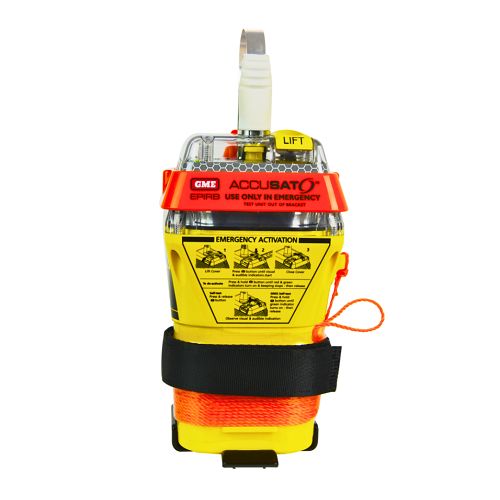
A 10‑year battery EPIRB with integrated GNSS (supports GPS and Galileo), infrared strobe and 121.5 MHz homing signal. Approved for worldwide COSPAS‑SARSAT operation.
Explore →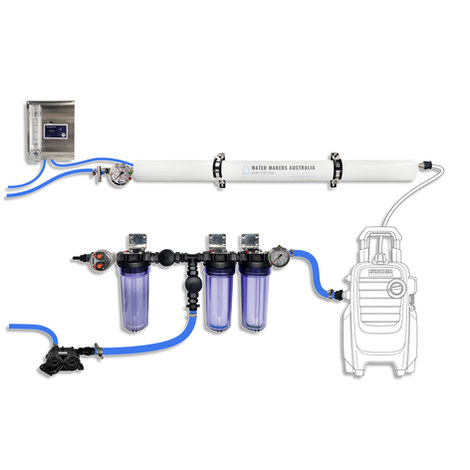
A one-membrane modular marine watermaker with 80 L/h nominal output, remote stainless control panel, standard consumables and direct Australian support.
Explore →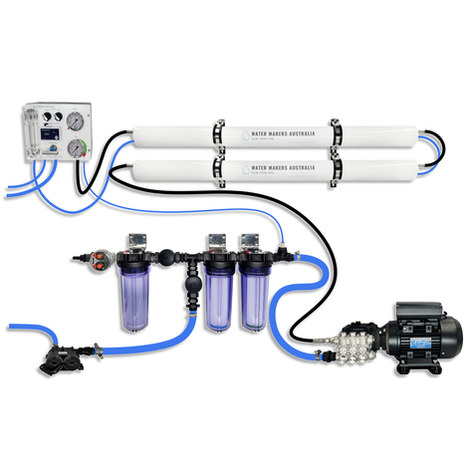
A two-membrane modular watermaker with 140 L/h nominal output, aimed at families and liveaboards that want more water per run.
Explore →