Loading this page…

Loading this page…
Marina service
About
Fremantle Fishing Boat Harbour is a major working fishing harbour and tourism precinct with mooring/wharf space for vessels up to about 60 m, fuel and fishing-industry support services.
Service area: Fremantle, WA
Keep exploring
Fremantle Fishing Boat Harbour is a working harbour adjacent to Challenger Harbour and the Fremantle hospitality precinct. WA transport and public harbour material verifies the fishing boat harbour, fuel nearby at Molfetta Quay, large sheltered mooring/wharf areas and fishing-industry support. Recent WA material notes a new penholder facility, while TYHA material supports diesel/petrol fuel dock context across Fremantle Fishing Boat Harbour and Challenger. Boat storage and marine repair context is present around the harbour, but pump-out and travel-lift services were not verified for this listing.
Verified services include sheltered mooring/wharf areas, fuel dock context, penholder facilities and fishing-industry support. Pump-out and travel-lift were not verified.
Fremantle Fishing Boat Harbour is busy with working vessels, tourism and service yards. Confirm berth allocation, fuel location and harbour rules before arrival.
Satellite imagery at four heights, from the wider harbour to the berths.
Bermagui is a compact south‑coast fishing port and coastal village on New South Wales’ Sapphire Coast. It’s best known to sailors for its working harbour, access to productive offshore grounds and a reachable string of sheltered bays and beaches. The sailing here mixes short coastal passages, inshore cruising and sheltered daysails rather than long ocean passages; it suits trailer‑able keelboats, motor cruisers and small offshore yachts. Expect a destination where commercial fishing activity and changing swell patterns shape anchorages and arrival choices — preparation and local knowledge pay.

There are legal obligations in Western Australia for recreational boat owners and skippers covering vessel registration, carriage of safety equipment and general skipper responsibilities, but the exact requirements depend on vessel type, size, where you sail and whether the vessel is commercial or recreational. Check the Western Australian Department of Transport (DoT WA) and the national authority for the precise checklist that applies to your boat and voyage.
Explore →
Before you head offshore from WA have a reliable primary VHF with DSC, a charged and registered 406 MHz EPIRB, at least one waterproof mobile phone and a separate handheld VHF as a backup; write and practise a clear escalation procedure so everyone knows which device to use and when.
Explore →
Plan passages by overlaying predicted tides and tidal streams onto your charted route, timing departures to use favourable streams through constrictions and offshore features, avoiding local hazards (shoals, banks, strong rips) and building contingency waypoints. Confirm with current official tide tables, local pilotage notes and recent Notices to Mariners before departure.
Explore →
Pick a protected bay, estuary or river reach where you can rig, launch and arrive on calm water within a short, sheltered transit; choose a site with a good ramp or jetty, clear recovery options and a nearby sailing club, marina or commercial operator for local knowledge and help.
Explore →A concise, practical introduction to the essential parts of a recreational sailing boat for beginners in Australia. Covers hull, deck, rigging, sails, steering, below-decks spaces and safety equipment, with simple explanations, common mistakes and a pre-sail checklist to help new sailors communicate and get underway.
Explore →A practical guide to the coastal weather systems that affect sailing along Western Australia's coast, focusing on the Fremantle Doctor, local sea breezes, and linked coastal phenomena. Explains how these systems form, when they tend to occur, how they influence boat handling and passage planning, common mistakes, and a
Explore →Practical guide for recreational sailors approaching Fremantle Harbour: what to expect on the approaches, local weather and tidal influences, navigational considerations, berthing and facilities, communications and safety checks, common mistakes and sensible next steps.
Explore →A practical guide for recreational sailors planning voyages to Esperance and the Recherche Archipelago: what to expect, key planning considerations, common anchorages, safety and communications, equipment recommendations and sensible steps for a successful trip in this remote southern WA cruising area.
Explore →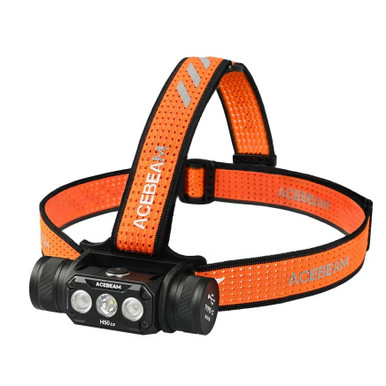
A 2000 lumen headlamp with spot and flood beams, rated IP68 and submersible to 2 metres, with a 141 metre beam and up to 30 hours on low.
Explore →
A 3.35 m inflatable catamaran that weighs about 34 kg bare, carries 500 kg and takes up to a 15 HP short-shaft outboard. Sold boat-only or as a full fishing package.
Explore →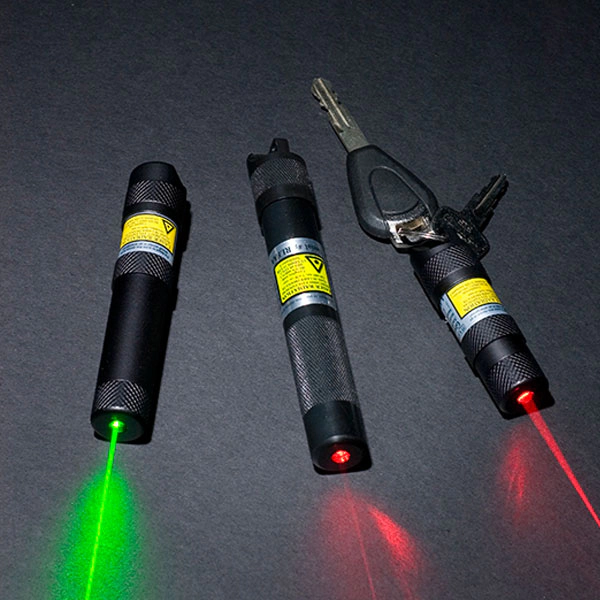
Hand-held, non-flammable laser signalling devices for day and night use, in red, green and Magnum versions, waterproof to 24 m and running for 5 to 72 hours on a battery.
Explore →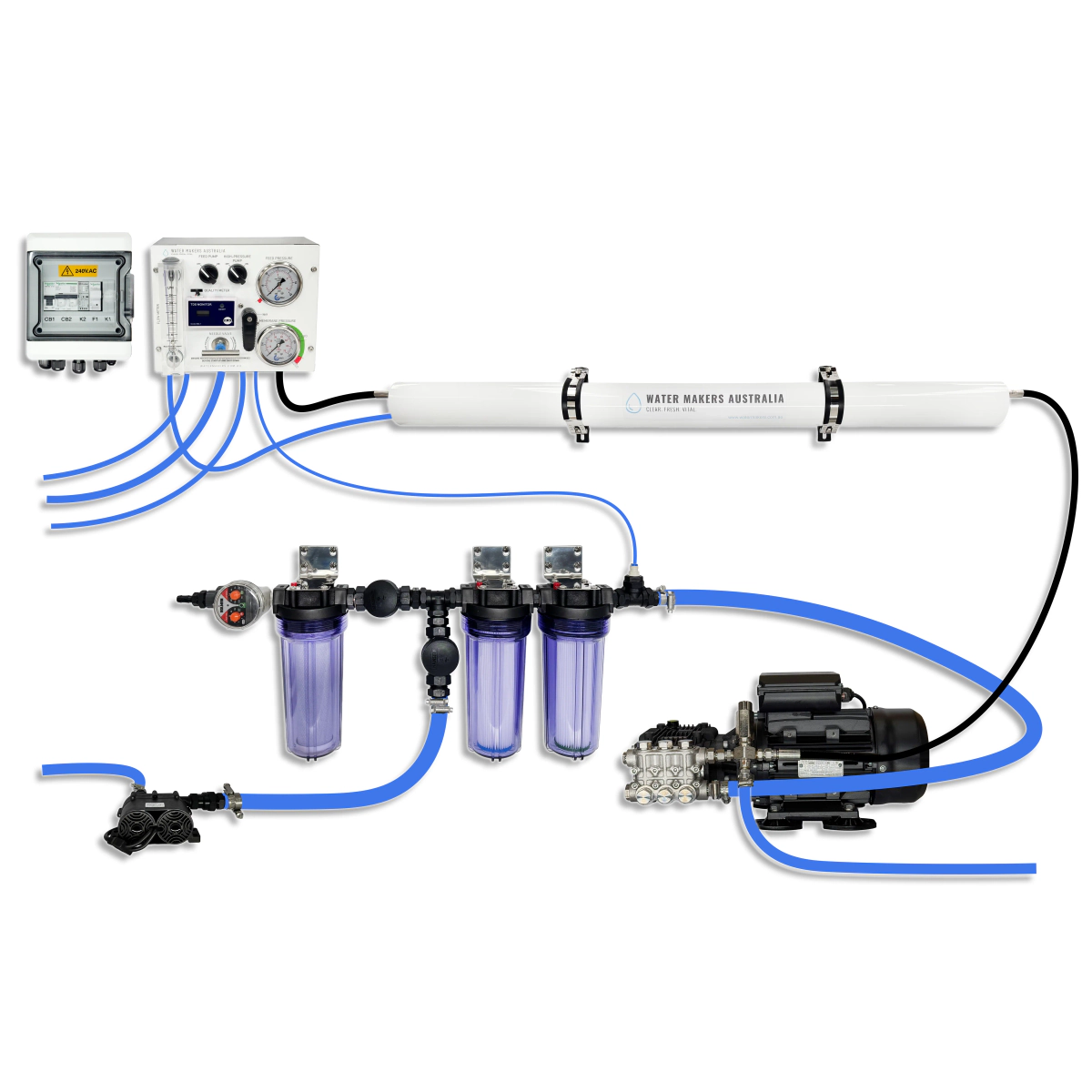
Single-membrane 240 V reverse-osmosis watermaker producing a nominal 80 L/h, built to order in Sydney for cruising boats of about 10 to 15 m with a generator or inverter.
Explore →