Loading this page…

Loading this page…
Marine electronics
About
Goaty's Marine provides specialist marine electrical, electronics and boatbuilding support from the Queenscliff area, with experience on cruising yachts, race boats and power vessels.
Service area: Queenscliff, Port Phillip, Bellarine and Victoria
Goaty's Marine provides specialist marine electrical, electronics and boatbuilding support from the Queenscliff area, with experience on cruising yachts, race boats and power vessels.
It is a practical option when you want the boat’s power, wiring and onboard technology approached as one connected system.
Goaty's Marine's published service information covers Marine electrical, electronics, Mastervolt systems, Simrad, boatbuilding, diagnostics, refits, vessel systems. That mix makes the business relevant for both fault-finding and planned upgrades, from sorting an unreliable circuit to modernising a larger onboard system.
Owners can discuss the boat, the equipment already aboard and the outcome they want before settling on the right repair, replacement or upgrade.
The business information currently available specifically references Simrad, Mastervolt. Brand suitability still depends on the vessel, existing network and installation, so it is worth confirming the exact model and compatibility when booking.
Goaty's Marine works across Queenscliff, Port Phillip, Bellarine and Victoria. Its listed base is Queenscliff Harbour, Queenscliff VIC 3225, which is handy context when arranging workshop work, a marina visit or mobile attendance.
Keep exploring
Hobart, Tasmania’s capital, sits on the Derwent River below kunanyi / Mount Wellington. It is the finish of the Sydney Hobart race and the base for cruising the D’Entrecasteaux Channel, Storm Bay and the south-east coast.

Look for a friendly club with beginner-focused training, accessible facilities and boats, a supportive community, clear safety practices, and opportunities to progress at your own pace.
Explore →
Pick a stable, simple, forgiving dinghy with a single sail or basic sloop rig, affordable handling and easy maintenance—ideally one with a local class or school nearby so you can access coaching and spare parts.
Explore →
Systematically compare interfaces, communication protocols and power/ground characteristics, then bench-test or simulate before final installation — confirm physical connectors, NMEA (0183, 2000) and seatalk compatibility, autopilot control inputs, data sentence requirements, and electrical load/voltage behaviour.
Explore →
Confirm the measurements that define how the sail or cover will fit your specific boat and rig, plus material, attachment details and any interaction with existing hardware (e.g. reefing points, battens, hatches). Measure on the boat and list serial or model details for spars and deck fittings if available.
Explore →Practical guide for recreational sailors planning passages, anchorages and visits to Ningaloo Reef and the Exmouth coast. Covers anchoring considerations, marine park rules and how local weather, tides and currents affect safety and enjoyment.
Explore →A practical guide to the coastal weather systems that affect sailing along Western Australia's coast, focusing on the Fremantle Doctor, local sea breezes, and linked coastal phenomena. Explains how these systems form, when they tend to occur, how they influence boat handling and passage planning, common mistakes, and a
Explore →
Practical guidance for recreational sailors in Australia on assessing swell, tide and wind, choosing the safest time to cross a coastal bar, preparing crew and gear, and making the decision to go or turn back.
Explore →Practical guidance for recreational sailors planning coastal and remote cruising in Western Australia, focusing on tidal planning, reef awareness, navigation and safety preparation tailored to local conditions.
Explore →
Peel-and-stick automatic fire suppressor for enclosed spaces up to 0.3 cubic metres, such as battery and electrical compartments. It activates at about 170 degrees Celsius with no power or wiring.
Explore →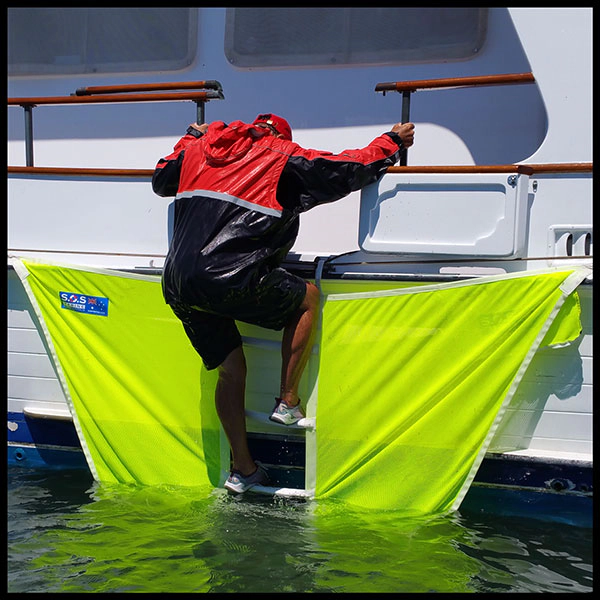
Soft five-step man-overboard recovery ladder made of knitted polyester mesh. It weighs 3.3 kg, folds to 500 x 300 mm and suits boats with up to six feet of freeboard.
Explore →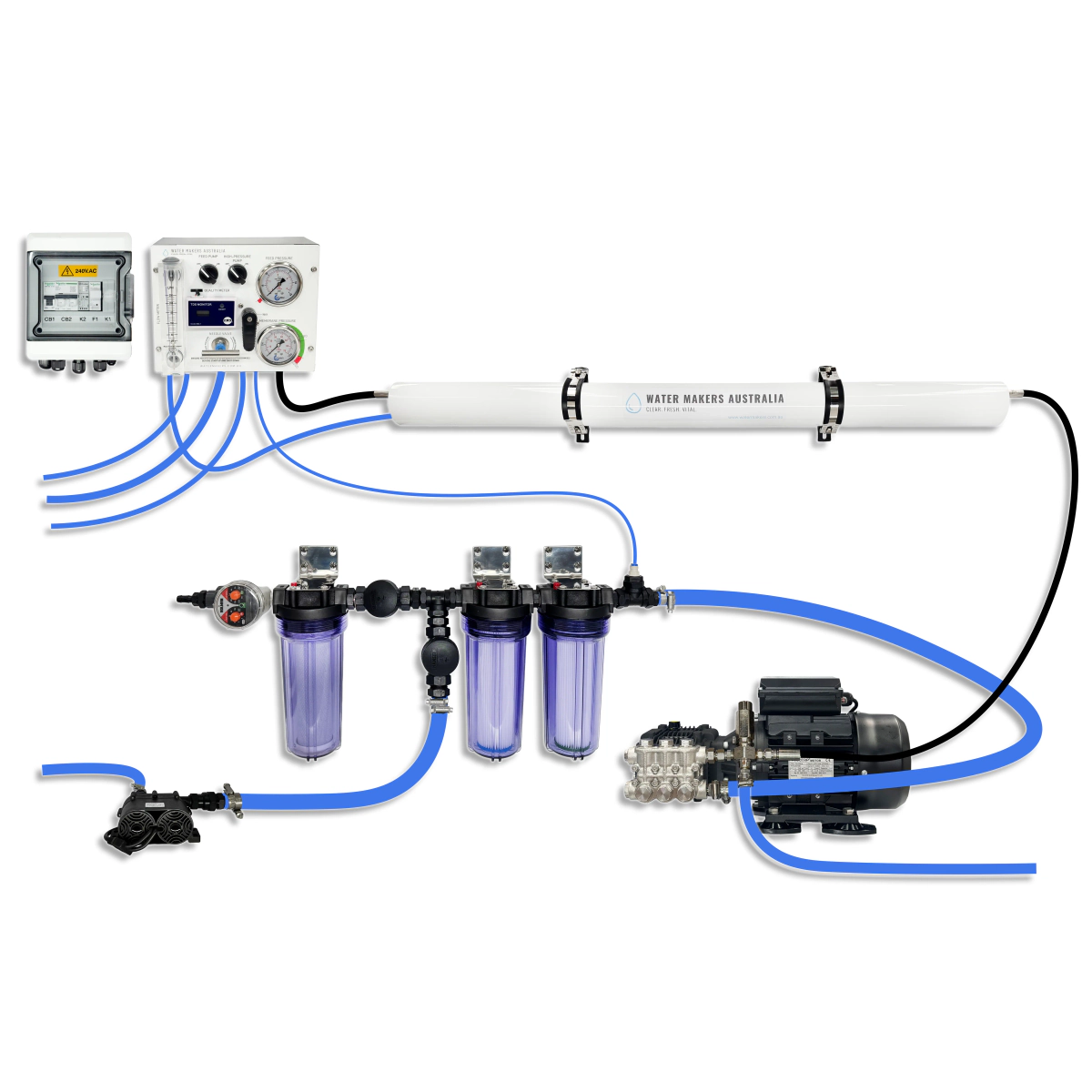
Single-membrane reverse-osmosis watermaker with a 1.1 kW motor, producing a nominal 60 L/h from a 2 kVA inverter or small generator, for cruising couples on boats of about 9 to 14 m.
Explore →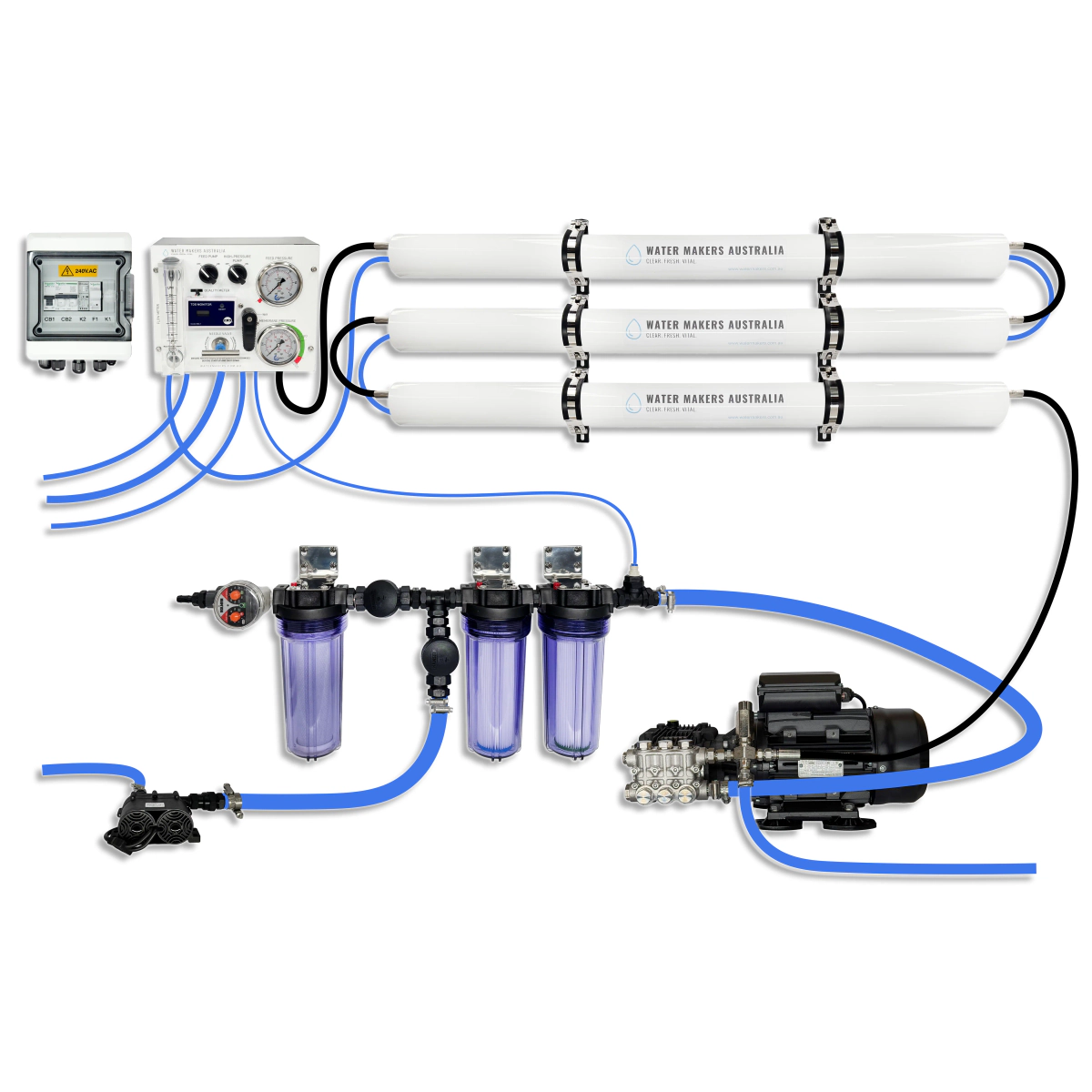
Triple-membrane 240 V reverse-osmosis watermaker producing a nominal 200 L/h, with manual controls, for liveaboard families, larger crews and charter boats from about 14 m.
Explore →