Loading this page…

Loading this page…
Marine electronics
About
Clow Marine is one of Victoria’s long-established marine electronics names, with roots reaching back to the 1960s. The Melbourne team specialises in Raymarine sales, installation and service, covering chartplotters, radar, autopilots and instrument systems for boats around Port Phillip and across Victoria.
Service area: Melbourne, Port Phillip and Victoria
Clow Marine brings decades of marine-electronics experience to Victorian boat owners. Its long history is valuable in a field where new networked displays often have to communicate with older sensors, wiring and equipment already aboard.
The team supplies, installs and services navigation electronics, including chartplotters, radar, autopilots and instruments. Fault finding and system upgrades are part of the work, whether the problem is an unreliable display, a sensor that drops off the network or an older installation due for replacement.
Clow Marine is particularly associated with Raymarine sales and support. That makes it a useful contact for owners working with Axiom displays, Raymarine radar, autopilot control and the wider SeaTalkNG ecosystem.
You want a Raymarine system installed or repaired, need old and new electronics integrated, or prefer a specialist with a long track record around Melbourne and Port Phillip.
Keep exploring

Clow Marine
Claim this listing to manage its contact details, profile and photographs yourself. You will need a free account; a YouSail administrator reviews every claim.
Claim this listingA practical, localised sailing guide to Forster (Wallis Lake and adjacent coast), aimed at recreational sailors. Covers geography and navigation character, seasonal conditions, main sailing areas and named features, anchorages, marinas, arrival considerations, shore facilities, specific hazards, regulatory constraints (marine parks, oyster leases, mooring rules) and suggested day(s)-to-week sailing experiences. Concludes with an indication of the type of sailors and boats best suited to the area.

Plan passages across Spencer Gulf or to Kangaroo Island by basing fuel on your boat’s actual consumption plus a generous reserve, choosing sensible staging/stop options that match your boat and crew, and prioritising shelter and weather windows (gale fronts, strong winds and tidal streams can make the gulf uncomfortable or unsafe). Confirm fuel availability, safe anchorages or marinas on your route, and check up-to-date local weather, tide and navigation information before you go.
Explore →
Write a one‑page plan with the who/what/when/where/how of your trip, keep a copy on board and leave the main copy with a responsible person ashore (and optionally with your club, marina office or local volunteer rescue service).
Explore →
Practise early, repeatable depowering (reefing and flattening), controlled sail-trim changes and deliberate, crew-led tacks/gybes so you keep heel, steerage and speed in a safe window as the Fremantle Doctor builds. Rehearse routines in sheltered water until they are second nature—clear commands, disciplined weight moves to windward and aft, and a quick, practised reef routine will prevent panicked mistakes.
Explore →
Progress gradually by increasing exposure, practising specific skills, sailing with more experienced crew/skippers, and deliberately training for each new step—start in calm sheltered bays, then move to longer trips, busier waters, stronger winds and finally open coastal passages when you and your crew are consistently competent and comfortable.
Explore →
A concise, practical guide to the points of sail and how to trim sails effectively for common Australian conditions. Learn the basics of wind angles, sail shape, telltales, reefing considerations and simple steps to improve boat speed and balance.
Explore →
Practical guidance for recreational sailors in Australia on assessing swell, tide and wind, choosing the safest time to cross a coastal bar, preparing crew and gear, and making the decision to go or turn back.
Explore →Practical guide for recreational sailors planning passages, anchorages and visits to Ningaloo Reef and the Exmouth coast. Covers anchoring considerations, marine park rules and how local weather, tides and currents affect safety and enjoyment.
Explore →
A practical checklist and explanation of the safety equipment recreational sailors should carry in Australian waters, with how to choose gear, use it correctly, and common mistakes to avoid.
Explore →Burke Yachtsman Gear Bag 40L - Shop Now Zip Pay | Tamar Marine Skip to content 59 – 63 Holbrook Street, Invermay Online Shop Open 24/7 Products search Contact us 1300 MARINE $ 0.00 0 Cart Burke Yachtsman Gear Bag 40L $ 79.90 Colour Choose an option Black Blue Black Blue Clear - Burke Yachtsman Gear Bag 40L quantity + Add to cart Enquire about this product SKU BAGB-Y24/BLACK* Category Bags - Sail & Gear A Burke classic and customer favourite, the Yachtsman’s Gear Bag is built tough to handle wet, salty conditions while keeping your gear dry and protected. Made from double coated waterproof…
Explore →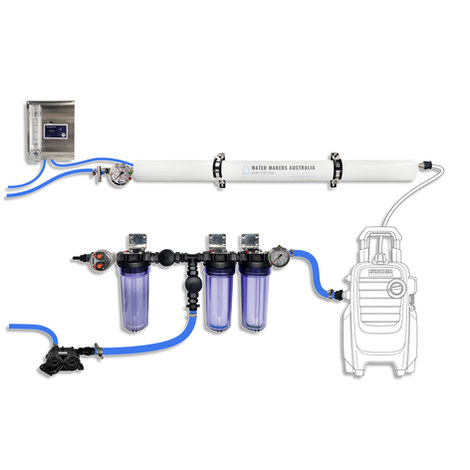
A one-membrane modular marine watermaker with 80 L/h nominal output, remote stainless control panel, standard consumables and direct Australian support.
Explore →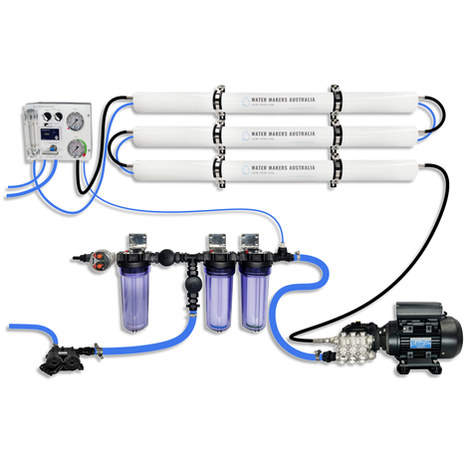
A three-membrane modular watermaker with 200 L/h nominal output and up to 240 L/h family-level marketing, for larger crews and heavy use.
Explore →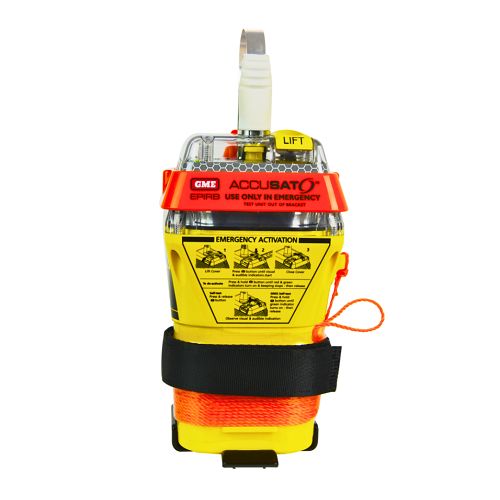
A 10‑year battery EPIRB with integrated GNSS (supports GPS and Galileo), infrared strobe and 121.5 MHz homing signal. Approved for worldwide COSPAS‑SARSAT operation.
Explore →