Loading this page…

Loading this page…
Marina service
About
Huskisson Public Wharves put visiting crews in the heart of Jervis Bay, close to waterfront dining, marine tours and remarkably clear coastal water.
Service area: Huskisson, Shoalhaven, NSW
Keep exploring
The wharves connect boaters directly with Huskisson’s cafés, restaurants and services in a harbour shared with dolphin-watching and wildlife-cruise operators.
These are public access facilities rather than a full-service marina. Regional pump-out infrastructure supports responsible boating, while town services are close by.
Jervis Bay rewards crews with white-sand beaches, sheltered coves and rich marine life, making Huskisson an ideal town-side stop.
Satellite imagery at four heights, from the wider harbour to the berths.
Adelaide’s metropolitan coast fronts the eastern side of Gulf St Vincent and mixes short, sheltered bay sailing around Holdfast Bay and the Patawalonga with more exposed, open-water sailing north toward Outer Harbour and along the Le Fevre Peninsula. The area suits a wide range of activity — sheltered day sails, club and trailer-sailer racing, short coastal cruising into the Fleurieu and Yorke Peninsula, and launch-and-home-port racing — but demands local knowledge about shipping channels, tidal flows in the Port River/Outer Harbour approaches, and seasonal wind patterns.

Progress gradually by increasing exposure, practising specific skills, sailing with more experienced crew/skippers, and deliberately training for each new step—start in calm sheltered bays, then move to longer trips, busier waters, stronger winds and finally open coastal passages when you and your crew are consistently competent and comfortable.
Explore →
Follow the basic COLREGs: keep a proper lookout, maintain safe speed and steering to avoid collisions, know which vessel ‘gives way’ and which ‘stands on’, use correct lights and sound signals, and keep clear of restricted waters and traffic lanes. Check local harbour rules and AMSA guidance for specifics.
Explore →
Immediate action is to shout and point, keep the casualty in sight, assign a spotter, throw a flotation device, and manoeuvre the boat for a controlled recovery while preparing the crew and equipment for the pickup.
Explore →
Check condition, compatibility and provenance: inspect cloth, seams and stitching, UV and water damage, measurements and fit to your mast/boom and fittings, and the age and repair history of sails, spars and standing/ running rigging before buying online.
Explore →
Practical guidance for recreational sailors in Australia on assessing swell, tide and wind, choosing the safest time to cross a coastal bar, preparing crew and gear, and making the decision to go or turn back.
Explore →
A concise, practical guide to the points of sail and how to trim sails effectively for common Australian conditions. Learn the basics of wind angles, sail shape, telltales, reefing considerations and simple steps to improve boat speed and balance.
Explore →Practical guidance for recreational sailors planning to cross coastal bars in New South Wales. Explains how to assess conditions, plan a crossing, prepare equipment and crew, recognise hazards and manage emergencies, with checklists and realistic examples relevant to NSW waters.
Explore →A practical guide to the coastal weather systems that affect sailing along Western Australia's coast, focusing on the Fremantle Doctor, local sea breezes, and linked coastal phenomena. Explains how these systems form, when they tend to occur, how they influence boat handling and passage planning, common mistakes, and a
Explore →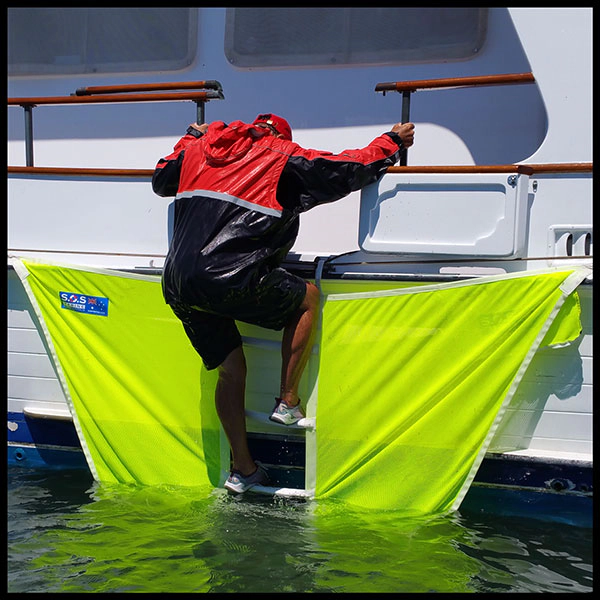
Soft five-step man-overboard recovery ladder made of knitted polyester mesh. It weighs 3.3 kg, folds to 500 x 300 mm and suits boats with up to six feet of freeboard.
Explore →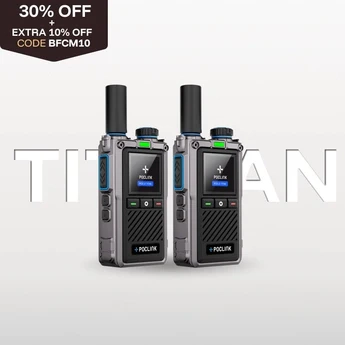
Metal-bodied 4G push-to-talk radio with GPS and SOS in the GPS variant and a lifetime SIM plan included. Sold as a two-pack.
Explore →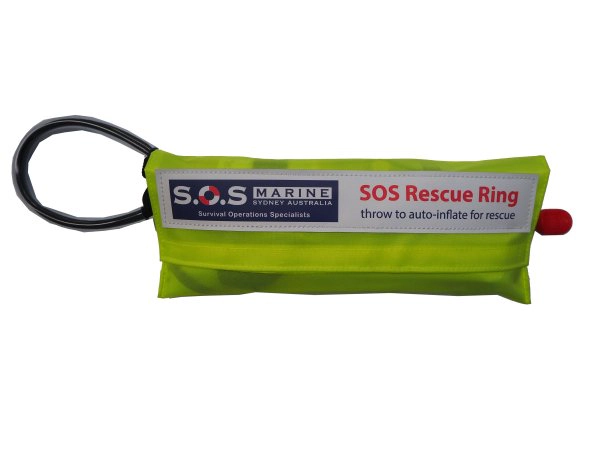
Compact throwable flotation ring that inflates automatically when it reaches the water. It packs to 300 x 120 mm and weighs about 590 g with its CO2 cylinder.
Explore →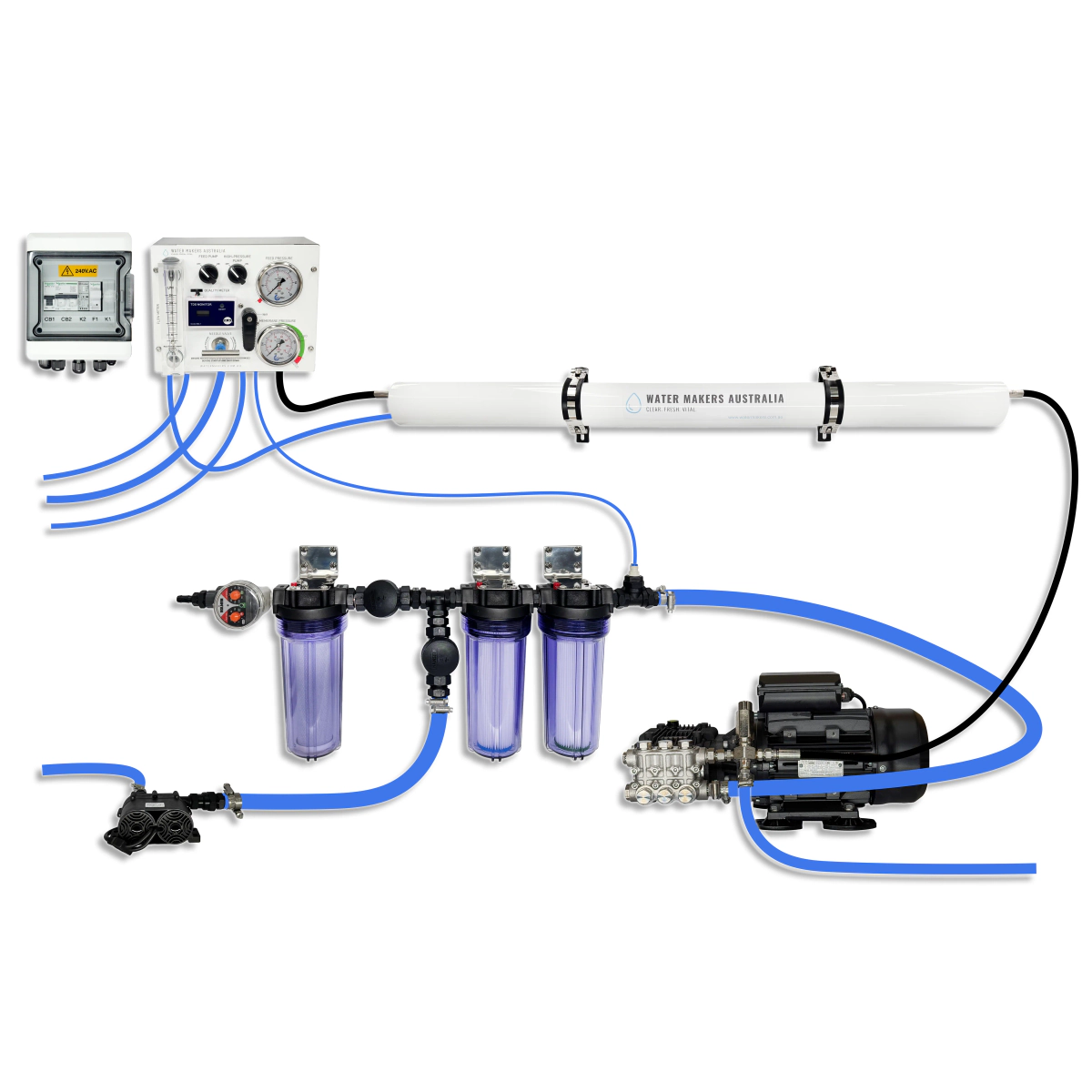
Single-membrane 240 V reverse-osmosis watermaker producing a nominal 80 L/h, built to order in Sydney for cruising boats of about 10 to 15 m with a generator or inverter.
Explore →