Loading this page…

Loading this page…
Marina service
About
King Street Wharf offers an unforgettable Sydney arrival, placing visiting vessels beside Barangaroo, waterfront dining and the energy of Darling Harbour.
Service area: Darling Harbour
Keep exploring
King Street Wharf is one of Sydney’s most recognisable waterfront destinations. Its central location makes it a natural arrival point for commercial vessels and harbour experiences, with restaurants, bars, hotels and city attractions immediately ashore.
The working wharf supports Sydney Harbour operators and passenger activity in a busy city environment. Nearby transport, provisioning and hospitality make the precinct highly convenient.
From here, the Harbour Bridge, Opera House and eastern harbour are moments away, while Barangaroo and the CBD unfold directly behind the waterfront.
Satellite imagery at four heights, from the wider harbour to the berths.

Plan to transit Sydney Heads and northern NSW estuary entrances to take advantage of favourable tidal streams or slack water; account for local acceleration over shoals, eddies, wind-on-current effects and river discharge, and always check the latest local observations and tide/stream products before departure.
Explore →
Plan as a chain of conservative daily legs tied to your boat’s real-world fuel and speed in the expected sea state, with confirmed primary and alternate anchorages/berths, fuel legs and back-up fuel options, and a documented emergency/diversion plan (comms, tow and med-evac). Build tidal and weather gates into each leg and carry chart and comms redundancy.
Explore →
Expect the usual IALA-B lateral system (red and green), cardinal and isolated-danger marks, safe-water and special marks, plus harbour-specific fairway buoys, leading/transit marks and exclusion or speed‑limit buoys. Check local harbour charts and Notices to Mariners for exact positions and light characteristics before entry.
Explore →
Before the season: confirm seaworthiness — hull, rig, engine, electrics, sails and safety gear — and replace or service wearable items. After the season: wash, dry and protect gear, service consumables and record what you did so the boat’s ready and reliable next season.
Explore →A practical, step‑by‑step guide for recreational sailors on Sydney Harbour covering navigation, local weather and tides, safe anchoring, berthing, common routes, rules of the road, and useful checklists tailored to Australian conditions.
Explore →
A concise, practical guide to the points of sail and how to trim sails effectively for common Australian conditions. Learn the basics of wind angles, sail shape, telltales, reefing considerations and simple steps to improve boat speed and balance.
Explore →Practical guide for recreational sailors visiting Albany and King George Sound. Covers typical weather patterns, sheltered anchorages, local hazards, tides and currents, berthing and shore access, pre-departure checks and sensible safety practices tailored to south-west Western Australia.
Explore →A practical, Australian-focused guide explaining how sails generate drive, the points of sail, and how to trim sails for different conditions. Includes simple explanations of aerodynamic concepts, step-by-step trim checks, common mistakes and clear next steps for practice on the water.
Explore →
The entry-level Poclink push-to-talk radio: 4G mobile network only, three years of service included, sold as a two-pack for half the price of the Pro and Ultra.
Explore →
A four-sticker pack (one F01, two F03 and one F09) that puts automatic fire suppression in the electrical panel, battery compartment, gas locker and engine space in one purchase.
Explore →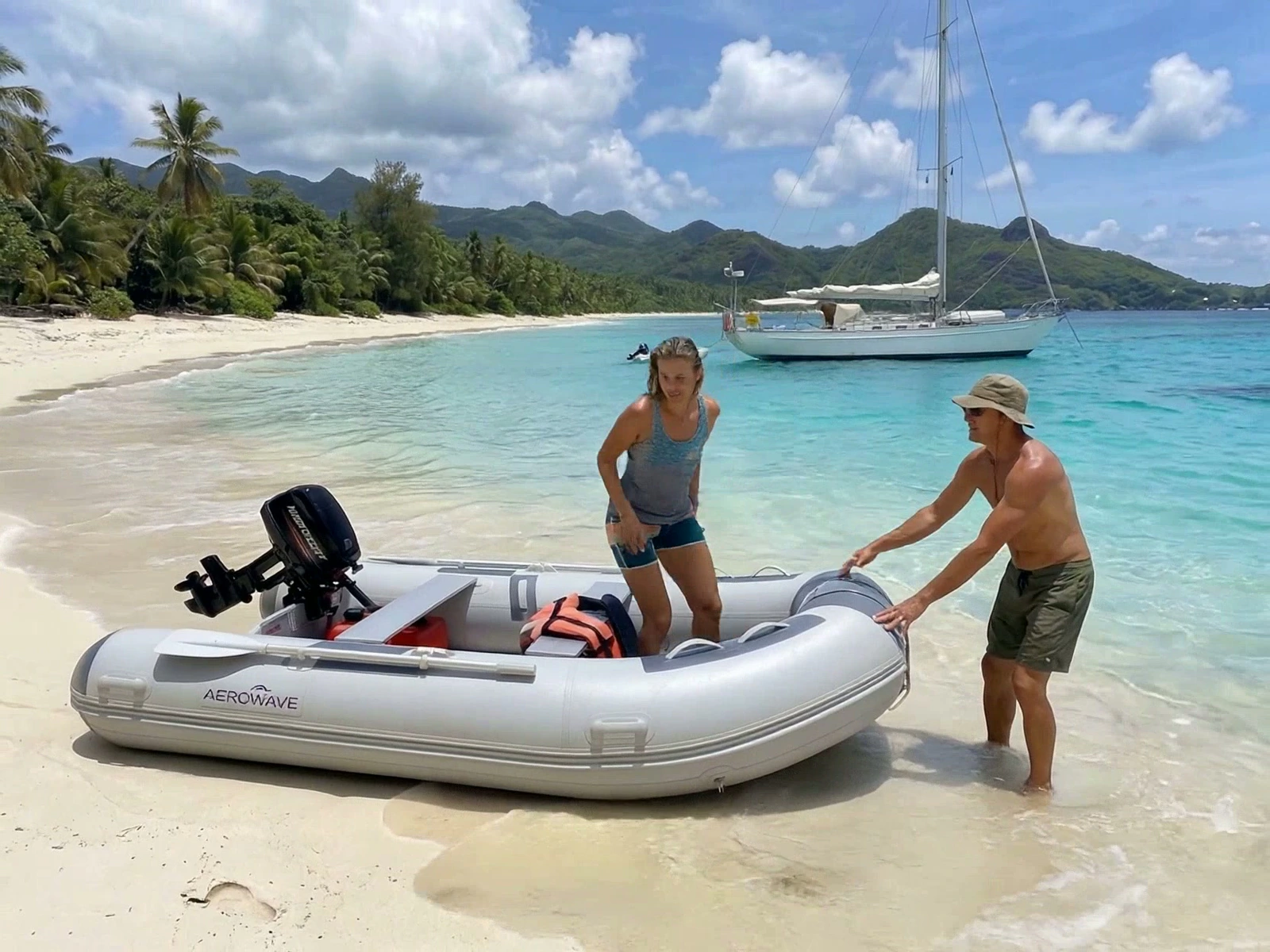
A 2.7 m air-deck inflatable tender in 1.2 mm Valmex PVC with thermo-welded seams. It weighs 49 kg, carries up to 484 kg and takes an outboard of about 10 HP.
Explore →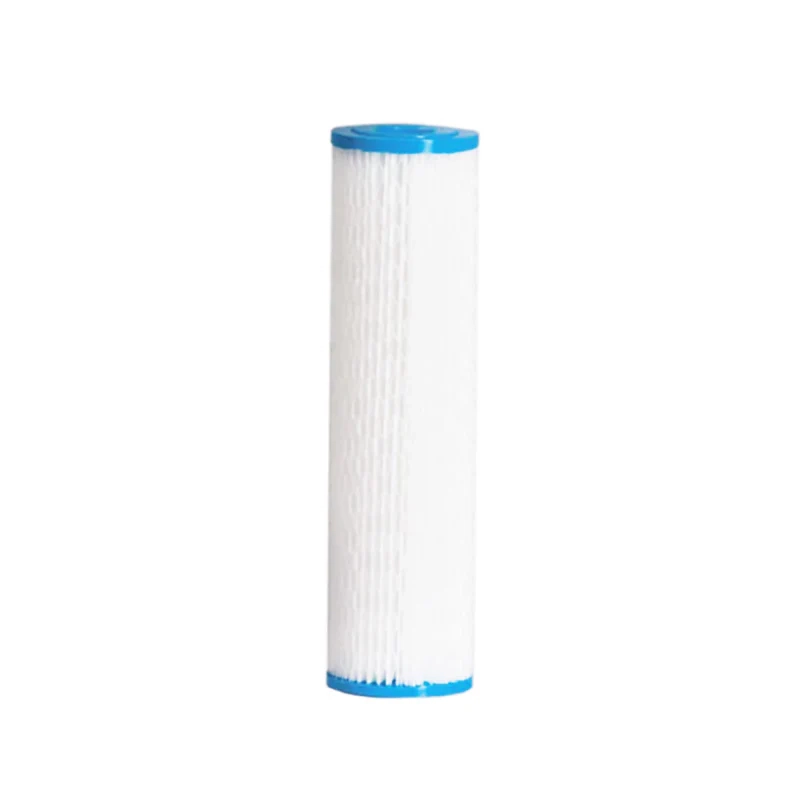
Standard 10 x 2.5 inch pleated poly cartridge rated at 5 micron. It is the second-stage pre-filter that removes fine sediment before the high-pressure pump, and it can be rinsed and reused.
Explore →