Loading this page…

Loading this page…
About
Specialist marine first-aid training and offshore medical-kit expertise for racers, cruisers, superyacht crews and skippers preparing for emergencies beyond immediate help.
Service area: Australia-wide
Marine Medical Solutions focuses on a reality every offshore skipper understands: at sea, help may be hours or days away. Its Gold Coast team brings medical preparation into a distinctly marine context.
Training and equipment planning are shaped for offshore racing, cruising and professional yachts, helping crews think beyond a generic workplace first-aid box.
Keep exploring
Practical emergency-care training for the injuries, illnesses and delayed assistance crews may encounter at sea.
Support for crews meeting race requirements and planning an effective, accessible onboard medical kit.
Guidance on selecting supplies for the length, remoteness and medical needs of a cruising passage.
Professional-grade kit design and equipment support for larger yachts and working crews.
Keep onboard supplies current, complete and ready instead of discovering gaps during an emergency.
This is training with an immediate payoff: clearer thinking, better preparation and a crew that is far more useful if something goes wrong offshore.
Practical, harbour‑to‑sea sailing guide for Tweed Heads (NSW), with detailed description of the Tweed River entrance, local sailing areas, seasonal patterns, anchorages, facilities, hazards and regulations. Emphasises the Tweed River bar and sand‑bypassing operations, connections to southern Gold Coast waterways, and realistic sailing experiences for day sailors, trailer yachts and coastal cruisers.

Before your first sail in South Australian waters check the weather and tide, make sure the boat and safety equipment are fit for the trip, confirm local rules and any area-specific hazards, and tell someone your plan.
Explore →
Legal safety equipment for recreational boats in South Australia depends on the type, size and where you operate; you must check the current SA government requirements for your vessel. Independently of legal minimums, carry a sensible set of recommended items (lifejackets, means of communication, signaling, fire protection, anchor and basic tools) and make them usable and maintained.
Explore →
A good float plan and a well-stocked emergency kit significantly improve your chances of a safe outcome when cruising remote parts of South Australia’s coastline. The float plan should give someone ashore all the information they need to find you and raise help if you don’t return; the emergency kit should allow you to stabilise the boat, care for injuries, signal for rescue and survive until help arrives.
Explore →
Legal requirements can change — check Transport for NSW for the current rules. As a practical baseline for coastal day sailing from NSW shores: keep the right number and type of lifejackets for everyone, have a means of calling for help, show navigation lights if you’ll be out after dusk, and carry basic items to manage a man‑overboard or abandon‑ship situation. Add anchor, bilge/bailer, sun/protection and basic repair kit as recommended items.
Explore →A practical guide to preparing, planning and executing a recreational offshore passage along the New South Wales coast. Covers route selection, weather and tidal considerations, vessel and crew checks, safety equipment, communication, watchkeeping and common mistakes, with clear pre‑departure and underway checklists.
Explore →
A practical guide to the safety equipment commonly carried on recreational sailing boats in Australia: lifejackets, EPIRBs/PLBs, flares, radios, fire extinguishers, liferafts, jacklines, first-aid and how state requirements influence what you must carry.
Explore →Practical guide for recreational sailors planning passages, anchorages and visits to Ningaloo Reef and the Exmouth coast. Covers anchoring considerations, marine park rules and how local weather, tides and currents affect safety and enjoyment.
Explore →A practical guide for recreational sailors planning short trips or multi-day cruises around Port Stephens, the Myall Coast and nearby offshore waters. Covers local geography, common conditions, navigation considerations, anchoring and mooring tips, and safety checklists tailored to Australian conditions.
Explore →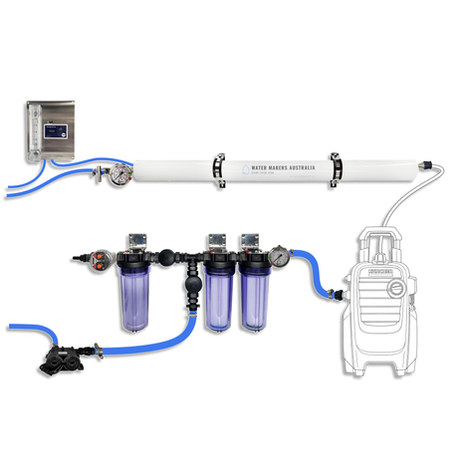
A one-membrane modular marine watermaker with 80 L/h nominal output, remote stainless control panel, standard consumables and direct Australian support.
Explore →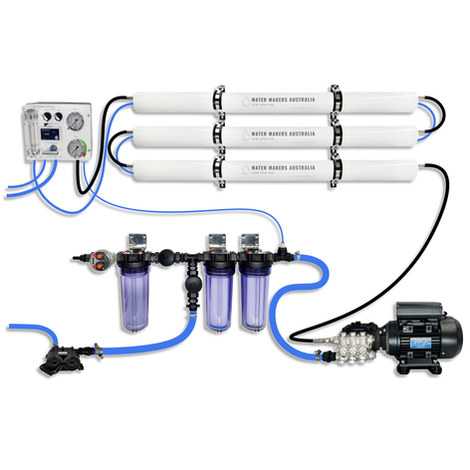
A three-membrane modular watermaker with 200 L/h nominal output and up to 240 L/h family-level marketing, for larger crews and heavy use.
Explore →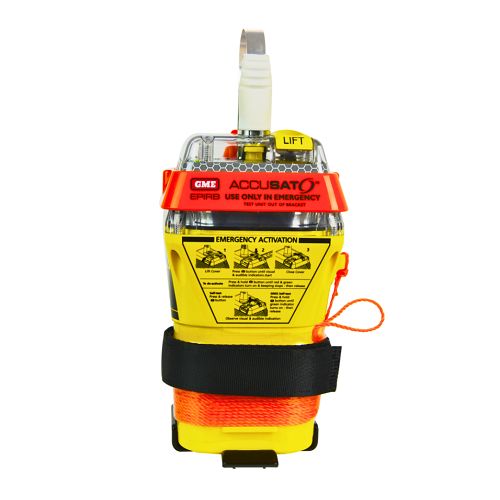
A 10‑year battery EPIRB with integrated GNSS (supports GPS and Galileo), infrared strobe and 121.5 MHz homing signal. Approved for worldwide COSPAS‑SARSAT operation.
Explore →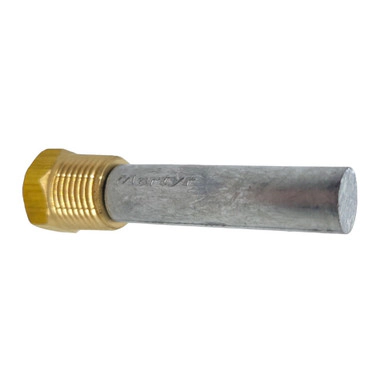
Imported from All Marine Spares. This draft has no editorial summary yet.
Explore →