Loading this page…

Loading this page…
About
Melbourne Marine Electronics provides mobile marine electronics and electrical system design across Port Phillip and Western Port, covering navigation, instruments, energy management and integrated onboard systems.
Service area: Port Phillip, Western Port, Mornington Peninsula and Melbourne
Melbourne Marine Electronics provides mobile marine electronics and electrical system design across Port Phillip and Western Port, covering navigation, instruments, energy management and integrated onboard systems.
Melbourne Marine Electronics advertises Navigation; instruments; autopilots; communications; lighting; energy management; AV; engine data; automation; electrical design. Its workshop, marina base or principal operating location is Mobile service, Mornington Peninsula VIC. The practical service coverage is Port Phillip, Western Port, Mornington Peninsula and Melbourne. Marine electrical or marine electronics work is a core part of this business.
Keep exploring
Marine electrical systems operate in an unusually harsh environment. Salt, vibration, heat, confined spaces and persistent moisture can expose weak connections and poor installation work quickly. A competent marine electrical job should use appropriate cable, terminals, circuit protection and mounting methods, with cables supported and labelled so future fault finding does not become a guessing exercise.
Owners should expect the electrician to look beyond the failed component when there are repeated blown fuses, low voltage, unexpected battery drain or intermittent electronics. The underlying issue may be voltage drop, corrosion, undersized cabling, poor crimping, a failing battery, incorrect charging or an overloaded distribution circuit.
Electronics installation is also an electrical-system task. Chartplotters, radar, AIS, autopilot, instruments and engine gateways may share NMEA 2000, SeaTalkNG or NMEA 0183 networks and depend on clean power, correct termination and reliable data sources. A well-planned installation considers network architecture, voltage drop, antenna location, software compatibility and service access rather than treating each display as a stand-alone device. Generator, switchboard and automation projects add another level of complexity.
Load sharing, transfer arrangements, protective devices, control wiring, alarms and monitoring need to behave predictably during faults and source changes. On commercial or larger vessels, documentation, test results and clear labelling become especially valuable for future technicians and survey work.
For a fault-finding job, provide the vessel make and model, battery-bank voltage, symptoms, when the problem occurs, and photographs of switchboards, batteries and equipment labels where possible. For a refit, a useful quote should identify the major equipment, cable and protection changes, whether drawings or circuit schedules will be supplied, the testing and commissioning process, and any work that requires a licensed mains-voltage electrician.
If lithium is involved, ask how alternator protection, charging profiles, battery management, emergency isolation and start-battery interaction will be handled. If navigation electronics are involved, ask whether the existing network and sensors are compatible before purchasing new displays.
Customer perspective
★ 5.0 · 4 Google reviews
“Steve is a great bloke, really knowledgable, helped me sort out some issues on the cat that were plagueing me for years. Highly recommend! Thanks mate”
Thanks Mark. Have a good, safe trip.
“Fantastic. Very knowledgeable. Prompt and excellent service. Thanks”
“Steve helped me sort my depth sounder problem, super friendly and helpful guy and honesty and integrity far beyond what one tends to find these days....Thanks”
“Sent Melbourne Marine Electronics my 2004 Lowrance chartplotter / sonar to see why Navionics map would not load up. Despite the recommendation of the manufacturer to bin it and purchase up to date equipment, Steve found the loose plug and now we have charts!! Top job Steve, very thorough and professional service .. good to know I now have a trusted marine electronics team to keep me safe on the water”

Taking pets between Australian states and into marinas or national parks is governed by state and territory biosecurity/quarantine rules, local council and marina policies, and the management rules of parks. Requirements vary by jurisdiction and by the species of animal, so check the relevant state/territory biosecurity office, the park management agency and the marina operator before you travel.
Explore →
Look for consistent, verifiable detail across multiple photos and reviews, check timestamps, reviewer credibility and metadata where possible, and cross‑check with independent sources — treat overly perfect images or identical language with caution.
Explore →
Progress gradually by increasing exposure, practising specific skills, sailing with more experienced crew/skippers, and deliberately training for each new step—start in calm sheltered bays, then move to longer trips, busier waters, stronger winds and finally open coastal passages when you and your crew are consistently competent and comfortable.
Explore →
Pick a ramp that matches your boat size and trailer setup, has safe approach and exit conditions (depth, slope, surface), good onshore parking and flow, and follow simple ramp etiquette: queue, help others, rig off the trailer when clear, and secure your vessel quickly.
Explore →Practical guide for recreational sailors planning passages, anchorages and visits to Ningaloo Reef and the Exmouth coast. Covers anchoring considerations, marine park rules and how local weather, tides and currents affect safety and enjoyment.
Explore →Practical guidance for recreational sailors planning coastal and remote cruising in Western Australia, focusing on tidal planning, reef awareness, navigation and safety preparation tailored to local conditions.
Explore →
A practical, Australia-focused guide for planning and sailing around the Whitsunday Islands: weather and seasons, navigation and anchoring, moorings and parks, provisioning and charters, safety and common mistakes, plus checklists and next steps.
Explore →A practical guide for recreational sailors planning short trips or multi-day cruises around Port Stephens, the Myall Coast and nearby offshore waters. Covers local geography, common conditions, navigation considerations, anchoring and mooring tips, and safety checklists tailored to Australian conditions.
Explore →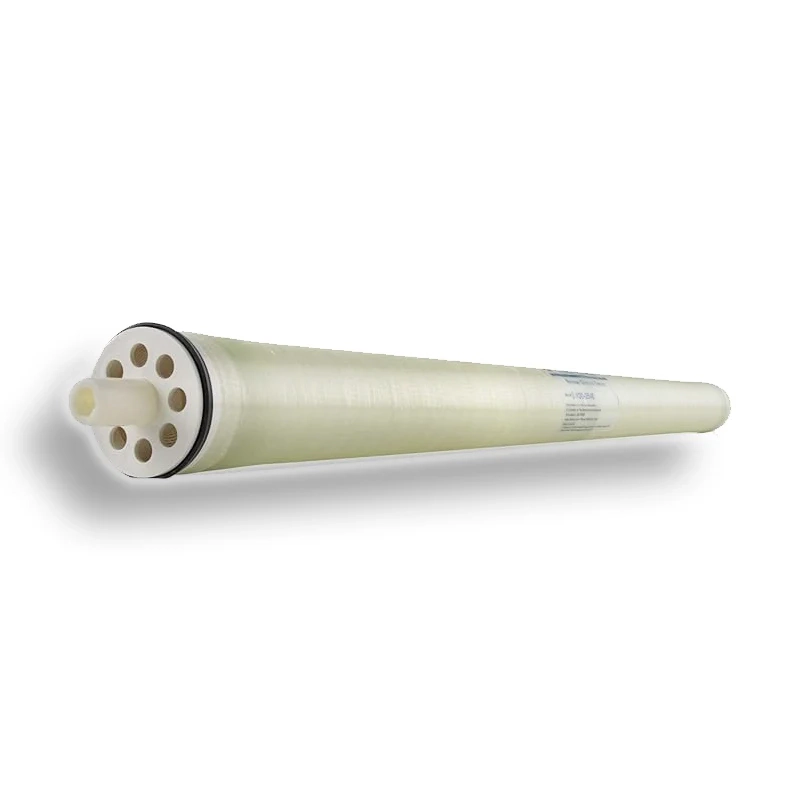
Spare 2.5 x 40 inch seawater reverse-osmosis membrane, the element used in every Water Makers Australia system and a common size across many other watermakers.
Explore →
Peel-and-stick automatic fire suppressor for enclosed spaces up to 0.3 cubic metres, such as battery and electrical compartments. It activates at about 170 degrees Celsius with no power or wiring.
Explore →
A four-sticker pack (one F01, two F03 and one F09) that puts automatic fire suppression in the electrical panel, battery compartment, gas locker and engine space in one purchase.
Explore →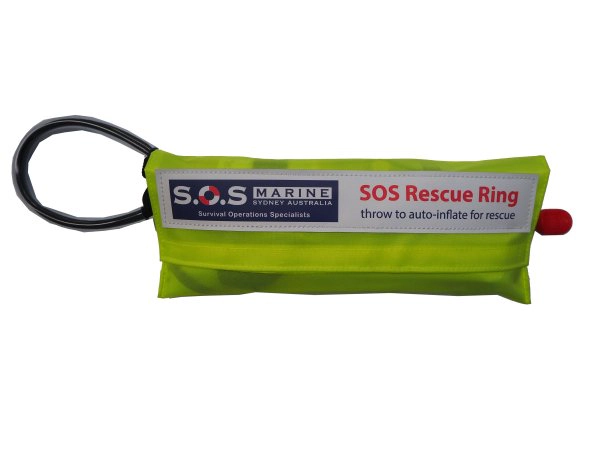
Compact throwable flotation ring that inflates automatically when it reaches the water. It packs to 300 x 120 mm and weighs about 590 g with its CO2 cylinder.
Explore →