“Res was a great guy . Very knowledgeable. Loves a chat . His passion for motors and marine comes through . Very much recommend”
Loading this page…
Loading this page…

About
Mobile Marine Service appears to offer boat-related repair and mobile marine services from an address in Cromer, NSW. Public listing includes a phone number, website, weekday opening hours and a Google Place entry.
Customer perspective
★ 5.0 · 21 Google reviews
“Res was a great guy . Very knowledgeable. Loves a chat . His passion for motors and marine comes through . Very much recommend”
Keep exploring
Other marine service
Johnson Bros Enterprise MarineMona Vale, NSW5.0 · 53 Google reviews
View profileOther marine service
BCF Belrose | Boating, Camping & Fishing StoreBelrose, NSW4.4 · 252 Google reviews
View profile“A rare find! A true expert that knew what he was doing, got the right parts and got it all done and finished and clean and tidy. Excellent service”
Thank you!🙏
“Had a good experience, res is very knowledgeable and used diagnostic equipment to sort out the issues. Highly recommend giving him a call”
Thank you Larry!
“I have nothing but good things to say about this man, if you want no fuss and good work you can trust then you are in the right place 👍😎”
Thanks Tommy, much appreciated! Watch out fish, Tommy is coming to get yall!😊
“Service was excellent. Technician Res’s experience and knowledge in the marine industry would be one of the best. I highly recommend Mobile Marine Service.”
Thank you Chris

Usually not for a small sailing dinghy. In NSW a boat driving licence is needed only to drive at 10 knots or more, or to drive a personal watercraft, and a vessel must be registered if it has an engine of 4 kW or more, is 5.5 m or longer, or needs a mooring licence or marina berth. A trailer towed on public roads needs its own registration.
Explore →
Legal requirements can change — check Transport for NSW for the current rules. As a practical baseline for coastal day sailing from NSW shores: keep the right number and type of lifejackets for everyone, have a means of calling for help, show navigation lights if you’ll be out after dusk, and carry basic items to manage a man‑overboard or abandon‑ship situation. Add anchor, bilge/bailer, sun/protection and basic repair kit as recommended items.
Explore →
Plan as a chain of conservative daily legs tied to your boat’s real-world fuel and speed in the expected sea state, with confirmed primary and alternate anchorages/berths, fuel legs and back-up fuel options, and a documented emergency/diversion plan (comms, tow and med-evac). Build tidal and weather gates into each leg and carry chart and comms redundancy.
Explore →
Before the season: confirm seaworthiness — hull, rig, engine, electrics, sails and safety gear — and replace or service wearable items. After the season: wash, dry and protect gear, service consumables and record what you did so the boat’s ready and reliable next season.
Explore →Practical guidance for recreational sailors planning to cross coastal bars in New South Wales. Explains how to assess conditions, plan a crossing, prepare equipment and crew, recognise hazards and manage emergencies, with checklists and realistic examples relevant to NSW waters.
Explore →A concise, practical introduction to the essential parts of a recreational sailing boat for beginners in Australia. Covers hull, deck, rigging, sails, steering, below-decks spaces and safety equipment, with simple explanations, common mistakes and a pre-sail checklist to help new sailors communicate and get underway.
Explore →A practical guide for recreational sailors on using VHF marine radios safely and effectively in Australian waters: basic operation, channel use, emergency procedures, DSC basics, common mistakes and a ready checklist for pre-departure and on-water use.
Explore →Practical guidance for recreational sailors in New South Wales on navigating marine parks, using moorings and anchoring responsibly. Covers how to plan passages, approach moorings, set and retrieve an anchor, minimise environmental impact and follow local rules.
Explore →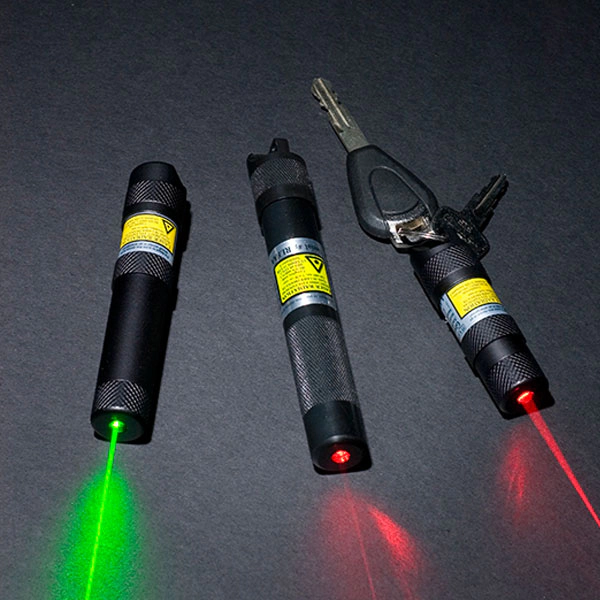
Hand-held, non-flammable laser signalling devices for day and night use, in red, green and Magnum versions, waterproof to 24 m and running for 5 to 72 hours on a battery.
Explore →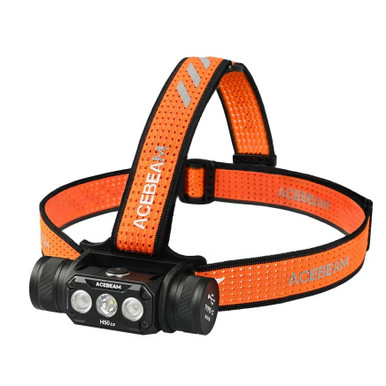
A 2000 lumen headlamp with spot and flood beams, rated IP68 and submersible to 2 metres, with a 141 metre beam and up to 30 hours on low.
Explore →
Push-to-talk radio that works over 4G mobile networks and Wi-Fi, including a Starlink router, with GPS tracking and an SOS button. Sold as a two-pack.
Explore →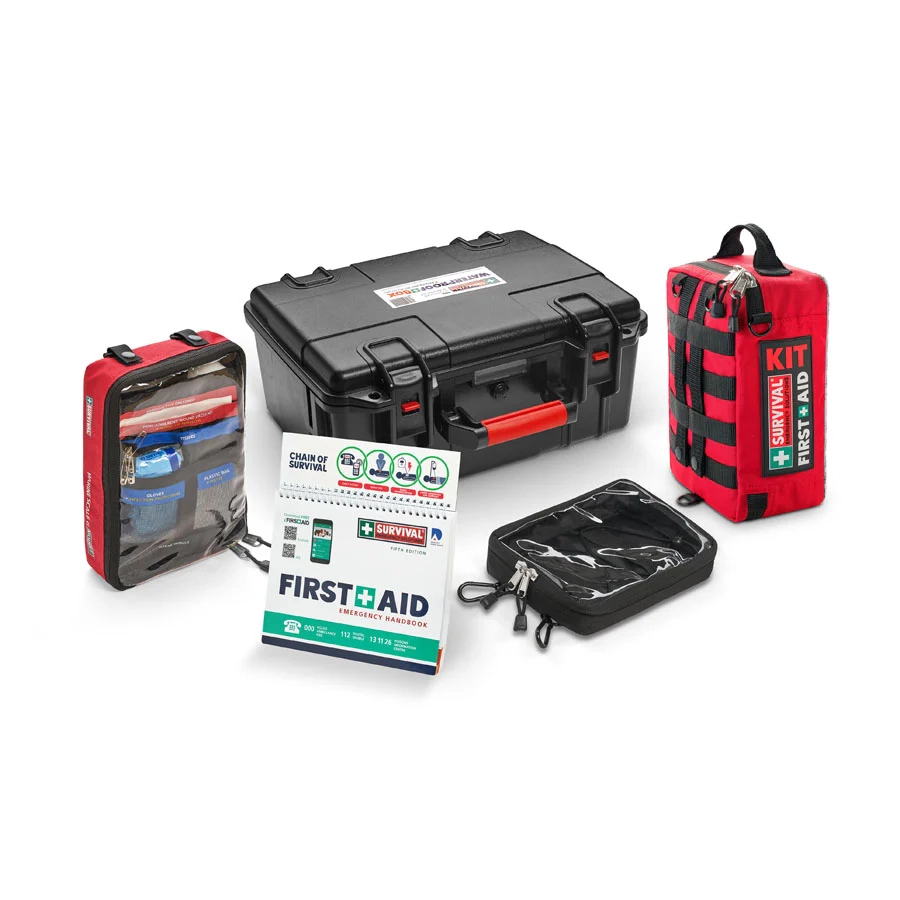
A 142-item marine first aid kit built around the Australian Scale G requirement, with a workplace kit, a Scale G module and a handbook packed in a large waterproof box.
Explore →