Loading this page…

Loading this page…
About
Ocean Force is a Cairns-based marine and lifting specialist serving recreational, commercial and industrial customers. Its rope capability includes synthetic cordage, wire rope and fabricated or spliced assemblies, which makes the business relevant to yacht owners as well as heavier commercial marine work.
Service area: Cairns, Far North Queensland and marine/commercial customers Australia-wide
Ocean Force is a Cairns-based marine and lifting specialist serving recreational, commercial and industrial customers. Its rope capability includes synthetic cordage, wire rope and fabricated or spliced assemblies, which makes the business relevant to yacht owners as well as heavier commercial marine work.
Ocean Force currently offers Synthetic rope; wire rope; rope splicing; mooring systems; lifting and rigging products; inspection and testing. The workshop or operating location is 39 Tingira Street, Portsmith, Cairns QLD 4870, with service coverage described as Cairns, Far North Queensland and marine/commercial customers Australia-wide. Ocean Force currently lists synthetic marine mooring rope, Dyneema products, fibre-rope splicing, wire-rope swaging, inspection and testing from its Cairns operation.
Its strongest fit is commercial, offshore and superyacht rope work. Custom splicing is particularly useful for halyards, sheets, dock lines, anchor rodes and other applications where a compact finished eye or purpose-made termination is preferable to a bulky knot. Where wire, swaging or standing rigging is involved, the work should be specified around the actual rig, terminal type and expected load rather than treated as a generic rope replacement.
Mooring and pen-line work needs enough strength, elasticity and chafe protection for the berth and local exposure, so finished assemblies should be selected around the vessel rather than diameter alone.
Keep exploring
This business is relevant primarily at the heavy-duty end of the rope and mooring market. Its normal customers may include commercial vessels, offshore operators, ports or larger yachts rather than a sailor replacing one sheet or halyard. That distinction matters because commercial rope systems can involve certification, traceability, testing and engineered mooring loads that go well beyond an ordinary chandlery purchase.
For rope or rigging enquiries, owners should provide the boat type, intended use, approximate length, current diameter, existing hardware and any preferred end treatment. Halyards, sheets, reefing lines, furling lines and mooring lines have different stretch, handling and abrasion requirements. Commercial or offshore products can be engineered around certification, inspection and much higher design loads than normal recreational equipment.
Yacht owners should explain their actual use case rather than assuming the largest commercial specification is automatically the best choice. Boat-specific work should be quoted against the actual vessel wherever possible. Dimensions, access, existing fittings, condition of mounting points and the amount of removal, repair or fabrication required can materially change the job. For canvas and upholstery, material selection should consider UV exposure, salt, moisture, ventilation, cleaning and how the item will be stored.
For rope and rigging, line construction, diameter, stretch, chafe, working load and compatibility with winches, clutches, sheaves or terminals all matter.
Ocean Force is relevant to boat owners in Cairns, Far North Queensland and marine/commercial customers Australia-wide.
Bermagui is a compact south‑coast fishing port and coastal village on New South Wales’ Sapphire Coast. It’s best known to sailors for its working harbour, access to productive offshore grounds and a reachable string of sheltered bays and beaches. The sailing here mixes short coastal passages, inshore cruising and sheltered daysails rather than long ocean passages; it suits trailer‑able keelboats, motor cruisers and small offshore yachts. Expect a destination where commercial fishing activity and changing swell patterns shape anchorages and arrival choices — preparation and local knowledge pay.

Check condition, compatibility and provenance: inspect cloth, seams and stitching, UV and water damage, measurements and fit to your mast/boom and fittings, and the age and repair history of sails, spars and standing/ running rigging before buying online.
Explore →
Systematically compare interfaces, communication protocols and power/ground characteristics, then bench-test or simulate before final installation — confirm physical connectors, NMEA (0183, 2000) and seatalk compatibility, autopilot control inputs, data sentence requirements, and electrical load/voltage behaviour.
Explore →
Do regular rinsing, inspection, gentle cleaning and proper stowage for sails; wash, inspect and replace lines as needed; and clean, lubricate and check blocks and sheaves — these simple routines will greatly extend their life.
Explore →
Follow the basic COLREGs: keep a proper lookout, maintain safe speed and steering to avoid collisions, know which vessel ‘gives way’ and which ‘stands on’, use correct lights and sound signals, and keep clear of restricted waters and traffic lanes. Check local harbour rules and AMSA guidance for specifics.
Explore →A practical guide for recreational sailors on using VHF marine radios safely and effectively in Australian waters: basic operation, channel use, emergency procedures, DSC basics, common mistakes and a ready checklist for pre-departure and on-water use.
Explore →A practical guide for recreational sailors planning trips in Jervis Bay. Covers typical weather patterns, sheltered anchorages, common hazards, marine park considerations, anchoring techniques and sensible trip planning for day sails and short cruises.
Explore →A concise, practical introduction to the essential parts of a recreational sailing boat for beginners in Australia. Covers hull, deck, rigging, sails, steering, below-decks spaces and safety equipment, with simple explanations, common mistakes and a pre-sail checklist to help new sailors communicate and get underway.
Explore →Practical guide for recreational sailors planning passages, anchorages and visits to Ningaloo Reef and the Exmouth coast. Covers anchoring considerations, marine park rules and how local weather, tides and currents affect safety and enjoyment.
Explore →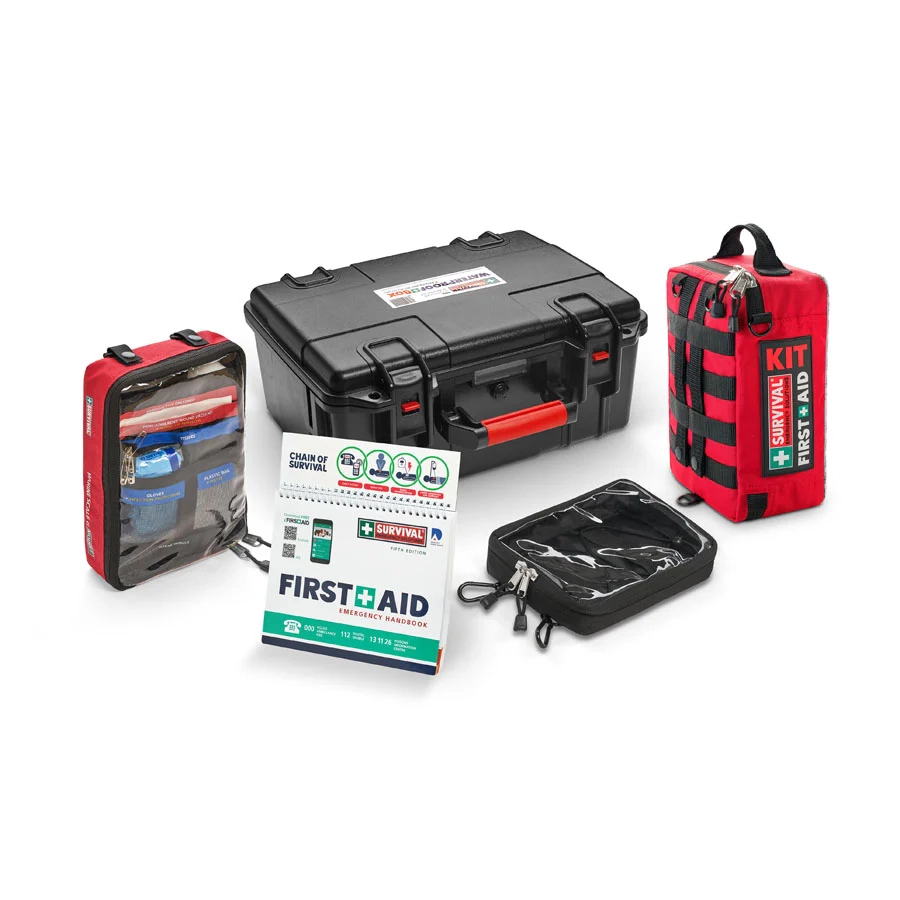
A 142-item marine first aid kit built around the Australian Scale G requirement, with a workplace kit, a Scale G module and a handbook packed in a large waterproof box.
Explore →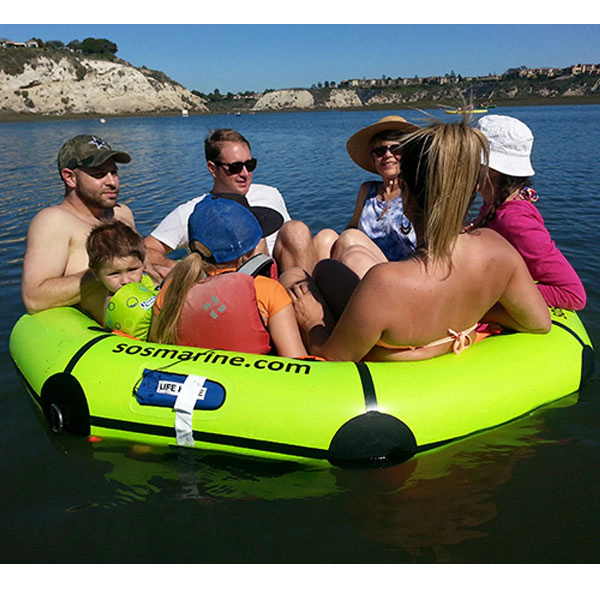
Compact four-person life raft in a valise for inshore and coastal use. It weighs 8.6 kg, packs to 520 x 340 x 170 mm and is serviced every two years.
Explore →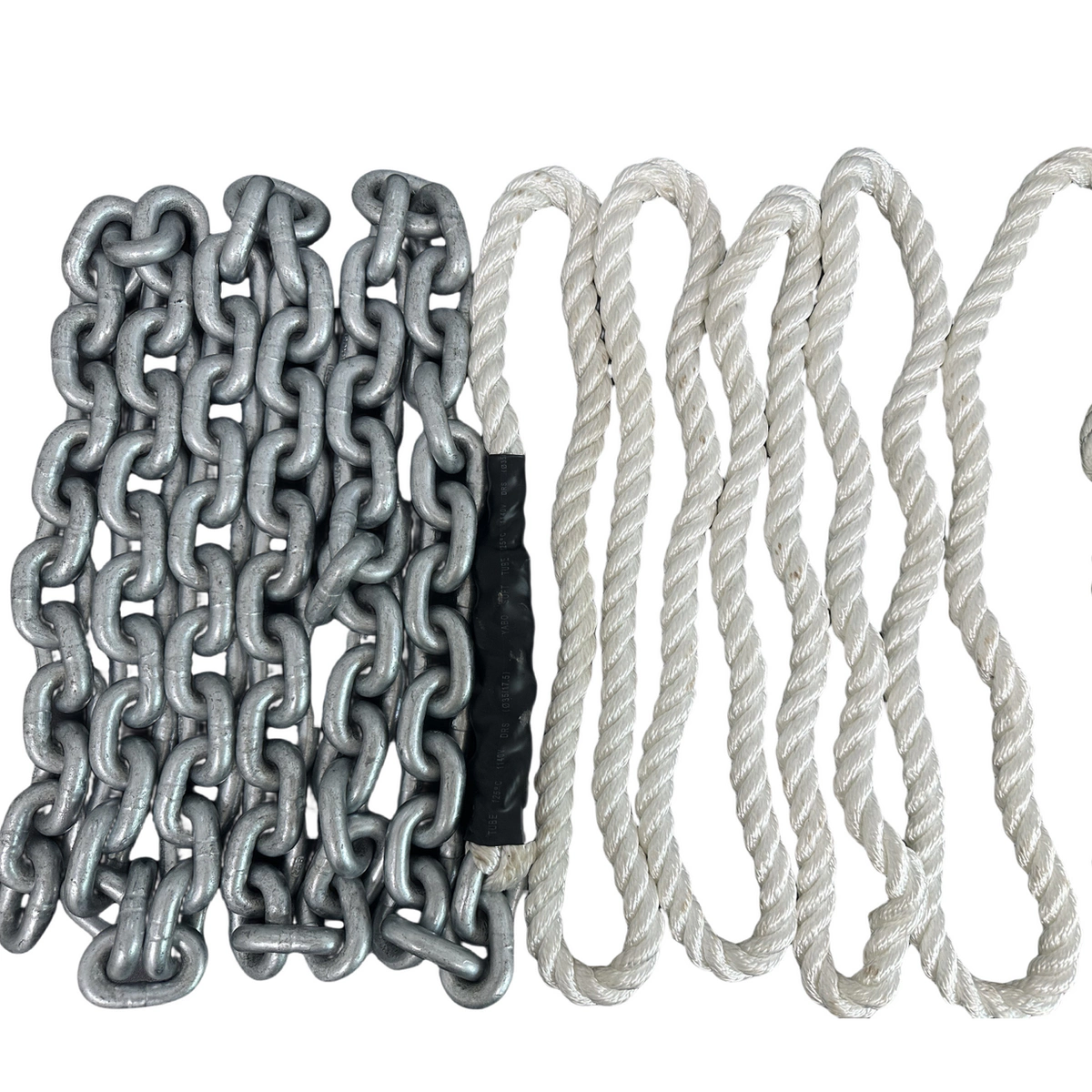
Ready-made anchor rode: three-strand nylon rope professionally spliced to hot-dip galvanised DIN 766 chain, for windlasses with a DIN 766 gypsy.
Explore →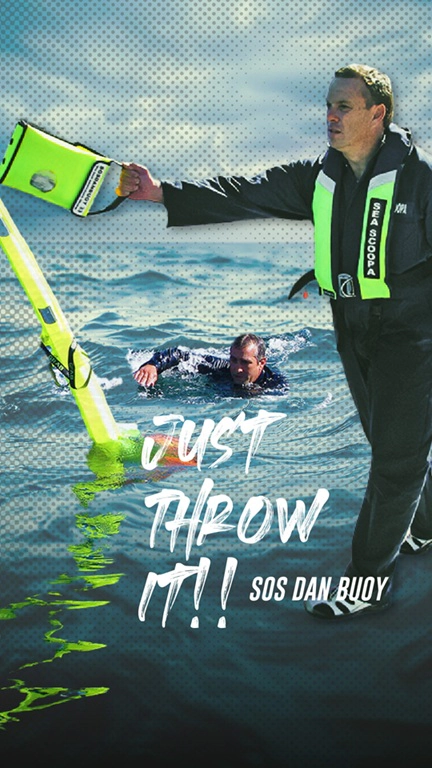
Inflatable man-overboard marker that self-inflates and self-rights when thrown, with a drogue, a SOLAS light and a 2.5 m high-visibility streamer, packed in a 4 kg carry bag.
Explore →