Loading this page…

Loading this page…
Marina service
About
Bundaberg Port Marina is a celebrated cruising gateway at Burnett Heads, with 180 berths, 24-hour diesel, customs clearance and a comprehensive boatyard.
Service area: Port Bundaberg (Burnett Heads), QLD
Keep exploring
Bundaberg Port Marina has earned a warm reputation among Australian and international cruisers as a welcoming first landfall and a highly capable coastal base. Located inside the protected Burnett River entrance at Burnett Heads, the marina offers 180 floating berths for vessels up to approximately 45 metres and an easy connection to Bundaberg’s shops, services and attractions.
Its position is ideal for exploring Lady Musgrave Island, the southern reef cays, the Burnett River and the Great Sandy Strait. Just as importantly, the marina combines a relaxed community atmosphere with the technical support needed for serious maintenance, seasonal storage and ocean-passage preparation.
Floating berths include shore power, potable water and Wi-Fi, with casual, permanent and liveaboard arrangements available. A self-service diesel dock operates around the clock, while premium unleaded is available by arrangement. As an official Port of Entry, the marina supports Border Force and biosecurity clearance for international arrivals.
The adjoining boatyard features a 75-tonne travel lift, concrete hardstand and extensive dry-storage capacity. Shipwrights, diesel mechanics, engineers, sailmakers, surveyors and refinishing specialists work across the precinct, with facilities for antifouling, repairs and larger refit projects. Showers, laundry, LPG refills, ice, bait, chandlery, cafés, a restaurant and regular transport into Bundaberg make both short and extended stays remarkably convenient.
The trained Burnett River entrance is well marked and leads directly to the marina’s protected setting, making arrivals refreshingly straightforward. Burnett Heads provides everyday supplies, foreshore walks and a relaxed pub-and-café atmosphere, while Bundaberg’s supermarkets, workshops and visitor attractions are easily reached using the marina’s transport connections.
Lady Musgrave Island is the star offshore destination, while southbound boats can prepare here for K’gari and the Great Sandy Strait. From November to March, nearby Mon Repos offers one of Australia’s most memorable turtle-nesting experiences. The marina’s combination of deep-water access, capable trades and genuine cruiser hospitality makes it an excellent place to pause, reset and prepare for the next passage.
Satellite imagery at four heights, from the wider harbour to the berths.

Taking pets between Australian states and into marinas or national parks is governed by state and territory biosecurity/quarantine rules, local council and marina policies, and the management rules of parks. Requirements vary by jurisdiction and by the species of animal, so check the relevant state/territory biosecurity office, the park management agency and the marina operator before you travel.
Explore →
Write a one‑page plan with the who/what/when/where/how of your trip, keep a copy on board and leave the main copy with a responsible person ashore (and optionally with your club, marina office or local volunteer rescue service).
Explore →
Open the BOM marine forecast and warnings for your specific boating area, check recent observations and gusts, scan radar/lightning for developing cells, and match forecast timing to your planned afternoon so you can reef early or delay if a shift, gusty change or thunderstorm is likely.
Explore →
Use a sensible scope (line length), pick good ground, set the anchor with a controlled reverse to load it, and check you’re not dragging by noting fixed references and using a stern line or anchor alarm if needed.
Explore →A practical guide to selecting and using anchorages around New South Wales for cruising sailors. Covers sheltered bays, tidal considerations, holding, approach planning, and example anchorages with local conditions to check before you go.
Explore →Practical guidance for recreational sailors planning to cross coastal bars in New South Wales. Explains how to assess conditions, plan a crossing, prepare equipment and crew, recognise hazards and manage emergencies, with checklists and realistic examples relevant to NSW waters.
Explore →A concise, practical introduction to the essential parts of a recreational sailing boat for beginners in Australia. Covers hull, deck, rigging, sails, steering, below-decks spaces and safety equipment, with simple explanations, common mistakes and a pre-sail checklist to help new sailors communicate and get underway.
Explore →A practical guide to preparing, planning and executing a recreational offshore passage along the New South Wales coast. Covers route selection, weather and tidal considerations, vessel and crew checks, safety equipment, communication, watchkeeping and common mistakes, with clear pre‑departure and underway checklists.
Explore →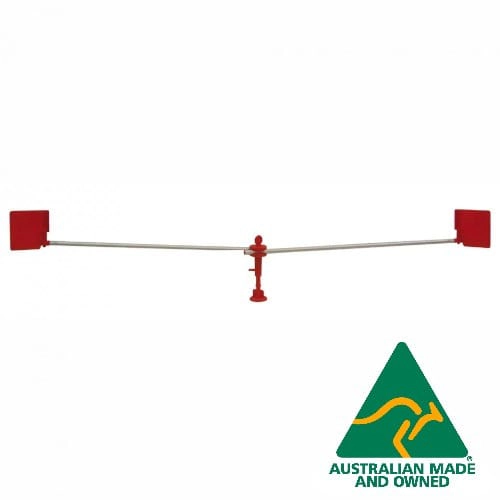
Wind-driven bird repeller with 2 metre rotating arms that keeps birds from roosting on hardtops, biminis, booms and decks. UV stabilised, with a bayonet base and a 12 month warranty.
Explore →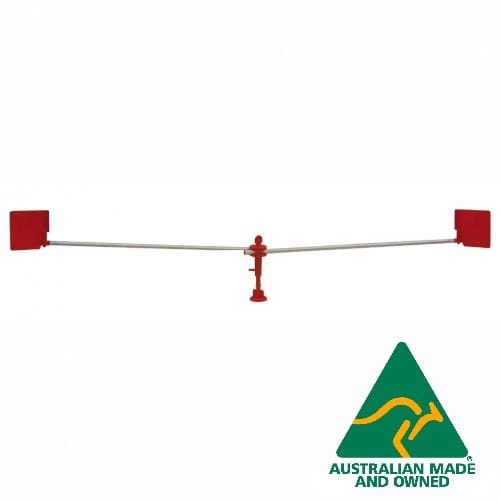
Wind-driven bird repeller with 1 metre rotating arms for smaller areas such as a boom, a solar panel or a small bimini. UV stabilised, with a bayonet base and a 12 month warranty.
Explore →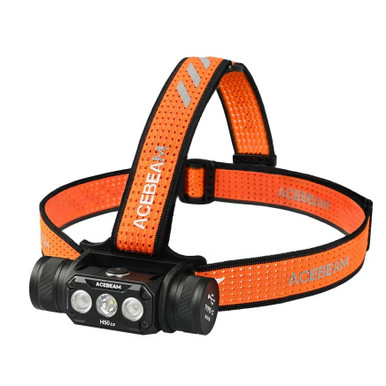
A 2000 lumen headlamp with spot and flood beams, rated IP68 and submersible to 2 metres, with a 141 metre beam and up to 30 hours on low.
Explore →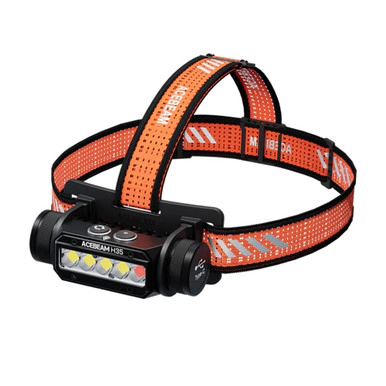
A 2600 lumen wide-beam headlamp with a red light, rated IP68 and submersible to 2 metres, with a 170 metre beam and USB-C charging.
Explore →