Loading this page…

Loading this page…
Sailing academy / training
About
Australia's long-running Sydney Harbour school, offering Australian Sailing and RYA pathways, liveaboards, racing, safety and online theory from beginner to Yachtmaster.
Service area: Sydney Harbour (Rushcutters Bay) and Pittwater
Pacific Sailing School has taught on Sydney Harbour since 1977, and that depth of experience shows in the sheer range of ways students can begin and progress. More than 85,000 people have learned through the school.
Responsive J/24s build feel and teamwork close to shore; cruising monohulls and catamarans open the door to liveaboards, coastal passages and internationally recognised RYA qualifications.
Keep exploring
An easy first outing for anyone who wants to try sailing on Sydney Harbour.
The Australian Sailing keelboat pathway from useful crew to capable day skipper.
A liveaboard introduction to cruising-yacht seamanship on monohulls or catamarans.
Online and virtual navigation learning paired with a five-day liveaboard practical course.
Advanced chartwork, meteorology and passage planning for coastal and offshore ambitions.
Five days of advanced skippering, including day and night coastal passages.
Focused coaching for experienced candidates approaching an independent RYA examination.
Develop fast sail handling, teamwork and racecraft, then put it into practice in harbour series.
Online theory plus practical pool and flare drills for offshore readiness.
Specialist short courses that complete a modern skipper's practical toolkit.
Whether the dream is a first twilight race or Yachtmaster, Pacific offers a rare combination of heritage, breadth and a clear route forward.
Hobart, Tasmania’s capital, sits on the Derwent River below kunanyi / Mount Wellington. It is the finish of the Sydney Hobart race and the base for cruising the D’Entrecasteaux Channel, Storm Bay and the south-east coast.

Plan to transit Sydney Heads and northern NSW estuary entrances to take advantage of favourable tidal streams or slack water; account for local acceleration over shoals, eddies, wind-on-current effects and river discharge, and always check the latest local observations and tide/stream products before departure.
Explore →
Expect the usual IALA-B lateral system (red and green), cardinal and isolated-danger marks, safe-water and special marks, plus harbour-specific fairway buoys, leading/transit marks and exclusion or speed‑limit buoys. Check local harbour charts and Notices to Mariners for exact positions and light characteristics before entry.
Explore →
Legal requirements can change — check Transport for NSW for the current rules. As a practical baseline for coastal day sailing from NSW shores: keep the right number and type of lifejackets for everyone, have a means of calling for help, show navigation lights if you’ll be out after dusk, and carry basic items to manage a man‑overboard or abandon‑ship situation. Add anchor, bilge/bailer, sun/protection and basic repair kit as recommended items.
Explore →
Plan as a chain of conservative daily legs tied to your boat’s real-world fuel and speed in the expected sea state, with confirmed primary and alternate anchorages/berths, fuel legs and back-up fuel options, and a documented emergency/diversion plan (comms, tow and med-evac). Build tidal and weather gates into each leg and carry chart and comms redundancy.
Explore →
A practical, Australia-focused guide for planning and sailing around the Whitsunday Islands: weather and seasons, navigation and anchoring, moorings and parks, provisioning and charters, safety and common mistakes, plus checklists and next steps.
Explore →A practical guide for recreational sailors planning day sails or short cruises around Batemans Bay, Broulee and the Clyde River. Covers local conditions, safe approaches, anchorages, launching, tides, common hazards, and checklists for trip planning and on-water decisions.
Explore →
A practical guide for new sailors on picking the right Australian sailing club: training, boat access, racing, social fit, costs and the key questions to ask before joining.
Explore →A practical, step‑by‑step guide for recreational sailors on Sydney Harbour covering navigation, local weather and tides, safe anchoring, berthing, common routes, rules of the road, and useful checklists tailored to Australian conditions.
Explore →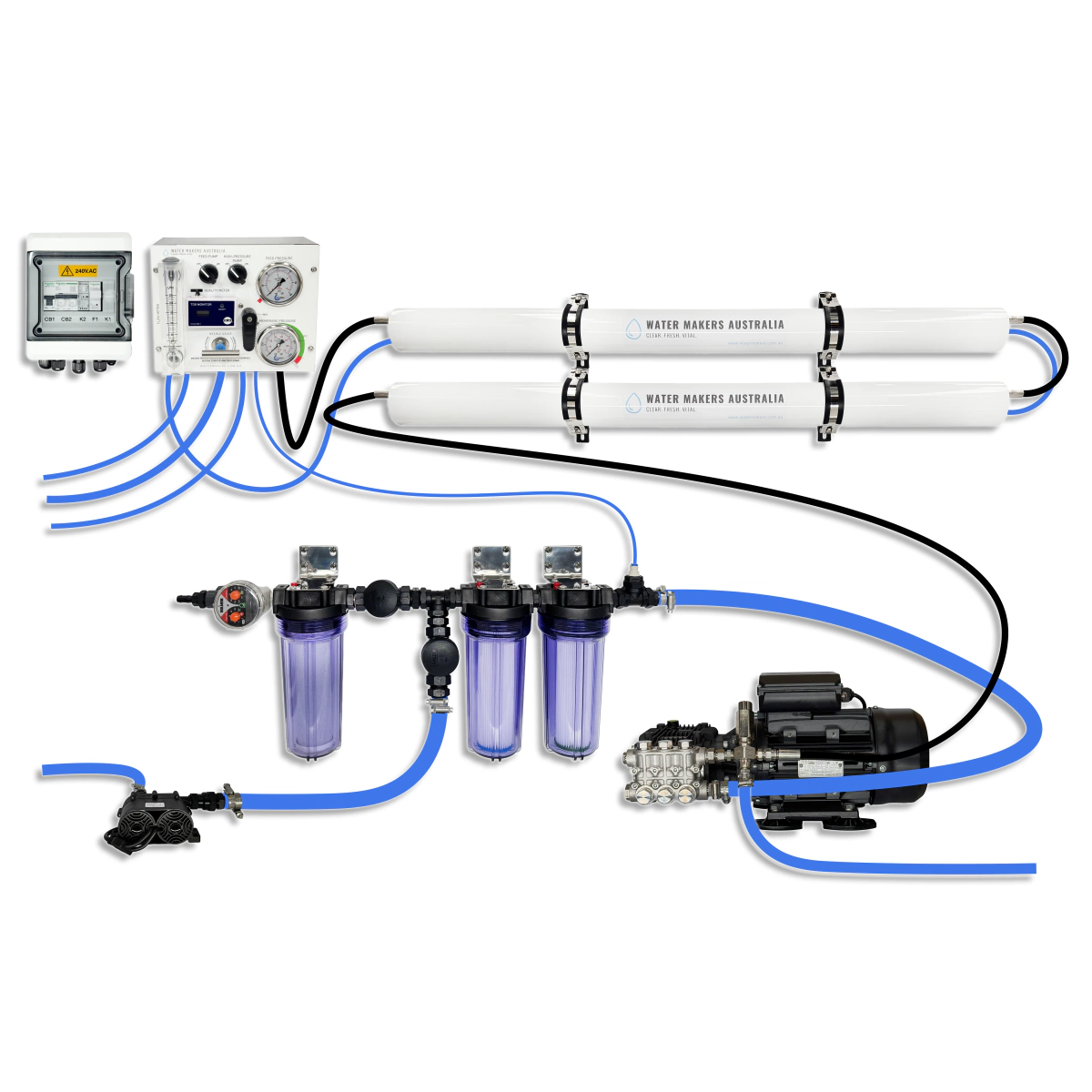
Twin-membrane 240 V reverse-osmosis watermaker producing a nominal 140 L/h, built to order in Sydney for family cruising on boats of about 11 to 18 m.
Explore →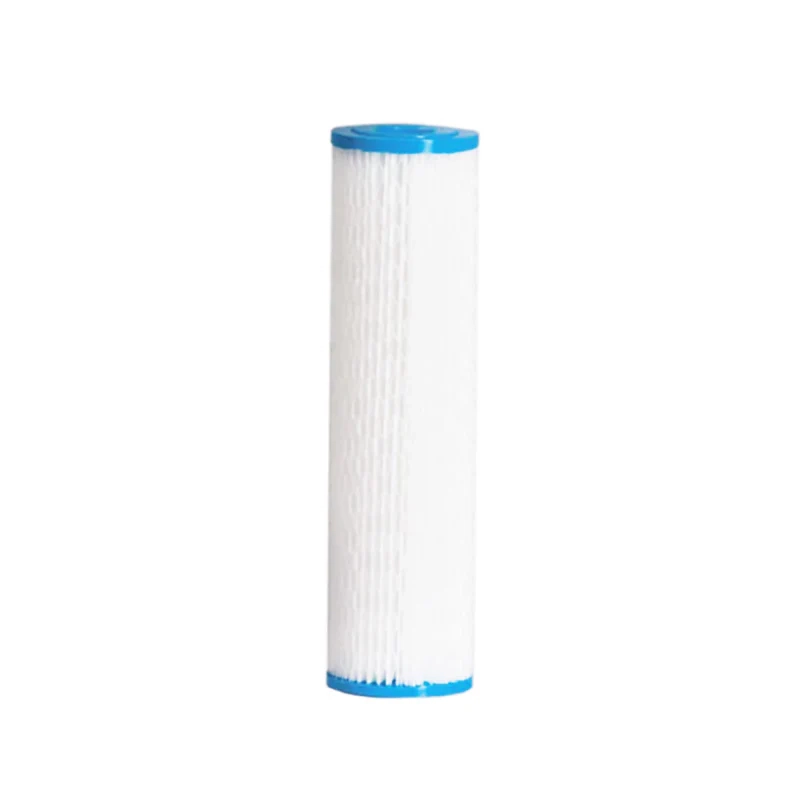
Standard 10 x 2.5 inch pleated poly cartridge rated at 5 micron. It is the second-stage pre-filter that removes fine sediment before the high-pressure pump, and it can be rinsed and reused.
Explore →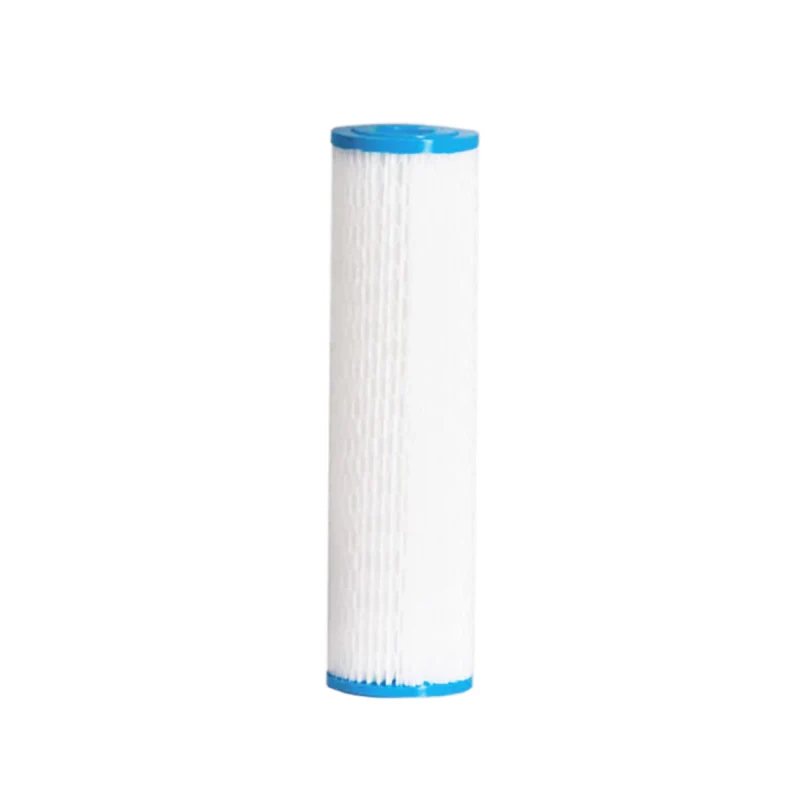
Standard 10 x 2.5 inch pleated poly cartridge rated at 20 micron. It is the first-stage pre-filter that removes larger sediment before the high-pressure pump, and it can be rinsed and reused.
Explore →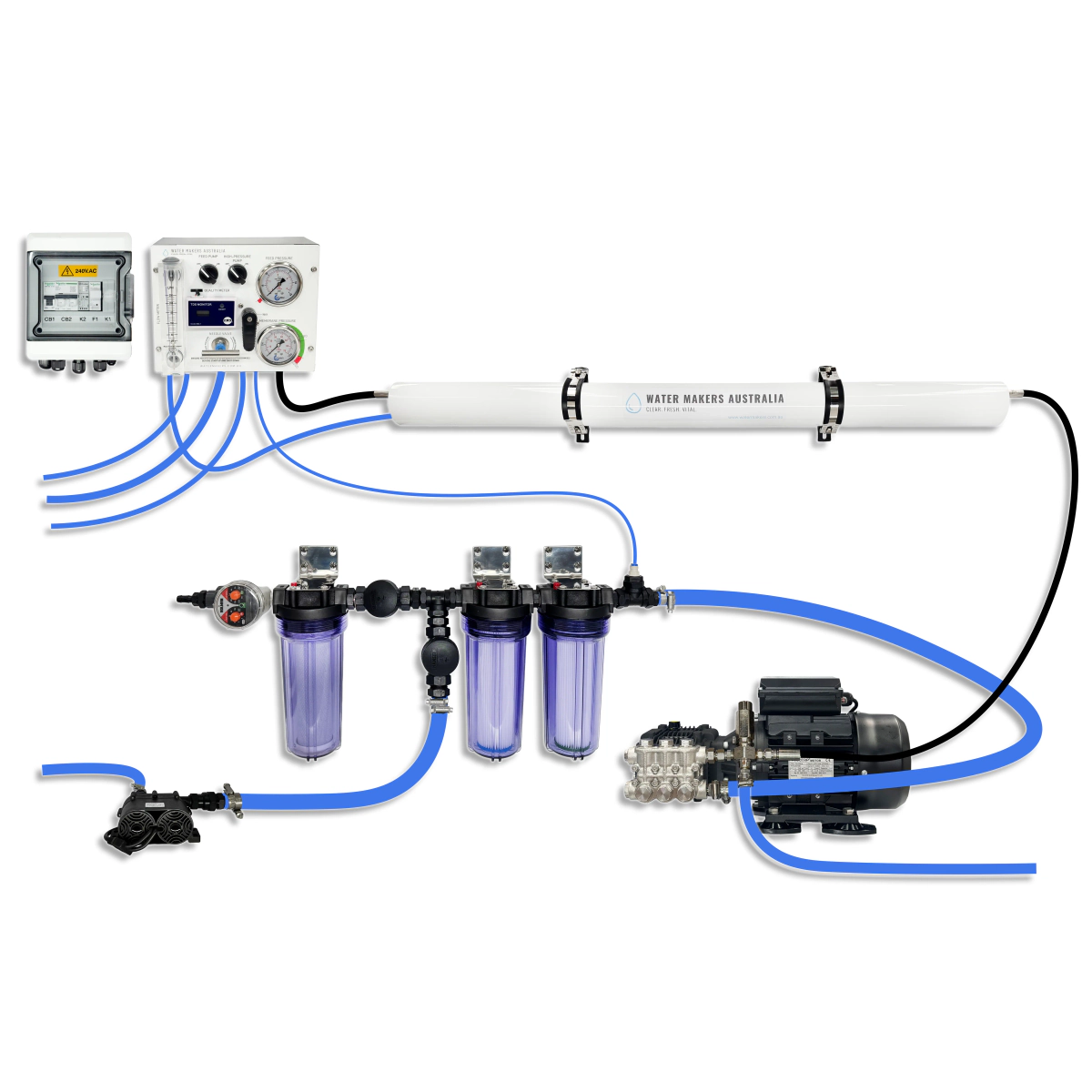
Single-membrane reverse-osmosis watermaker with a 1.1 kW motor, producing a nominal 60 L/h from a 2 kVA inverter or small generator, for cruising couples on boats of about 9 to 14 m.
Explore →